
Amit Shah assures indigenous groups of steps to frame rules for Arunachal Freedom of Religion Act
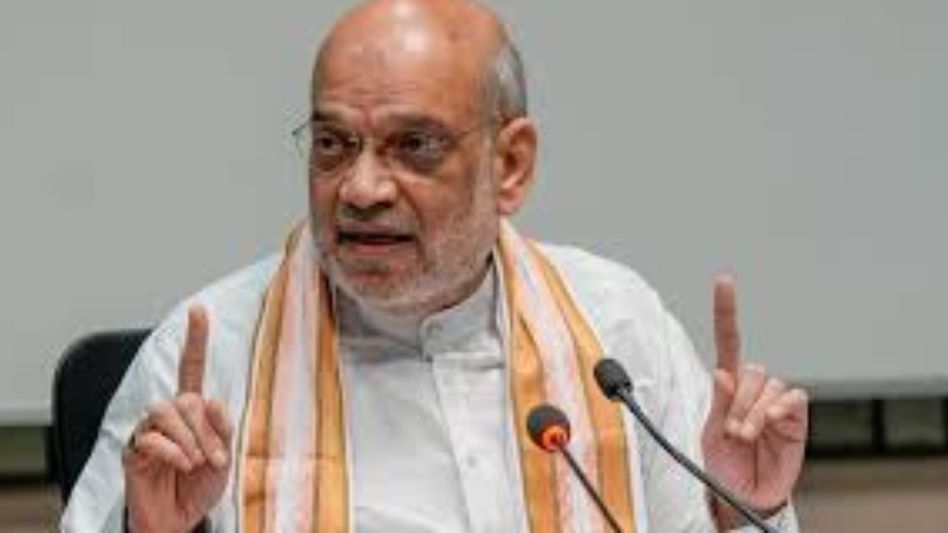
Union Home Minister Amit Shah on December 22 assured a delegation representing indigenous groups of Arunachal Pradesh that necessary steps would be taken to frame the long-pending rules for the Arunachal Pradesh Freedom of Religion Act, 1978, raising hopes for the effective implementation of the legislation.

- Dec 22, 2025,
- Updated Dec 22, 2025, 10:38 PM IST

Union Home Minister Amit Shah on December 22 assured a delegation representing indigenous groups of Arunachal Pradesh that necessary steps would be taken to frame the long-pending rules for the Arunachal Pradesh Freedom of Religion Act, 1978, raising hopes for the effective implementation of the legislation.
The assurance was given when a delegation of the Indigenous Faith and Cultural Society of Arunachal Pradesh (IFCSAP), led by its president Emi Rumi, met the Home Minister at his official residence in New Delhi. During the meeting, the delegation highlighted the urgent need to operationalise the Act, stressing that the absence of notified rules for decades had rendered the law largely ineffective.
The IFCSAP sought Shah’s direct intervention to expedite the framing of the rules, stating that the delay had weakened safeguards meant to protect indigenous faiths, cultures and traditions in the state. In a statement issued later, the organisation described the Home Minister’s assurance as a significant and positive development for indigenous communities in Arunachal Pradesh.
Expressing gratitude to Shah, the IFCSAP said the proposed move would strengthen the protection of traditional belief systems and cultural practices in the northeastern state, which has long witnessed concerns over alleged forced or induced religious conversions.
The Arunachal Pradesh Freedom of Religion Act was enacted in 1978 during the tenure of former chief minister P K Thungon with the objective of curbing religious conversions carried out through force, inducement or fraudulent means. The Act provides for penalties, including imprisonment of up to two years and a fine of up to Rs 10,000 for violations.
However, despite being on the statute books for more than four decades, the Act has remained largely non-operational due to the absence of notified rules, prompting repeated demands from indigenous groups for its implementation. Shah’s assurance has now raised expectations that the long-standing issue may finally see resolution.
MORE NEWS












Copyright©2025 Living Media India Limited. For reprint rights: Syndications Today
