Arunachal Dy CM Chowna Mein calls for development that safeguards biodiversity and indigenous heritage
At Van Mahotsav in Itanagar, Chowna Mein urged a development path that protects Arunachal Pradesh's biodiversity and heritage. He said stronger conservation, sapling survival and nature-based livelihoods are vital as climate risks and wildlife decline grow.
 Photo: X/@ChownaMeinBJP
- Jul 07, 2026,
- Updated Jul 07, 2026, 8:41 AM IST

- He said biodiversity, culture and development must be preserved together
- Arunachal spans ecosystems from tropical forests to vast alpine regions
- Researchers are still finding new plants, insects, fish and wildlife
Arunachal Pradesh Deputy Chief Minister Chowna Mein on Monday, July 6, called for a development model that balances economic progress with environmental sustainability, urging people to protect the state's rich biodiversity, indigenous knowledge and cultural heritage.
Addressing the Van Mahotsav celebrations in Itanagar, Mein said biodiversity, cultural diversity and sustainable development are deeply interconnected and must be preserved together. He stressed that true progress lies in embracing modernity without losing traditional values, noting that indigenous communities in Arunachal Pradesh have lived in harmony with nature for generations through their customs and practices.
Highlighting the importance of afforestation, the deputy chief minister said the success of tree plantation campaigns should be measured not by the number of saplings planted but by the number that survive. Expressing concern over the high mortality of saplings planted along roadsides and in public institutions, he urged schools, government departments, community organisations and citizens to take collective responsibility for nurturing every tree.
Mein said Arunachal Pradesh forms part of one of the world's 12 biodiversity hotspots and hosts ecosystems ranging from tropical evergreen forests to alpine regions. He noted that researchers continue to discover new species of plants, insects, amphibians, fish and wildlife in the state, underlining its global ecological significance.
Calling for stronger conservation efforts, he emphasised the need to protect rare and endangered plant species and encouraged taxonomy and ethnobotanical research to document and conserve the region's unique biodiversity. He also urged students and researchers to contribute actively to scientific research and conservation initiatives.
The deputy chief minister said environmental conservation and sustainable development must go hand in hand, adding that protecting forests, rivers and watersheds strengthens biodiversity, improves water security, supports rural livelihoods and promotes long-term ecological resilience.
Raising concern over indiscriminate hunting and the declining population of birds and wildlife, Mein appealed to communities to promote responsible eco-tourism, birdwatching, trekking and other nature-based activities that generate sustainable livelihoods while protecting the environment.
Referring to climate change, global warming, floods, landslides and soil erosion, he said these challenges highlight the urgent need to maintain ecological balance. "Development must always be planned with environmental sustainability at its core," he said.
Mein also praised Prime Minister Narendra Modi's vision of the Northeast as "Ashtalakshmi", saying the goal of a developed India can only be achieved through the inclusive growth of the region while preserving its biodiversity and cultural heritage.
During the programme, Mein was presented with Ophiorrhiza chownaii, a newly described plant species named in his honour in recognition of his contributions to environmental conservation, biodiversity protection and sustainable development. Accepting the recognition, he dedicated the honour to the people of Arunachal Pradesh and reaffirmed his commitment to safeguarding the state's natural heritage.
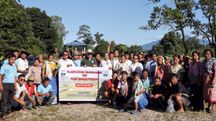
The event was organised by the Botanical Survey of India's regional centre in collaboration with the G. B. Pant National Institute of Himalayan Environment and began with a plantation drive involving scientists, researchers, NCC cadets, students and government officials.