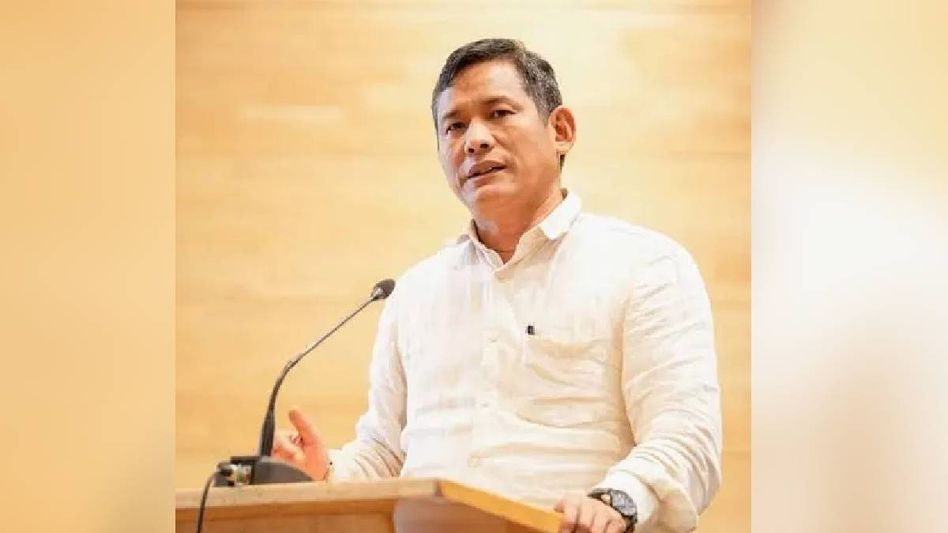
Arunachal Minister Ojing Tasing says state cannot compromise on national security over Siang project
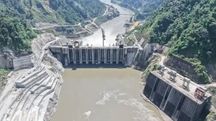
The stalemate over the proposed 11,000-MW Siang Upper Multipurpose Project in Arunachal Pradesh continued on Sunday, October 4 with state minister Ojing Tasing asserting that the state government cannot compromise on matters concerning national security and claiming that more than 80 per cent of people in villages likely to be affected by the project support its implementation.

- Oct 05, 2026,
- Updated Oct 05, 2026, 8:30 AM IST

The stalemate over the proposed 11,000-MW Siang Upper Multipurpose Project in Arunachal Pradesh continued on Sunday, October 4 with state minister Ojing Tasing asserting that the state government cannot compromise on matters concerning national security and claiming that more than 80 per cent of people in villages likely to be affected by the project support its implementation.
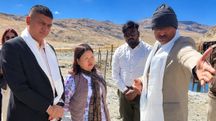
Tasing, who represents the Pangin Assembly constituency in Siang district, said the proposed project was significant not only for power generation but also for border security and flood moderation, particularly against the backdrop of infrastructure being developed by China upstream.
"National security is a central subject, and the state government has no say in such matters. The state cannot compromise on issues concerning national security," Tasing said.
The minister appealed to local residents not to obstruct government-backed development initiatives and said peace and maintenance of law and order were essential for the region's development.
The Siang belt, largely inhabited by the indigenous Adi community, has witnessed sustained opposition to the proposed project, which is planned to be executed by NHPC Limited. Several indigenous organisations have raised concerns over its potential environmental and social impact.
The Siang Indigenous Farmers' Forum (SIFF) and other protest groups have cited concerns over ecological disruption, seismic risks and the possible displacement of more than 25 village settlements, besides the loss of agricultural land in the Siang valley.
Siang Deputy Commissioner Tayi Taggu also appealed to residents to cooperate with the government on development initiatives while seeking to address concerns over the project's possible impact on settlements in the district.
Taggu said the project was expected to have minimal physical impact on village settlements in Siang district, although some areas, including Geku and Yingkiong in Upper Siang district, could be affected.
According to the deputy commissioner, structures likely to be affected in areas such as Parong and Sitang accounted for around 10 to 15 per cent. He said most of these were commercial establishments or temporary business structures rather than ancestral residential houses.
Taggu also said the opposition to the project did not represent the broader democratic majority in the region. He claimed that more than 90 per cent of residents in villages including Parong, Riga, Riew, Pangkang (Kumku), Jorkong and Sitang were in favour of the project, and that memoranda of understanding had already been signed for pre-feasibility activities.
The deputy commissioner said claims of widespread public opposition to the project did not reflect the situation on the ground.
The proposed project has remained a contentious issue in Siang amid competing concerns over development, environmental risks, land and community interests, as well as strategic considerations linked to the region's proximity to the international border.
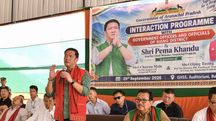
The state government's position comes days after Chief Minister Pema Khandu said on September 29 that the project would not be taken forward if experts determined it to be technically unviable after completion of the Preliminary Feasibility Report.
The proposed Siang Upper Multipurpose Project is envisaged as a major hydropower and multipurpose infrastructure project in Arunachal Pradesh. Its future remains subject to technical assessments amid continued opposition from sections of the local population and indigenous groups.