Arunachal Pradesh records new species of flowering plant
Arunachal Pradesh Chief Minister Pema Khandu acknowledged the discovery in a social media post, congratulating the research teams and calling it “a proud addition to Arunachal’s biodiversity legacy”.

- Jan 23, 2026,
- Updated Jan 23, 2026, 1:00 PM IST

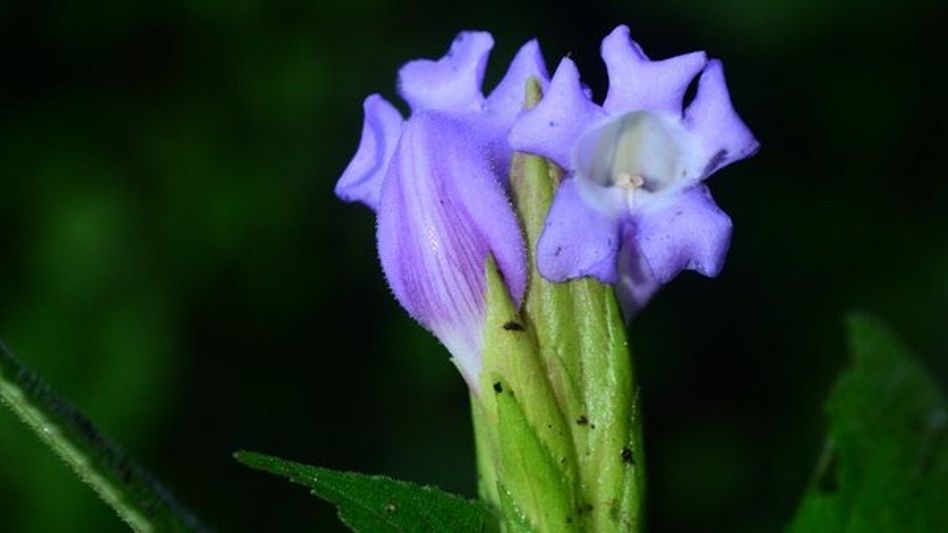
A new flowering plant species has been formally recorded from Arunachal Pradesh, adding to the Himalayan state’s growing biodiversity inventory and underlining the importance of continued botanical exploration in the region.
The species, Strobilanthes riteshii (family Acanthaceae), was discovered during recent floristic surveys at Chayangtajo in East Kameng district. The finding was made by researchers from the Botanical Survey of India Arunachal Pradesh Regional Centre, in collaboration with the Agharkar Research Institute, Pune.
Arunachal Pradesh Chief Minister Pema Khandu acknowledged the discovery in a social media post, congratulating the research teams and calling it “a proud addition to Arunachal’s biodiversity legacy”.
According to the researchers, the plant is currently known only from its type locality at an elevation of around 1,600 metres. It grows along roadsides on open hill slopes, often near small waterfalls and streams within evergreen forest patches. Flowering has been observed between August and October, while fruiting occurs from September to December.
The species has been named Strobilanthes riteshii in honour of Dr Ritesh Kumar Choudhary, an Indian plant taxonomist at the Agharkar Research Institute, recognising his contributions to plant taxonomy and molecular systematics.
Scientists say the discovery is significant as it strengthens floristic documentation from a region known for high endemism, but still limited scientific coverage.
Based on current information, the species has been provisionally assessed as Data Deficient under the IUCN Red List criteria, indicating that more field data is required to understand its population status and threats.
The full-length research paper, detailing the plant’s morphology, phylogenetic analysis and photographic documentation, has been published in the Indian Journal of Forestry.