Arunachal rights panel demands better roads, flood control in Chakma-Hajong settlement areas
The Arunachal Pradesh State Human Rights Commission (APSHRC) has recommended urgent measures to improve road connectivity and implement flood-control projects in Chakma and Hajong refugee settlement areas of Changlang district, stating that such steps are essential for both humanitarian welfare and the protection of the state's demographic interests.

- Jun 22, 2026,
- Updated Jun 22, 2026, 6:55 PM IST

The Arunachal Pradesh State Human Rights Commission (APSHRC) has recommended urgent measures to improve road connectivity and implement flood-control projects in Chakma and Hajong refugee settlement areas of Changlang district, stating that such steps are essential for both humanitarian welfare and the protection of the state's demographic interests.
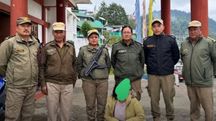
In a letter addressed to Chief Minister Pema Khandu, APSHRC Acting Chairperson Bamang Tago highlighted the findings of a field visit conducted to Chakma and Hajong settlements in Diyun and Bordumsa circles on June 12 and 13. The Commission identified poor road infrastructure and recurring floods caused by the Dihing River as two major challenges requiring immediate intervention.
According to the Commission, inadequate road connectivity continues to hamper economic growth and development in the region despite its increasing commercial importance. It noted that the nearly 33-kilometre stretch between Namsai and Diyun takes more than an hour to traverse due to poor road conditions, affecting trade, transportation and public mobility.
The APSHRC observed that improved road infrastructure would not only boost economic activities in Changlang and Namsai districts but also enhance strategic preparedness and security operations. It pointed out that Diyun hosts the headquarters of the 2nd Arunachal Pradesh India Reserve Battalion, making better connectivity crucial for the rapid movement of security personnel during emergencies and law-and-order situations.
The Commission also highlighted the economic significance of the region's areca nut industry, noting claims that Diyun Circle alone generates an annual areca nut trade worth around Rs 50 crore. Improved infrastructure, it said, could further expand economic opportunities for all communities residing in the area.
Expressing concern over recurring floods, the rights panel stated that annual inundation and riverbank erosion caused by the Dihing River continue to damage agricultural land and crops in Chakma and Hajong settlement areas. The Commission observed that displacement resulting from floods has historically created pressure for expansion beyond designated settlement zones.
It maintained that effective flood-control measures in Changlang and Namsai districts, particularly in Chakma and Hajong settlements, would help ensure that refugee communities remain within their notified settlement areas while addressing concerns of indigenous communities regarding demographic changes.
Among its key recommendations, the APSHRC urged the state government to expedite ongoing road projects connecting Namsai-Diyun and Diyun-Miao, ensure comprehensive PMGSY coverage in settlement areas of Diyun and Bordumsa circles, and consider including these routes under the proposed East-West Industrial Corridor for double-lane road development.
The Commission also recommended undertaking flood-control works in vulnerable settlement areas with support from the North Eastern Council and the Central Government, if necessary, to safeguard lives, livelihoods and property.
The recommendations come amid continuing debates in Arunachal Pradesh over demographic protection, indigenous rights and settlement regulation. The APSHRC stressed that a balanced approach is required to address humanitarian and developmental concerns while safeguarding the demographic and cultural interests of the state's indigenous communities.