
Arunachal: West Kameng DC leads high-level meet to resolve water crisis in defence areas
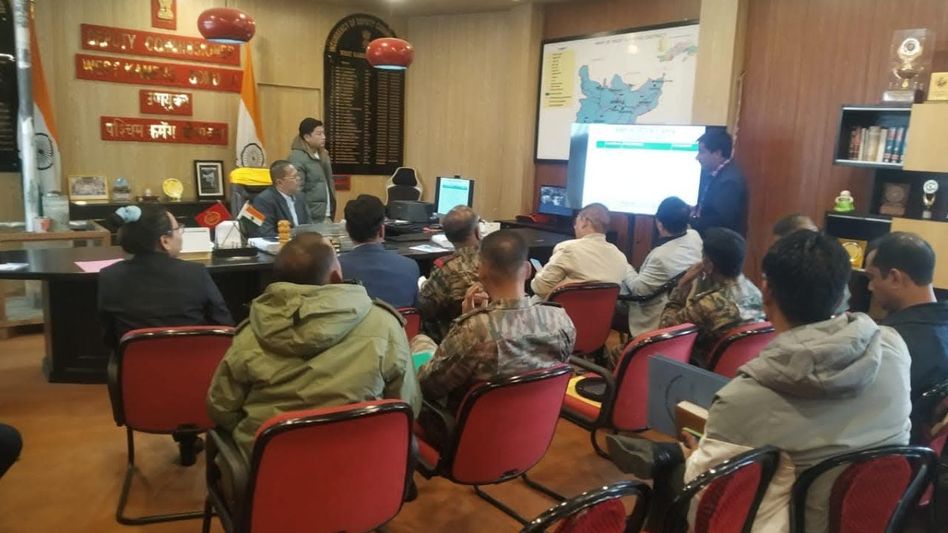
Deputy Commissioner of Arunachal's West Kameng district, chaired a high-level coordination meeting to deliberate on persistent water supply challenges affecting defence establishments in Tenga, Dahung, Bomdila, and Rupa.

- Apr 01, 2026,
- Updated Apr 01, 2026, 6:06 PM IST

- Deputy Commissioner chaired meeting on water supply challenges in West Kameng
- MES proposed upstream tapping point to improve Tenga water discharge
- Temporary tapping from Tenga River approved pending necessary clearances
Deputy Commissioner of Arunachal's West Kameng district, chaired a high-level coordination meeting to deliberate on persistent water supply challenges affecting defence establishments in Tenga, Dahung, Bomdila, and Rupa.
The meeting brought together representatives from the Military Engineering Services (MES), administrative officials, the Public Health Engineering & Water Supply Department, Panchayati Raj Institution (PRI) leaders, and other stakeholders.
In Tenga, the MES proposed shifting the tapping point to an upstream location to ensure adequate water discharge and sought access to the existing PHE headworks. The Deputy Commissioner underscored that all interventions must be undertaken in consultation with the nodal agency, local administration, and community stakeholders.
As an interim measure, temporary tapping from the Tenga River was agreed upon, subject to necessary approvals. Officials also informed that the PHE & WS Department has submitted a proposal worth ₹60 crore to supply 2.48 MLD of water to Tenga, which the MES has agreed to pursue for early sanction.
In Dahung, discussions focused on the construction of a check dam. It was decided that the tapping unit would be built with due approval of the PHE & WS Department, which will execute the project upon receipt of a formal requisition from the MES.
In Bomdila, the 2.00 MLD water demand submitted by the Garrison Engineer was deemed unrealistic under current conditions. Authorities were directed to submit a revised and feasible requirement.
The meeting also resolved to explore alternative solutions, including tapping water from the 6 Mile area, assessing aquifer-based sources, and developing a separate conveyance system from Banglaajap with a proposed water treatment plant at RR Hill. A joint survey will be conducted to assess these options.
In Rupa, it was observed that a pipeline had been laid by an Army unit without obtaining the required approvals from the local administration and the Thukpen Village Council. The meeting directed that such infrastructure must be dismantled and re-laid only after securing proper clearances.
The Army unit agreed to augment the existing water source from the Rupa River. Authorities reiterated that all water supply works in civilian areas must be executed through the designated state nodal agency.
The meeting concluded with a collective commitment to ensure seamless coordination among all stakeholders in addressing water supply issues in defence areas, while safeguarding the needs of the civilian population.
Officials reiterated that all projects within civilian jurisdictions must be implemented through the State’s nodal department to ensure regulatory compliance, transparency, and equitable resource distribution.
MORE NEWS









Copyright©2026 Living Media India Limited. For reprint rights: Syndications Today
