Arunachal’s Khagi spice brings Rs 39 lakh to 200 households while helping protect forests
Indigenous communities in Arunachal Pradesh's West Kameng have collectively harvested and marketed more than 10 tonnes of Khagi. The initiative has supported household incomes, conservation funding and protection of community-managed forests.

- Aug 18, 2026,
- Updated Aug 18, 2026, 8:39 AM IST

- More than 10 tonnes were sustainably harvested through collective community efforts
- Community Conserved Areas help indigenous groups manage forests alongside livelihood generation
- Better market linkages reduced reliance on local traders and unstable prices
A traditional Himalayan spice harvested by indigenous communities in Arunachal Pradesh’s West Kameng district has generated Rs 39 lakh in turnover for more than 200 households while supporting the protection of over 100 sq km of forest.
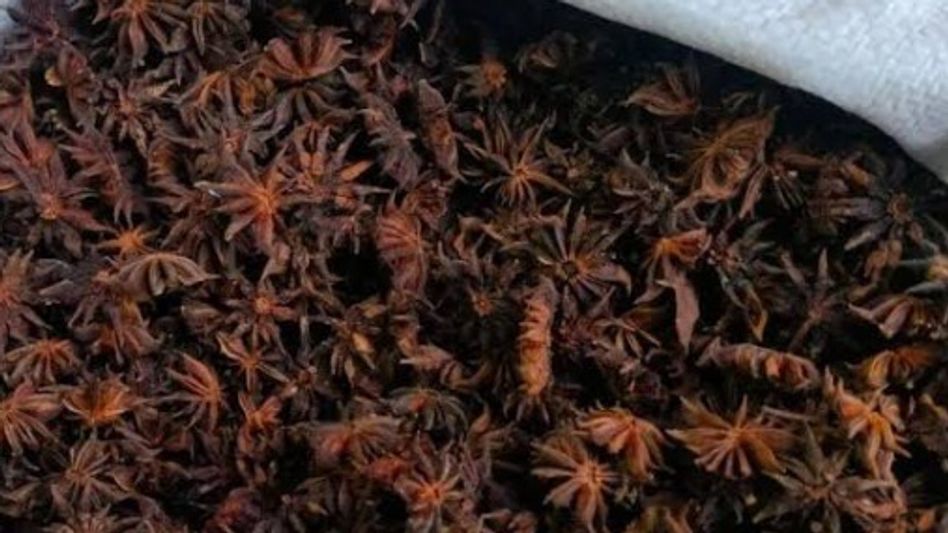
Known locally as Khagi, the spice is a species of Zanthoxylum, commonly associated with Sichuan pepper or Timur. Its dried fruits have traditionally been used as a spice and condiment, while the plant also has a place in local traditional practices.
Deputy Chief Minister Chowna Mein said more than 10 tonnes of Khagi had been sustainably harvested and marketed as communities organised collective harvesting, aggregation and marketing.
The initiative is centred around Community Conserved Areas in West Kameng, where indigenous communities collectively manage forest resources while developing livelihood opportunities.
Improved market linkages have enabled communities to sell the produce collectively, reducing their dependence on local traders and fluctuating prices. A portion of the income is also being used for conservation and community welfare.
Khagi is largely collected from the wild and is found particularly along forest edges and in open forests around agricultural areas. Researchers have highlighted its economic potential while stressing the need for sustainable management of the spice’s natural habitats.
Similar community-led forest produce initiatives in West Kameng have received support from organisations including WWF-India and have been linked with buyers such as Dabur India, Nahar Organics and NERAMAC.
Mein said the initiative demonstrated how indigenous knowledge and community-led enterprise could create livelihood opportunities while protecting forests.