
India-US trade pact to boost global competitiveness of Indian businesses, says Arunachal CM
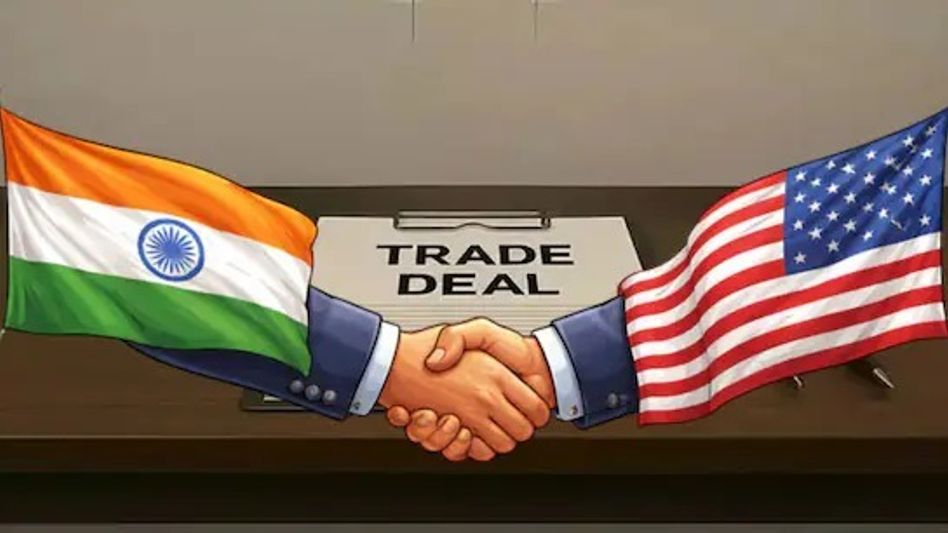
Arunachal Pradesh Chief Minister Pema Khandu highlights the potential of the India-US interim trade framework to enhance competitiveness of Indian businesses. The framework is expected to reduce compliance burdens, streamline export procedures, and benefit MSMEs. Alignment with global standards and lower consumer costs are anticipated outcomes.

- Feb 07, 2026,
- Updated Feb 07, 2026, 2:56 PM IST

- The trade framework aims to lower trade barriers for Indian exporters.
- It will reduce compliance burdens and streamline export procedures.
- The pact benefits MSMEs by easing global value chain integration.
Arunachal Pradesh Chief Minister Pema Khandu has emphasised the advantages of the India-US interim trade framework, stating that it will enhance the global competitiveness of Indian businesses. Speaking on February 7, Khandu pointed out that the pact is positioned to give Indian exporters a stronger foothold in world markets, particularly by addressing regulatory obstacles that have previously limited growth opportunities. The announcement reflects ongoing efforts to expand India's role in global trade and improve the ease of doing business for domestic enterprises.
Arunachal Pradesh Chief Minister Pema Khandu said the India-US interim trade framework will make Indian businesses more competitive in global markets. Khandu explained that the framework aims to lower trade barriers and create a more streamlined process for Indian exporters, allowing them to participate more effectively in international commerce.
He said the framework has the potential to reduce compliance burdens, streamline export procedures and bring down costs for consumers. According to Khandu, these reforms are set to simplify the export process, meaning businesses will spend less time and resources on paperwork and regulatory approvals.
He credited the initiative to the leadership of Prime Minister Narendra Modi. Khandu recognised the central government's role in advancing the agreement, attributing its progress to the Prime Minister's leadership and broader agenda for economic reform.
A major benefit highlighted is the elimination of repetitive testing and certifications for Indian exporters. By minimising duplicate procedures, businesses are expected to save time and reduce operational expenses. The simplified compliance environment is aimed at allowing goods to move more efficiently into the United States, which remains one of the largest markets for Indian products.
The pact is also expected to be particularly beneficial for micro, small, and medium-sized enterprises (MSMEs). By facilitating easier integration into global value chains, the framework is designed to provide MSMEs with improved opportunities to expand their international presence, supporting sectoral growth and employment.
Another significant aspect involves aligning Indian products with global standards. The harmonisation of regulations is anticipated to help Indian goods gain greater trust among international buyers, supporting the country's efforts to build a reputation for quality and reliability on the world stage.
Efficiency in trade processes, as envisaged under the framework, is likely to result in lower costs throughout the supply chain. These savings are expected to be passed on to consumers, making goods more affordable while enhancing the overall competitiveness of Indian industries within global markets.
MORE NEWS












Copyright©2026 Living Media India Limited. For reprint rights: Syndications Today
