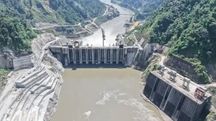
‘Power generation is secondary’: Arunachal Dy CM defends Siang project amid China dam concerns
Arunachal Pradesh Deputy Chief Minister Chowna Mein said the proposed Siang Upper Multipurpose Project is aimed chiefly at storing and regulating water, not generating power. He said the project should be assessed for its role in managing downstream flows and flood risks, even as local opposition and feasibility studies continue.

- Oct 05, 2026,
- Updated Oct 05, 2026, 12:48 PM IST

- Mein said the project is meant mainly for storing and regulating water
- He contrasted it with China's Medog project, focused chiefly on hydropower
- The proposed storage could moderate sudden upstream releases and downstream flooding
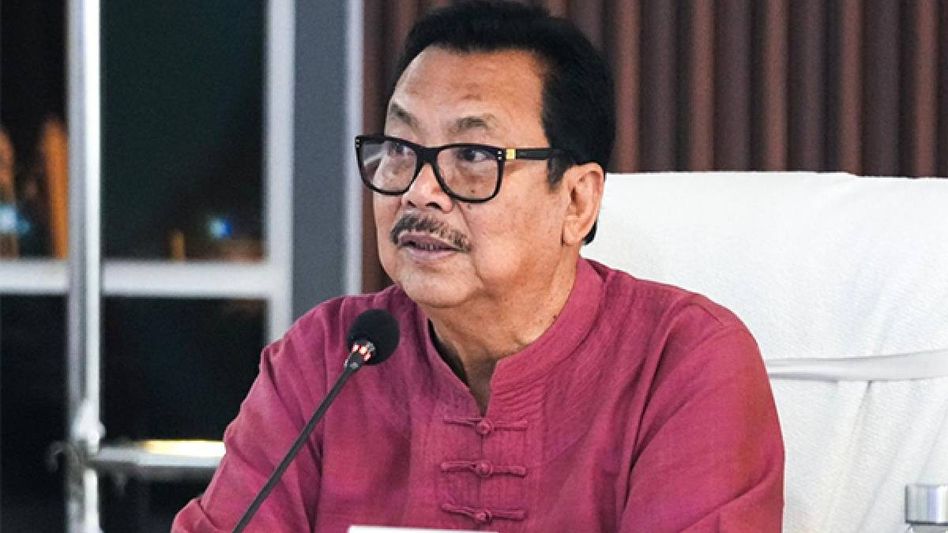
Arunachal Pradesh Deputy Chief Minister Chowna Mein has said the proposed 11,200 MW Siang Upper Multipurpose Project (SUMP) is primarily intended to store and regulate water in the Siang basin, rather than being driven by power generation alone.
Mein, who also holds the power and hydropower portfolios, made the remarks on October 5 while drawing a distinction between SUMP and China's proposed 60,000 MW Medog hydropower project on the upstream stretch of the Siang, known as the Yarlung Tsangpo in Tibet.
He said comparing the two projects solely on their power-generation capacities would overlook their different purposes.
According to Mein, China's Medog project is primarily designed for hydropower generation and is expected to have a head of around 2,000 metres and a storage capacity of 5.5 billion cubic metres.
SUMP, on the other hand, is proposed to have a 280-300 metre-high dam and around 9.2 billion cubic metres of live storage. Mein said its central objective would be water storage, regulation and management, with power generation being a secondary function.
The proposed storage capacity, he said, could help manage downstream flows in the event of sudden water releases or extreme flows from upstream.
"Such storage can help regulate downstream discharge and reduce the risk of flooding in the Siang basin and downstream areas of Arunachal Pradesh and Assam," Mein said.
The project has faced opposition from communities in the Siang region, with protesters demanding that ongoing Pre-Feasibility Report (PFR) activities and survey work be stopped immediately.
They have also called for the withdrawal of security personnel deployed in areas that could be affected by the proposed project.
The state government, however, has maintained that the project could contribute to economic and social development, create employment and self-employment opportunities for young people, and strengthen water and energy security.
Mein said SUMP should be viewed in the broader context of protecting the Siang basin and communities dependent on the river and its tributaries.
"The Siang Upper Multipurpose Project is actually intended to protect the Siang river basin and the people living along its tributaries," he said.
The proposed project, one of the largest hydropower projects planned in Arunachal Pradesh, envisages the construction of a large dam across the Siang river. It is proposed to be executed by the National Hydroelectric Power Corporation (NHPC).
Mein also stressed that no final decision has been taken on the construction of the project.
He said the ongoing PFR is only an initial assessment aimed at determining the project's technical feasibility and whether it can be developed safely. Several rounds of studies, consultations and statutory clearances would be required before any final decision on construction is taken.