Asian Openbill breeding colony draws conservation attention in Assam’s Tinsukia
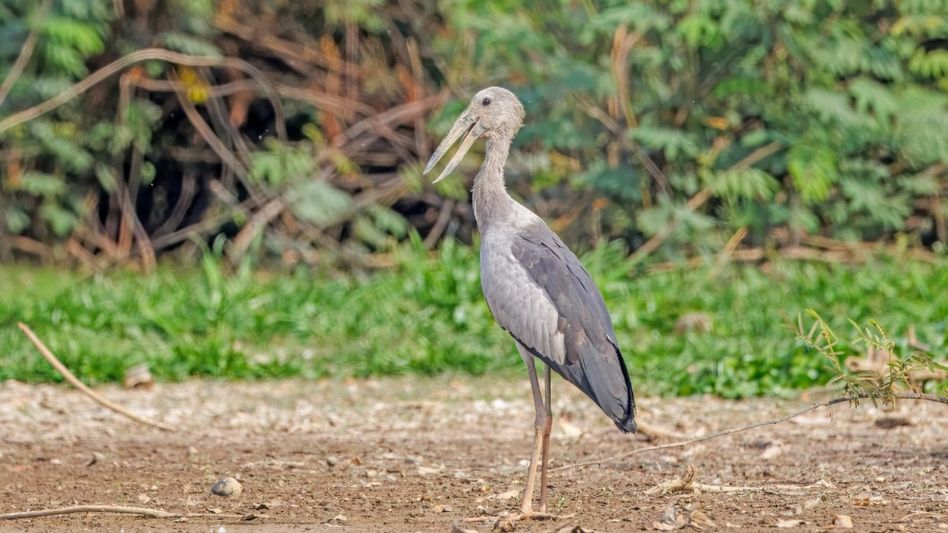
The discovery of a breeding colony of around 100 Asian Openbills at Sumoni Bandarkhati village in Assam’s Tinsukia district has prompted calls for immediate protection of the nesting site and the development of a community-led bird conservation initiative.

- Sep 08, 2026,
- Updated Sep 08, 2026, 10:29 AM IST

The discovery of a breeding colony of around 100 Asian Openbills at Sumoni Bandarkhati village in Assam’s Tinsukia district has prompted calls for immediate protection of the nesting site and the development of a community-led bird conservation initiative.
The birds have been reported breeding on a tree located within the village under the Kakopathar Range of the Doomdooma Forest Division. Wildlife conservationist Devajit Moran, who drew attention to the colony, said the site could provide an opportunity for local residents and the Forest Department to work together to protect a breeding population of waterbirds.
Moran said the immediate priority should be to minimise human disturbance around the nesting tree during the breeding season and ensure that residents are aware of the legal protection afforded to the birds.
“The first step should be to protect the tree where the birds are nesting. People living around the site need to know why the birds have gathered here and why they should not be disturbed. Awareness at the village level can make a major difference,” he said.
The Asian Openbill (Anastomus oscitans) is a stork species associated with wetlands and other freshwater habitats. It is recognised by the distinctive gap between its upper and lower mandibles and feeds predominantly on freshwater molluscs, particularly snails. The birds generally forage in wetlands while using tall trees for nesting.
Although the Asian Openbill is classified globally as Least Concern, individual breeding colonies can face local threats from habitat degradation, disturbance and the loss of mature nesting trees.
Moran said conservation measures should therefore go beyond protecting the tree currently being used by the colony. He suggested planting tall native species, including Simalu, to create additional nesting sites and strengthen the habitat available to the birds as the colony expands.
“We should not think only about protecting the birds that are nesting today. We must also prepare the habitat for the future. Planting tall native trees such as Simalu can give these birds more safe options for breeding in the years ahead,” he said.
The Asian Openbill receives legal protection in India under Schedule II of the Wild Life (Protection) Act, 1972, as amended in 2022. Any effort to protect the colony therefore has both conservation and legal implications.
Members of student organisations associated with Moran’s conservation initiatives have also been visiting the village to raise awareness among residents and encourage community participation in safeguarding the birds.
According to Moran, local ownership will be critical to the long-term protection of the colony. Since the nesting tree is located within a human settlement, conservation measures will depend not only on action by the Forest Department but also on the cooperation of residents living around the site.
The colony has also highlighted the importance of protecting the wider wetland ecosystem around Sumoni Bandarkhati. As Asian Openbills depend on aquatic habitats for feeding, conservation of the nesting tree alone may not be sufficient to ensure the long-term survival of the breeding population.
Conservationists have suggested that the reported colony could become the starting point for a broader community-based effort to safeguard wetlands, mature trees and other bird habitats in the region.
Sumoni Bandarkhati is located in Doomdooma Co-district, about 45 km northeast of Doomdooma town and approximately 69 km from Tinsukia district headquarters.