Assam Cabinet approves child protection policy, juvenile justice rules, labour reforms
The cabinet approved the Assam State Child Protection Policy, 2026, following directions from the Supreme Court and the Gauhati High Court to establish a comprehensive framework for child protection in the state.

- Aug 18, 2026,
- Updated Aug 18, 2026, 9:19 PM IST

The Assam Cabinet on Tuesday, August 18 approved a series of measures aimed at strengthening child protection mechanisms, streamlining social welfare administration and modernising the state’s industrial and labour framework.
Among the key decisions taken at the cabinet meeting were the approval of the Assam State Child Protection Policy, 2026, the draft Assam Juvenile Justice (Care and Protection of Children) Rules, 2026, the Assam Industrial Relations Rules, 2026, and the Assam Social Security Rules, 2026.
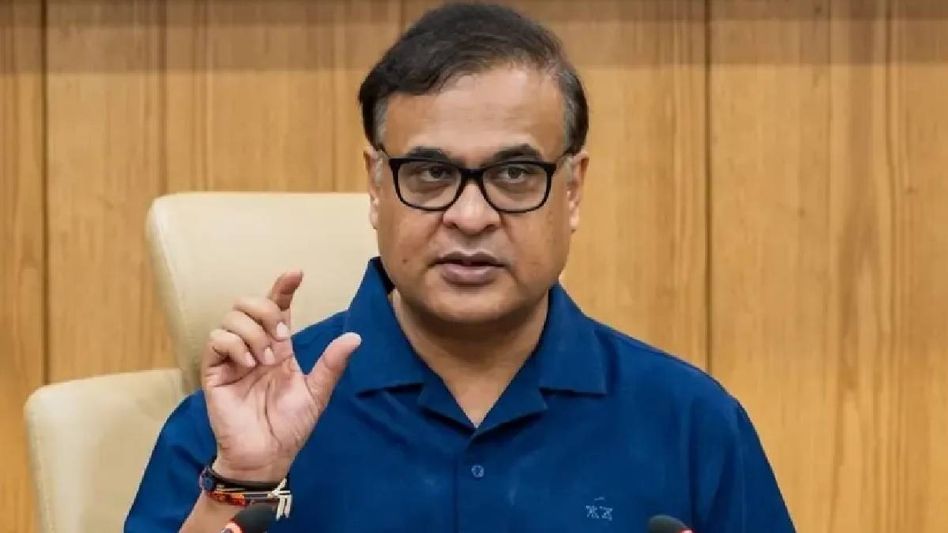
Briefing the media after the meeting, Chief Minister Himanta Biswa Sarma said the measures were aimed at improving the implementation of existing laws and bringing greater clarity and efficiency to administrative, child protection and labour-related systems.
Child protection policy approved
The cabinet approved the Assam State Child Protection Policy, 2026, following directions from the Supreme Court and the Gauhati High Court to establish a comprehensive framework for child protection in the state.
The policy will prescribe safeguards and regulatory standards for recognised child care institutions across Assam. The measures include the appointment of Child Safeguard Officers, installation of CCTV cameras, adherence to a code of conduct and mandatory display of relevant information and guidelines.
The cabinet also approved the draft Assam Juvenile Justice (Care and Protection of Children) Rules, 2026. The rules are intended to facilitate more effective implementation of the Juvenile Justice (Care and Protection of Children) Act, 2015, and the POCSO Rules, 2020.
According to Sarma, the rules will provide clearer procedures for dealing with cases involving children, including missing children and children in conflict with the law.
The provisions include procedures for the immediate filing of FIRs in cases of missing children, the functioning of anti-human trafficking units, constitution of selection committees, involvement of social workers and creation of child-friendly environments.
The government said the measures are intended to strengthen child protection and juvenile justice mechanisms and ensure appropriate support for children requiring care and protection, as well as those in conflict with the law.
Assam notifies new industrial relations, social security rules
The cabinet also approved notification of the Assam Industrial Relations Rules, 2026, replacing three older regulations dating back to the colonial and post-Independence periods.
It also approved the Assam Social Security Rules, 2026, framed under the Centre's Code on Social Security, 2020.
Sarma said the two sets of rules were part of the state's efforts to align its labour framework with the four labour codes introduced by the Centre.
He said the earlier 29 labour welfare laws had been consolidated into four labour codes, of which the Industrial Relations Code and Social Security Code are being addressed through the rules approved by the Assam government.
The remaining two labour codes will be taken up for consideration at a later stage, the Chief Minister said.
The new rules are expected to provide a more streamlined regulatory framework governing industrial relations, social security and labour welfare in the state.
Social welfare recruitment rules amended
The cabinet also approved amendments to the Assam Social Welfare Recruitment and Promotion Service Order, 1994, aimed at streamlining the functioning of the Social Welfare, Women and Child Welfare departments.
Sarma said Child Development Project Officers (CDPOs) function at the grassroots level, while District Social Welfare Officers operate at the district level. However, there had previously been no clearly defined service rules governing these positions despite similarities in their remuneration structures.
The amendments are intended to bring greater clarity to recruitment and promotion procedures and streamline the functioning of the departments