Assam Congress leader urges Supreme Court to halt Gauhati High Court relocation plan
Assam Congress leader petitions Supreme Court to halt Gauhati High Court relocation citing justice accessibility concerns. The court's response is awaited amid ongoing debates

- Jan 09, 2026,
- Updated Jan 09, 2026, 7:49 PM IST

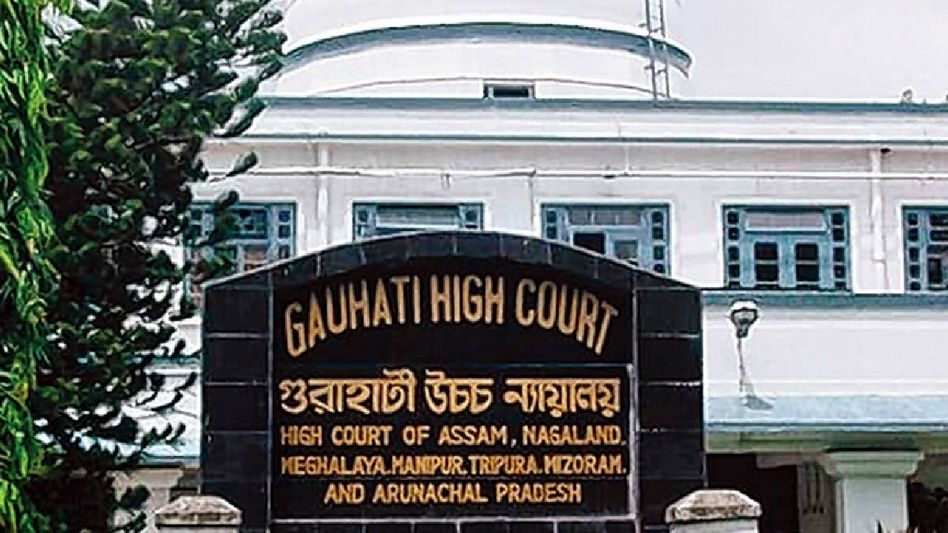
Congress MLA and Leader of Opposition in the Assam Assembly, Debabrata Saikia, has approached the Supreme Court seeking intervention to prevent the proposed relocation of the Gauhati High Court's principal bench from its current site to Rangmahal in North Guwahati, warning that the move could severely compromise access to justice.
Writing to the Chief Justice of India and Supreme Court judges under Article 129 of the Constitution, Saikia emphasised that the relocation risks undermining what he termed "our indigenous judicial system, a system rooted in accessibility, inclusiveness, and meaningful participation of citizens in the justice process."
The appeal comes after a December referendum by the Gauhati High Court Bar Association showed overwhelming opposition to the shift, with 1,358 members voting against the proposal.
Saikia highlighted the practical challenges facing the court, noting that as of June 2025, it had 49,149 pending cases across civil and criminal matters. With only 1,499 new cases registered and 1,362 disposed of during that month, he argued that relocating the principal bench would disrupt judicial functioning and case disposal.
The letter raised concerns about the disproportionate impact on vulnerable sections of the legal community. Young advocates from rural backgrounds and economically weaker sections already practise under severe financial constraints, whilst women advocates and persons with disabilities would face additional logistical hardships, particularly those managing family and caregiving responsibilities.
Financial implications also feature prominently in the petition. Saikia pointed to recent Comptroller and Auditor General observations regarding unrealistic budgetary assumptions and underutilised allocations for the 2023-24 financial year, questioning whether a capital-intensive relocation can be justified when public resources remain scarce.
Drawing comparisons with India's oldest high courts, the letter noted that the Calcutta High Court (established 1872), Madras High Court (1892), and Allahabad High Court (1916) continue operating from central urban locations without any state government directives to relocate. These courts have sanctioned strengths of 72, 75, and 160 judges respectively, whilst the Gauhati High Court has only 30 judges—22 permanent and 8 additional.
Rather than dismantling the existing institutional framework, Saikia has requested the Supreme Court to direct the Gauhati High Court to reconsider the relocation and instead establish a circuit bench in Upper Assam to improve regional connectivity and enhance access to justice.
The petition also raised environmental concerns, noting that Guwahati is experiencing rising environmental stress and deteriorating air quality, which large-scale construction would likely worsen.
Saikia submitted the representation "with utmost faith in the constitutional guardianship" of the Supreme Court, invoking the court's duty as a Court of Record to preserve and protect the administration of justice throughout the Union.