Assam Congress seeks CBI probe into major financial irregularities at Tezpur University
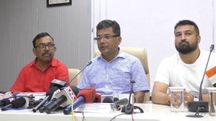
Leader of the Opposition in the Assam Legislative Assembly, Debabrata Saikia, along with MLA Nurul Huda and MLA Sibamoni Bora, has formally written to the Central Bureau of Investigation’s Anti-Corruption Branch (ACB) seeking an independent and time-bound enquiry into a series of alleged financial, administrative and statutory irregularities at Tezpur University.

- Dec 08, 2025,
- Updated Dec 08, 2025, 4:04 PM IST

Leader of the Opposition in the Assam Legislative Assembly, Debabrata Saikia, along with MLA Nurul Huda and MLA Sibamoni Bora, has formally written to the Central Bureau of Investigation’s Anti-Corruption Branch (ACB) seeking an independent and time-bound enquiry into a series of alleged financial, administrative and statutory irregularities at Tezpur University. The letter, addressed to the CBI’s Anti-Corruption Branch in Guwahati, calls for a transparent investigation into concerns that have reportedly surfaced over several years and have triggered widespread unrest within the university community.
The letter to the CBI highlights that the allegations have been consistently raised by students, faculty bodies, and staff associations, and some even surfaced through official channels such as responses to Right to Information applications. While clarifying that the letter does not level personal accusations against any individual, Debabrata Saikia stated that the gravity of the circumstances demands an impartial verification by a competent agency like the CBI.
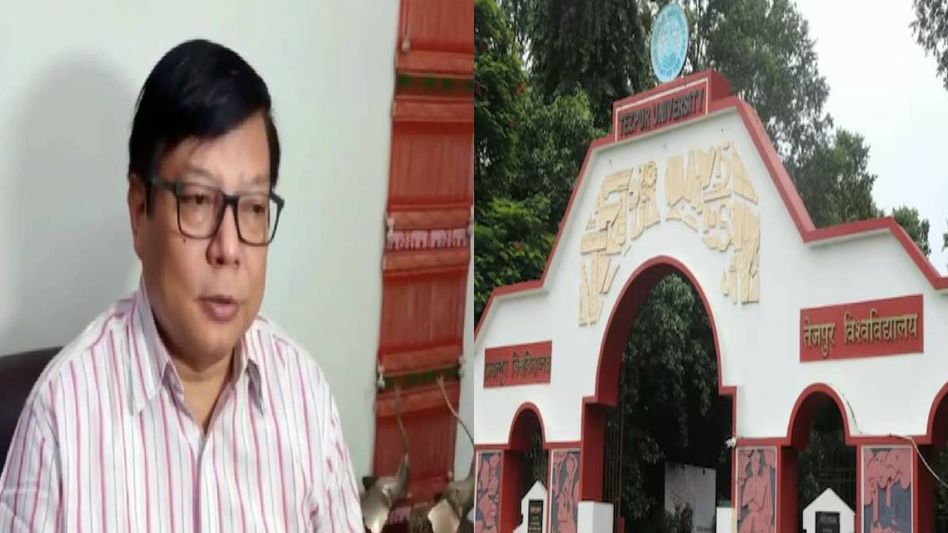
Tezpur University, a Central University established under the Tezpur University Act of 1993, has been witnessing months of institutional turmoil. Numerous written complaints and submissions from stakeholders reportedly point to procurement-related anomalies, manipulation of tender processes, misallocation of public funds, violations of statutory procedures, irregular appointments and service extensions, withholding of retirement dues, and the non-availability of essential documents related to the appointment and qualifications of the sitting Vice-Chancellor as per an RTI response dated November 19, 2025. The Ministry of Education’s written assurance on December 6, 2025 — stating that former Vice-Chancellor Prof. Shambhu Nath Singh would no longer administer the university and that a formal enquiry would be initiated — further underscores the seriousness of the situation.
The letter outlines a series of procurement and tender-related irregularities that were allegedly brought to light by faculty associations and staff bodies. These include manipulation of the security services tender involving M/s GDX Security Solutions Pvt. Ltd., diesel procurement worth approximately Rs 11.48 lakh from a vendor without a valid contract, and awarding of scrap disposal contracts without following established tender norms. One of the most serious allegations pertains to the procurement of books and e-resources worth nearly Rs 4.5 crore under the UGC Capital Assets grant for 2024–25, where purchases were allegedly routed to a small cluster of Delhi-based vendors using questionable proprietary certificates and non-availability claims. Several titles reportedly lacked proper ISBN verification or reflected characteristics of freely available open-access materials, suggesting potential financial misconduct and violations of General Financial Rules (GFR) 2017.
Major concerns have also been raised regarding high-value equipment purchases, including a consolidated tender worth Rs 7 crore and the acquisition of a Semiconductor Parameter Analyzer, which allegedly contained restrictive specifications that may have favoured particular vendors. The inauguration of a High Mast Flag Pole just three days after the bid opening, despite missing tender documents from the university’s website, has also been cited as an instance of alleged pre-awarded contracting.
A substantial section of the letter draws attention to alleged irregularities in projects funded by the Higher Education Financing Agency (HEFA), including a Rs 14 crore furniture procurement that reportedly involved restrictive tender specifications favouring a specific brand and resulting in substandard deliveries. Water coolers and purifiers purchased at prices more than double the market rate, and construction expenses amounting to Rs 153.71 crore for nine buildings executed under the EPC mode by APWD, have similarly been questioned. The absence of a Project Management Consultant — mandatory under the MoU — non-availability of completion certificates, withheld inspection reports detailing deficiencies, and contradictory official communications collectively raise concerns of procedural manipulation and senior-level complicity.
Further allegations involve procurement of MacBooks worth around Rs 83 lakh for the Centre for Endangered Languages (CFEL), despite the centre reportedly having 39 fully functional systems. An audit report dated March 12, 2024, allegedly found that a tender initiated on the GeM portal was cancelled due to single participation, after which MacBooks were procured overnight using a questionable Proprietary Article Certificate. The audit also reportedly found no clear record of installation locations and raised concerns that several units may have been personally gifted to senior officials — a claim that, if proven, could indicate deliberate misuse of office.
The letter additionally flags alleged misuse of Internal Revenue Generation (IRG) funds, unfair hiring practices in deploying semiskilled and unskilled workers, irregular service extensions, questionable creation of high-remuneration contractual posts, and misuse of authority in residential allotments. It also points to non-processing of retirement benefits for a former Executive Engineer, replacement of qualified guest faculty with research scholars at much lower pay, and deteriorating hostel conditions blamed on administrative negligence.
A particularly alarming issue raised is an RTI reply stating that key documents relating to the Vice-Chancellor’s appointment — including Curriculum Vitae, PhD documents, selection committee proceedings, and interview records — were “not available in the office.” Saikia notes that if this claim is accurate, it reflects grave lapses in institutional record-keeping and transparency. The letter also refers to the fact that Prof. Shambhu Nath Singh was previously removed from the position of Vice-Chancellor of Patna University following orders of the Patna High Court.
The concerns, the letter states, appear to fall within possible violations under Sections 11, 13, and 14 of the Prevention of Corruption Act, 1988; Sections 111 and 199 of the Bharatiya Nyay Sanhita, 2023; General Financial Rules (GFR) 2017; UGC norms; and the Tezpur University Act, 1993. Saikia and Huda maintain that only an independent investigation can confirm the facts and restore the credibility of the institution.
The letter urges the CBI’s Anti-Corruption Branch to launch a thorough and impartial probe into all financial and administrative transactions over the past several years, verify RTI-linked claims regarding missing documents, and ensure accountability in accordance with the legal framework governing public institutions. Given the magnitude of public funds involved and the pivotal role of Tezpur University in the region’s higher education landscape, the leaders state that an independent inquiry is essential to uphold public trust and institutional integrity.