
Assam elections: Himanta frames choice between identity and development
Assam Chief Minister Himanta Biswa Sarma, on January 26, urged voters to make what he described as a clear choice ahead of the state elections due in the coming months: reject “vote bank politics” and back the development agenda pursued by his government over the past five years.
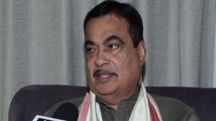
 Himanta Biswa Sarma
- Jan 26, 2026,
- Updated Jan 26, 2026, 1:27 PM IST

Assam Chief Minister Himanta Biswa Sarma, on January 26, urged voters to make what he described as a clear choice ahead of the state elections due in the coming months: reject “vote bank politics” and back the development agenda pursued by his government over the past five years.
Speaking after unfurling the national flag at the Republic Day function, Sarma said Assam had moved away from a past marked by violence and insurgency and was now “among the fastest growing states in the country”. He asked whether the state should return to “the dark days of violence and insurgency when bandhs, dharnas, bomb blasts and guns ruled” or continue on the current development path.
At the centre of his address was the issue of land and identity. Sarma said his government had decided “not to surrender to the Bangladeshi Muslims who have encroached upon huge areas of land and threatened our identity, culture and traditions”, adding that eviction drives were under way to reclaim encroached land. He said protecting people’s maati (land), bheti (foundation), sanskriti (culture) and parichay (identity) was essential to secure the rights of future generations, and urged citizens to remain “atal, abichal and agragami” in that effort.
While listing gains in infrastructure, education, health, agriculture, industry and the social sector, the chief minister stressed that “development without securing the identity of its people will remain an incomplete journey” in Assam. Citing projections linked to the 2027 census, he claimed the Muslim population originating from East Bengal (Bangladesh) would rise to 40 per cent, that Hindus were already a minority in 12 districts, and that 63.58 lakh bighas of land had been encroached upon by what he termed infiltrators.
Sarma said no government before 2021 had taken steps to clear encroachments and alleged that earlier administrations had “surrendered to these foreigners”. He pointed to the use of the Immigration (Expulsion from Assam) Act, 1950, saying Supreme Court permission had empowered district commissioners to expel foreigners within 24 hours without tribunal proceedings. “This has helped us… in asserting their identity by pushing back the foreigners,” he said.
Recalling the Assam Movement against illegal immigration between 1979 and 1985, during which 860 people were killed, Sarma said the sacrifices of the agitators had long gone unrecognised. He credited Prime Minister Narendra Modi for the establishment of the Swahid Smarak in Guwahati and said Modi and Union Home Minister Amit Shah had paid tributes to the martyrs during recent visits, giving the movement national recognition.
The chief minister also highlighted social legislation, including action against child marriage and the passage of what he called a historic bill to curb polygamy, with penalties of up to seven years’ imprisonment. He said the government was prioritising indigenous communities, particularly tea tribes and Adivasis, announcing land rights for more than six lakh tea garden workers, a one-time grant of Rs 5,000, 3 per cent reservation in government jobs, and improved roads, schools, health services and skill centres in tea estates.
Summing up the past five years, Sarma said Assam had seen “firm action against illegal encroachments”, recognition of its martyrs, efforts to uphold the legacy of Vaishnavite reformer Srimanta Sankardeva, distribution of land pattas to indigenous people, and the global promotion of cultural forms such as Bihu, Jhumoir and Bagurumba.
MORE NEWS











Copyright©2026 Living Media India Limited. For reprint rights: Syndications Today
