Assam marks global first with soft release of captive-bred vultures into wild
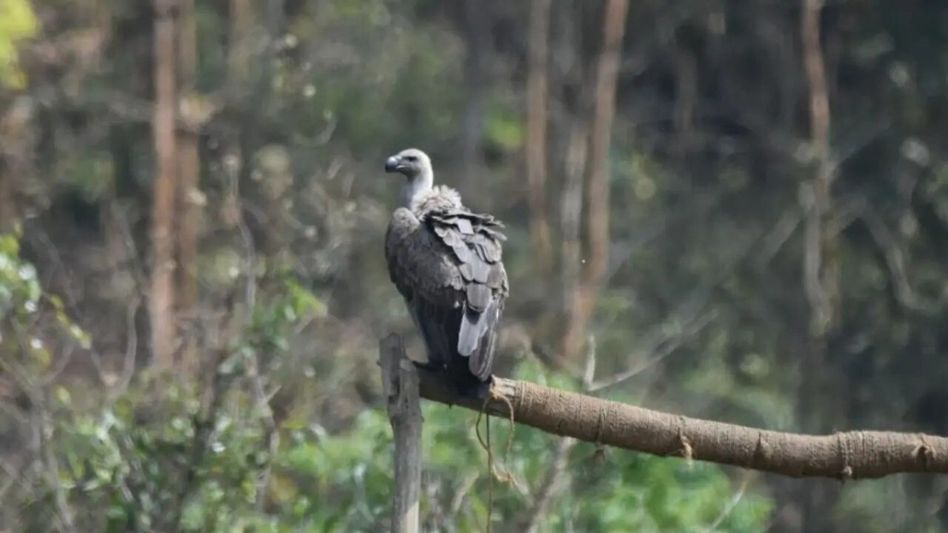
Assam has soft-released 10 captive-bred vultures into the wild from Biswanath. The move is being described as a global first in vulture reintroduction efforts.

- Aug 08, 2026,
- Updated Aug 08, 2026, 9:14 AM IST

- Five slender-billed and five white-rumped vultures were released on 7 August
- The birds were bred under Assam forest department and BNHS since 2007
- They acclimatised for three months in Biswanath before entering natural habitat
Assam has recorded a major milestone in vulture conservation with the soft release of 10 captive-bred vultures into their natural habitat, marking what conservation authorities described as a global first.
Five slender-billed vultures and five white-rumped vultures were released on August 7 from the Jatayu Soft Release Centre at Tewaripal in Biswanath district, according to the Bombay Natural History Society (BNHS).
The birds were bred under a joint conservation programme of the Assam forest department and BNHS, which has been running since 2007. They were moved about three months ago from the Vulture Conservation Breeding Centre at Rani to the release aviary in Biswanath, where they were allowed to acclimatise before being introduced to the wild.
The release comes against the backdrop of a severe decline in India's vulture population. Gyps vultures, including the white-rumped and slender-billed species, suffered population losses of about 99 per cent over two decades, largely because of poisoning linked to veterinary non-steroidal anti-inflammatory drugs (NSAIDs), particularly diclofenac.
The use of diclofenac in veterinary treatment was subsequently banned, followed by restrictions on other drugs including aceclofenac, ketoprofen and nimesulide.
Vultures in Assam also face the risk of secondary poisoning when pesticides are used on livestock carcasses, which form an important part of their natural food supply.
The dedicated release aviary at Biswanath was established by Kaziranga National Park to support the scientific reintroduction of captive-bred vultures into the wild.
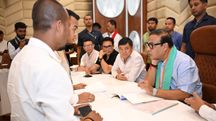
The release was attended by Assam Environment, Forest and Climate Change Minister Jayanta Malla Baruah, Biswanath MLA Pallab Lochan Das, Special Chief Secretary M Yadav, Chief Wildlife Warden Vinay Gupta, Kaziranga National Park Director C Ramesh and BNHS Deputy Director Sachin Ranade.
Officials opened the aviary remotely using a pulley system so the birds were not disturbed during the release. Their movements were monitored from a CCTV-equipped tower.
Each bird has been fitted with a numbered blue leg ring and a tag on its back to allow researchers and forest officials to track its movements after release.
BNHS has urged livestock owners and the public to avoid using banned veterinary NSAIDs and to refrain from spraying pesticides on animal carcasses. It has also asked people who spot tagged vultures to report the sightings to the forest department or BNHS, helping conservation teams track the birds and assess the success of the reintroduction programme.