Assam study flags rise in elephant deaths linked to anti-depredation squads
A new scientific study has raised serious concerns over the effectiveness of Anti-Depredation Squads (ADS) in Assam, revealing that the widely adopted strategy to mitigate human-elephant conflict may be contributing to a significant rise in elephant deaths.

- Apr 21, 2026,
- Updated Apr 21, 2026, 9:02 AM IST

- Study questions effectiveness of Anti-Depredation Squads in Assam
- Elephant mortality rises with squad interventions, study finds
- Research highlights accidental elephant deaths from electrocution and chases
A new scientific study has raised serious concerns over the effectiveness of Anti-Depredation Squads (ADS) in Assam, revealing that the widely adopted strategy to mitigate human-elephant conflict may be contributing to a significant rise in elephant deaths.
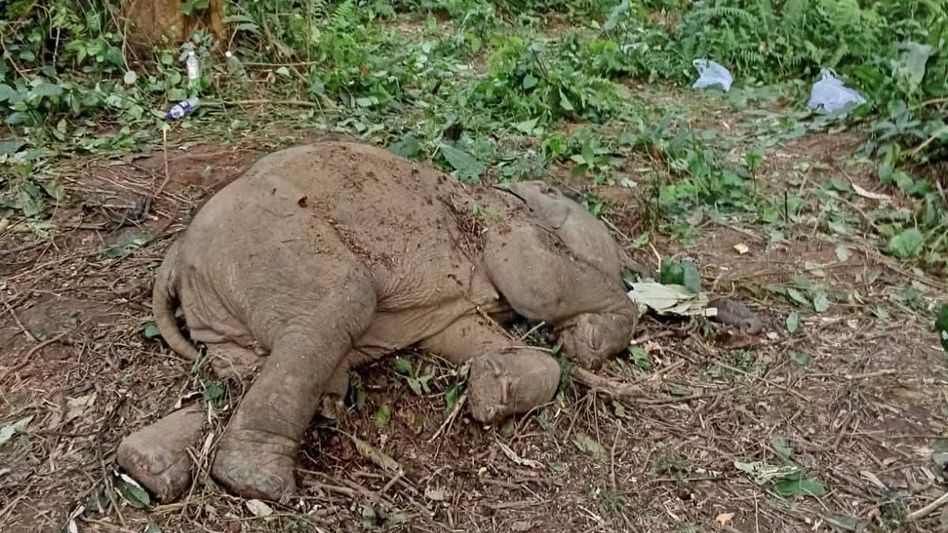
The findings come amid the recent death of a baby elephant, Lakhimani, in the Doomdooma Forest Division of Tinsukia district, highlighting growing tensions in the region’s elephant corridors.
The peer-reviewed study, Effects of organised guarding on mortality from human–elephant conflict in northeast India, published in the journal Conservation Biology on January 7, 2026, is based on a 20-year analysis of data from 1999 to 2018 in Assam’s Sonitpur district.
Led by conservation researcher Nitin Sekar along with a team from the Indian Statistical Institute and other institutions, the study examined the impact of organised village squads that drive crop-raiding elephants back into forests using lights, noise, and coordinated efforts.
Contrary to expectations, the research found that elephant mortality in villages with such squads increased by two to nearly three times compared to areas without them. Most of these deaths were accidental—caused by electrocution from temporary fencing or injuries sustained during chaotic chases, rather than deliberate human retaliation.
“Contrary to expectations, the intervention was associated with an approximate 2.0–2.9 times increase in elephant mortality,” the study noted.
The analysis also suggested that repeated harassment may reduce elephants’ natural vigilance, making them more vulnerable during such encounters.
Importantly, the study found no conclusive evidence that ADS significantly reduced human fatalities, though it indicated a possible trade-off in the form of better crop protection at the cost of elephant lives.
The squads, implemented since the early 2000s with support from WWF-India and the state forest department, were previously considered a community-driven and humane approach to conflict mitigation.
However, with Assam witnessing rising human-elephant conflict, the study urges policymakers and conservationists to reassess current strategies and prioritise evidence-based interventions.
While the overall increase in elephant deaths remains relatively small—estimated at roughly one additional death per year in the study area—the findings underscore the ecological cost of existing practices and call for urgent recalibration of conservation policies.
The authors emphasised the need for rigorous evaluation of wildlife conflict mitigation methods to ensure both human safety and ecological sustainability.