Assam's Boko CHC treats 654 snakebite victims in four years; two deaths reported
Boko CHC/FRU in Assam treated 654 snakebite victims between January 2022 and August 2026, with two deaths reported. Doctors said faster hospital arrivals and early medical care are improving survival in rural snakebite cases.

- Sep 15, 2026,
- Updated Sep 15, 2026, 6:37 PM IST

- Sixteen cases involved venomous snakes, mostly cobras, pit vipers and kraits
- Doctors administered 210 ASV vials overall, including 50 vials in 2026
- Lalita Roy survived respiratory failure after emergency ventilation and anti-snake venom
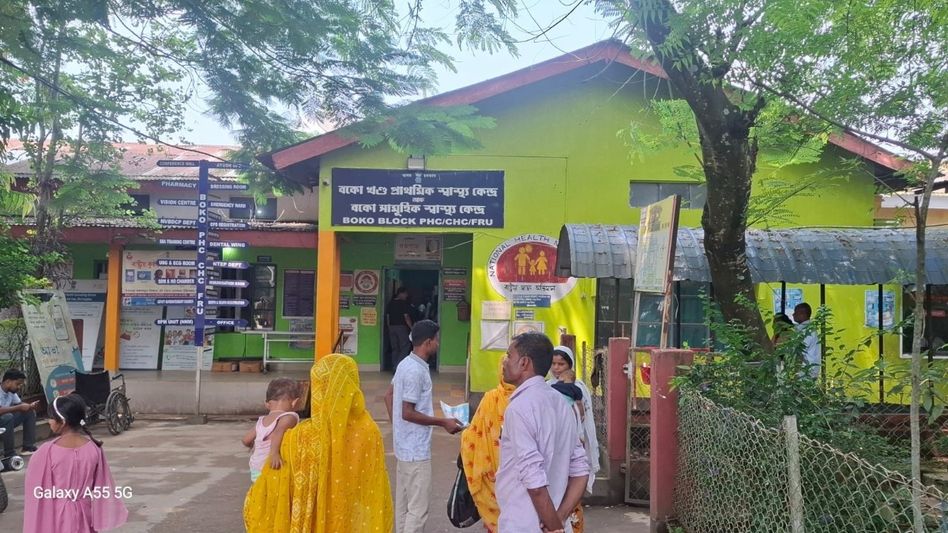
The Boko Community Health Centre and First Referral Unit (CHC/FRU) has treated 654 snakebite victims between January 2022 and August 2026, highlighting the continued health risks posed by snakebites in rural areas.
According to Deputy Superintendent of Boko CHC/FRU Dr. Apurba Talukdar, 16 of the cases involved venomous snakes, including nine cobra bites, five pit viper bites and two krait bites. The remaining 638 cases were associated with non-venomous snakes, while one case was recorded as a suspected dry bite.
During the period, a total of 210 vials of Lyophilized Polyvalent Anti-Snake Venom (ASV) were administered, while two patients reportedly died following snakebite.
In 2026 alone, hospital records show that 173 snakebite patients had been treated at Boko CHC/FRU up to August, with 50 vials of anti-snake venom administered.
Dr. Talukdar highlighted the case of 25-year-old Lalita Roy of Panikhaiti, who was brought to the hospital shortly after being bitten by a snake on June 25. She developed pain, swelling and severe neurological symptoms before suffering respiratory failure. Doctors provided emergency treatment, including oxygen support, intubation, assisted ventilation and mechanical ventilation, followed by anti-snake venom. She eventually regained spontaneous breathing and recovered, although tissue necrosis was observed at the bite site.
Another patient, 40-year-old Khairun Bibi of Chandra, was suspected to have been bitten by a monocled cobra on August 18. She later developed discomfort and vomiting and was administered 20 vials of anti-snake venom. She subsequently recovered, though local tissue damage was reported.
Hospital authorities said the time taken to bring snakebite victims to the facility has gradually declined, which Dr. Talukdar attributed to greater awareness and the availability of free treatment at government healthcare facilities.
Senior doctor Dr. Hemen Nath urged people to seek medical treatment immediately following a snakebite. He said patients from remote areas including Lampi, Gamerimura, Hahim, Chaygaon and Samaria, as well as neighbouring Meghalaya, are also brought to Boko CHC/FRU for treatment.
Dr. Nath cautioned against tightly tying a cloth or rope above the bite site, saying the practice could lead to further complications. He advised keeping the affected limb still and transporting the victim to the nearest healthcare facility without delay.
He also appealed to people not to rely on traditional healers or bez and bejalis in snakebite cases, stressing that early medical intervention can significantly improve the chances of survival.