Assam's Dhubri on alert as Bhutan glacial lake outburst threatens sudden rise in Sankosh river
A Bhutan glacial lake outburst has put Dhubri and Alipurduar authorities on alert. Thousands have been relocated as agencies prepare for a sudden Sankosh river surge.

- Oct 30, 2026,
- Updated Oct 30, 2026, 9:23 AM IST

- CWC expects floodwater to reach the India-Bhutan border within eight hours
- Authorities moved thousands of Alipurduar residents into shelters and safer areas
- NDRF, SDRF and Civil Defence personnel have been mobilised in Bengal
Assam's Dhubri district has been placed on alert after a Glacial Lake Outburst Flood (GLOF) was reported in Bhutan, with the Central Water Commission (CWC) warning of a possible sudden rise in water levels along the Sankosh River.
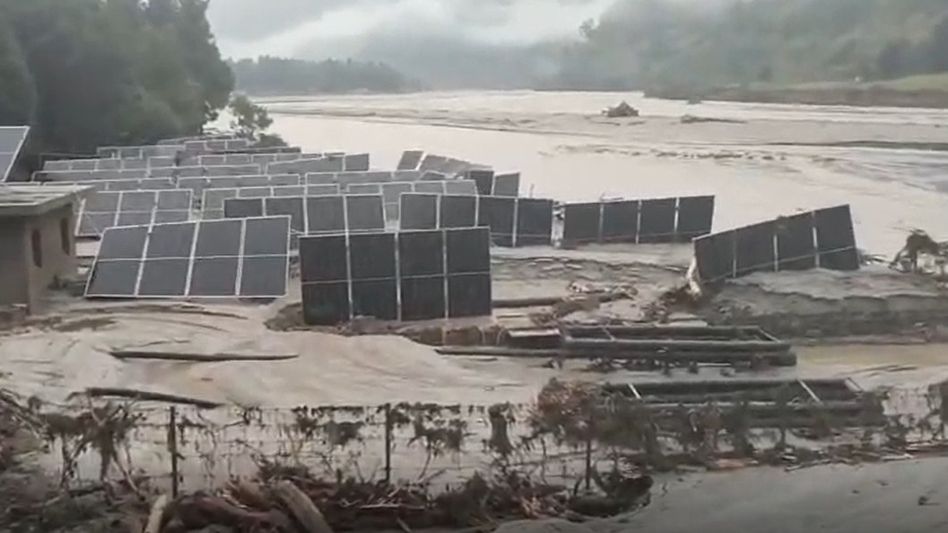
The CWC's Flood Forecast Monitoring Directorate issued a special advisory for Assam and West Bengal on October 29, stating that a flash flood had been reported in the upper reaches of the Punatsangchhu River in Bhutan, which is known as the Sankosh River in India.
According to the advisory, the floodwater is expected to reach the India-Bhutan border within six to eight hours and could affect Dhubri in Assam and Alipurduar in West Bengal. Water levels in the downstream areas are likely to rise suddenly, prompting authorities to closely monitor the situation.
Assam Chief Minister Himanta Biswa Sarma said the state government was monitoring the developments and that the Dhubri district administration had been placed on alert.
"The situation arising out of the Glacial Lake Outburst flood in Bhutan is being closely monitored. Team Dhubri is on the ground and prepared to effectively deal with the downstream effects," Sarma said in a post on X.
The CWC has advised local authorities in both Dhubri and Alipurduar, particularly those operating along the Sankosh River, to remain alert, closely monitor water levels and take necessary precautionary measures.
A GLOF occurs when water accumulated in a glacial lake is suddenly released, often due to the failure or breach of a natural dam formed by ice or rock. Such events can send large volumes of water downstream within a short period, potentially causing flash floods in areas far from the source.
The development has also prompted emergency preparedness measures in neighbouring West Bengal, where authorities have warned residents living along the Sankosh River and its tributaries to move to safer locations.
Darjeeling BJP MP Raju Bista urged people in vulnerable areas of the Darjeeling hills, Terai and Dooars to remain alert and follow official advisories.
West Bengal authorities have activated disaster management teams, with the National Disaster Response Force (NDRF), State Disaster Response Force (SDRF) and Civil Defence personnel being mobilised.
Alipurduar Superintendent of Police Amit Kumar Shaw said the administration was coordinating with Bhutanese authorities and various disaster response agencies to manage the situation.
Shaw said around 4,000 to 5,000 people had been moved to shelters, including school buildings, while more than 6,000 others had been relocated to safer areas.
He added that arrangements had been made for drinking water, dry food and other essential facilities at relief centres. Although preliminary information suggested that the intensity of the water flow had reduced slightly, authorities continued to maintain a high level of preparedness.
Residents in vulnerable areas of Assam and West Bengal have been urged to remain cautious, avoid approaching riverbanks and follow instructions issued by local administrations as officials continue to monitor the movement of floodwater downstream.