
Assam's Majuli marks Goru Bihu with age-old rituals and community celebrations
Majuli in Assam celebrated Goru Bihu with rituals honouring cattle and marking the agricultural season. The festival brought together villagers in prayers and feasts, showcasing their rich cultural heritage

- Apr 14, 2026,
- Updated Apr 14, 2026, 10:42 AM IST

- Goru Bihu marks Assamese New Year and Rongali Bihu start
- Majuli hosts vibrant cattle rituals along riverbanks
- Farmers bathe cattle with turmeric and black gram mixture
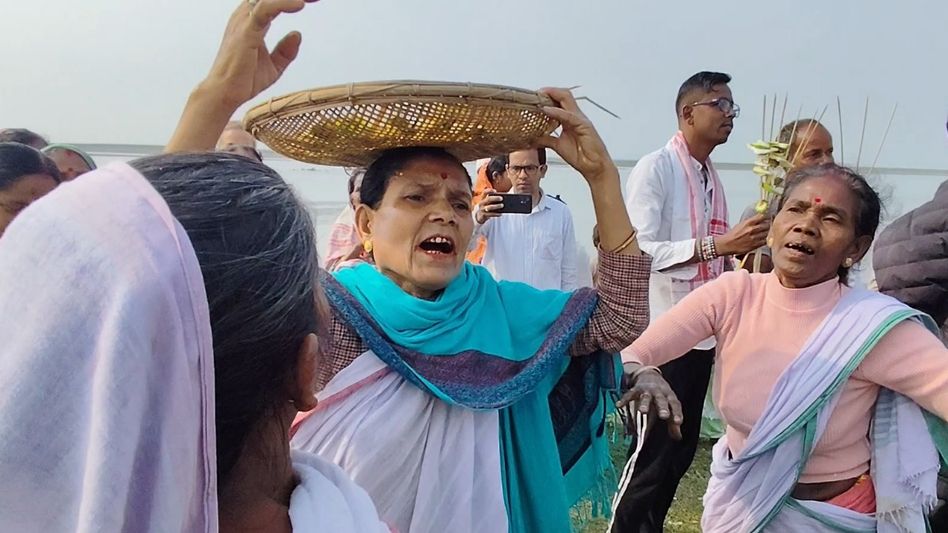
Goru Bihu, marking the beginning of the Assamese New Year and the first day of Rongali Bihu, was observed across Assam on April 14 with traditional rituals centred on cattle, a cornerstone of the state’s agrarian life. Celebrations were especially vibrant in Majuli, the world’s largest inhabited river island, where communities gathered along riverbanks to carry forward age-old customs.
Observed on the last day of Chaitra Sankranti, Goru Bihu is dedicated to the care and worship of cattle. Farmers led their livestock to nearby water bodies, including the Brahmaputra River, for ceremonial bathing in the early hours of the day. The ritual included cleansing the animals with a mixture of black gram and turmeric, believed to protect and purify them.
In keeping with tradition, cattle were gently tapped with dighloti and makhiyoti leaves and fed vegetables such as gourd and brinjal. The practices symbolise prayers for strength, good health and longevity of the animals, which remain central to rural livelihoods.
“Today marks the last day of the Assamese calendar, and we celebrate Goru Bihu as an important part of Rongali Bihu,” said Nitul Hazarika, a resident of Khorahola village. “We take our cattle to rivers and ponds and bathe them using a mixture of maah and halodhi to cleanse and protect them.”
He added, “After bathing, we prepare special items and tie symbolic herbs and vegetables to the cattle for their well-being. Later, we celebrate with a traditional feast.” Referring to local cuisine, he noted that vegetables such as bottle gourd, brinjal, green chillies and cucumbers are roasted on bamboo sticks, giving the dish a distinctive flavour.
Villagers gathered in large numbers along riverbanks after completing the rituals, turning the occasion into a community celebration. The festival continues to reflect the close relationship between agriculture and Assamese cultural practices, while reinforcing social bonds.
Tourists also joined the festivities. Louis, a visitor from Chile, said, “I came here last year and really liked the experience, so I wanted to enjoy this festival again with the local people. It's a wonderful celebration with great cultural performances and a warm atmosphere.” He added, “I have been here for about five days… to witness this beautiful celebration by the river.”
Similar celebrations were reported from Golaghat, where farmers observed the day by cleaning and bathing ploughing bulls and dairy cows, including the revered “khirati” cattle, as part of prayers for prosperity.
Goru Bihu continues to highlight Assam’s rural traditions, combining ritual, community participation and agricultural significance at the start of the new year.
MORE NEWS












Copyright©2026 Living Media India Limited. For reprint rights: Syndications Today
