‘Dead’ Meghalaya mine worker returns home alive after cremation in Assam’s Sribhumi
The coal mine worker from Sribhumi district of Assam, reported killed in the February 5 explosion at Thangsku in Meghalaya's East Jaintia Hills, stood alive before his stunned relatives three days after they had performed his last rites.

- Feb 14, 2026,
- Updated Feb 14, 2026, 8:41 AM IST

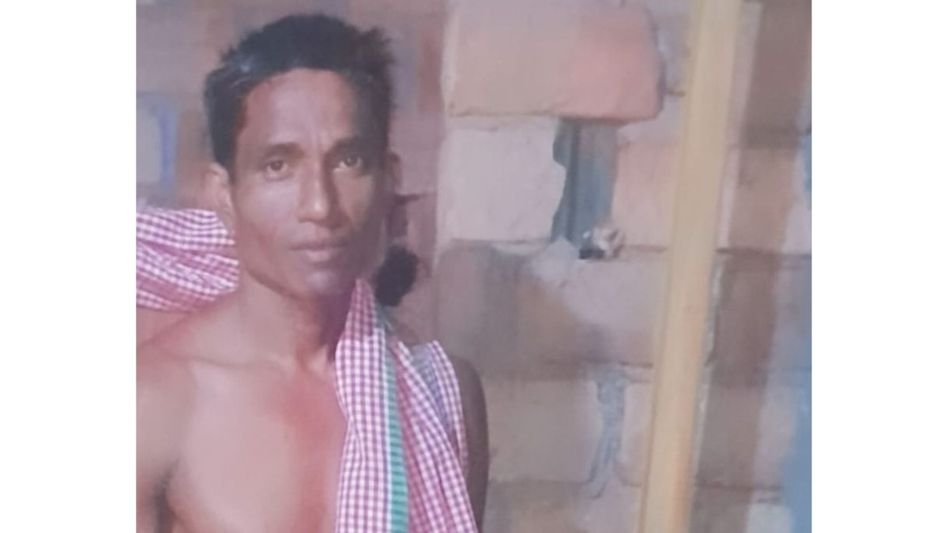
Shyambabu Sinha had already been mourned, cremated and consigned to memory when he knocked on his family's door in Ratabari, Sribhumi district of Assam. The coal mine worker, reported killed in the February 5 explosion at Thangsku in Meghalaya's East Jaintia Hills, stood alive before his stunned relatives three days after they had performed his last rites.
The return has left authorities scrambling to identify whose body was handed over to Sinha's family and cremated in his name.
Sinha is one of more than 30 workers caught in the blast at the illegal coal mine, an operation that continued to function nearly a decade after the National Green Tribunal banned rat-hole mining across Meghalaya in 2014. The latest confirmed death came days after the explosion, when an injured worker died at a Guwahati hospital.
While his unexpected return sparked relief and celebration in his family and village, it has also raised serious questions about the identity of the body that was cremated in his name.
The incident took place in Lengtarpar village under Ratabari police station in Sribhumi district. Local resident Shyambabu Sinha was believed to have died in the February 5 coal mine blast in Meghalaya. Following the information received after the explosion, his family identified a body as his and conducted his funeral with full religious rites.
According to family members, Sinha had travelled to Meghalaya about a month ago in search of work. He had been employed as a labourer at a coal mine in the Chutunga area of Thangskuk. On February 5, a powerful explosion ripped through the mine, killing several workers and injuring many others. In the aftermath, Sinha went missing.
When there was no trace of him for several days, and based on inputs reportedly provided by local sources and authorities, the family accepted that he had died in the blast. A body was identified as Sinha’s and cremated.
However, in a dramatic twist, Sinha walked back into his home while post-cremation rituals were still underway. Villagers were initially stunned and struggled to believe what they were seeing. Once it was confirmed that he was indeed alive, scenes of disbelief turned into overwhelming relief and joy.
The development has now triggered a major mystery: whose body was cremated in his place? The administration faces mounting pressure to establish the true identity of the deceased and determine how such a grave lapse occurred. Demands for a thorough investigation are growing, as authorities seek to uncover the circumstances behind the misidentification and identify the actual victim of the blast.
Meghalaya Police have now formed a nine-member Special Investigation Team to examine how the mine operated despite the longstanding prohibition. Director General of Police Idashisha Nongrang announced the formation in an official order, stressing the need for a "fair, impartial and expeditious investigation into the circumstances leading to the incident".
Deputy Inspector General Vivekanand S Rathore will lead the team, which has been tasked with determining the blast's cause, identifying violations of court and tribunal directives, and completing the probe within a fixed timeframe. "The SIT will ensure that the investigation is carried out in a time-bound manner so as to bring the case to its logical conclusion and ensure delivery of justice in accordance with law," the order stated.
Search and rescue operations ended on 9 February after assessment teams concluded no survivors remained trapped underground.
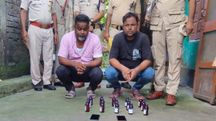
Four arrests have been made, and authorities have seized several thousand metric tonnes of illegally extracted coal whilst dismantling labour camps and intensifying raids across coal-bearing regions. Chief Minister Conrad K Sangma has announced a judicial inquiry commission to fix responsibility for the disaster.
The tribunal's 2014 ban cited severe environmental damage and grave safety risks, including absent ventilation and structural safeguards that make rat-hole mining particularly dangerous. The explosion has renewed questions about enforcement mechanisms and the chain of permissions that allowed the Thangsku operation to continue unchecked for years.