Dima Hasao should follow GHADC model to protect tribal political rights: Former NCHAC chief
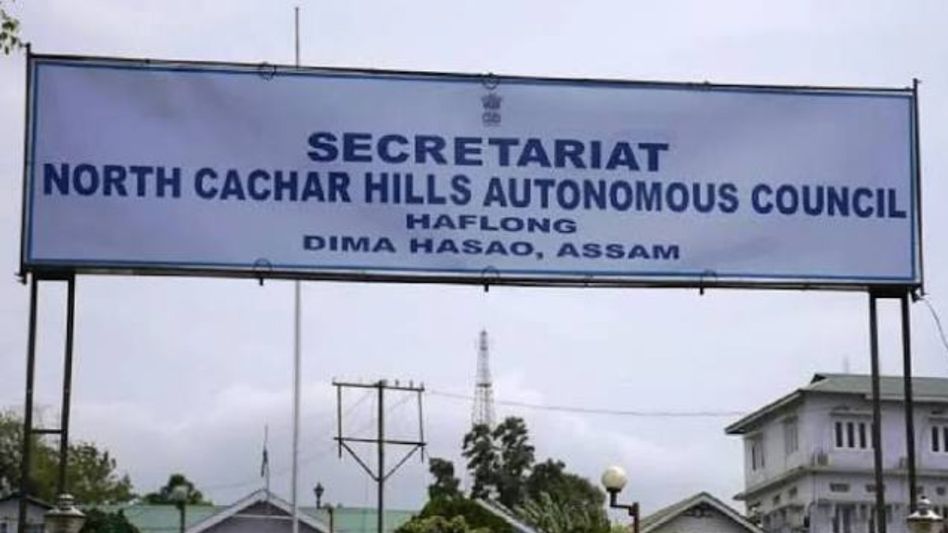
Former North Cachar Hills Autonomous Council (NCHAC) Executive Member and former Haflong MLA Samarjit Haflongbar has urged the autonomous council to examine the recent initiative of the Garo Hills Autonomous District Council (GHADC) to strengthen the political rights of indigenous Scheduled Tribe communities.

- Aug 13, 2026,
- Updated Aug 13, 2026, 12:24 PM IST

Former North Cachar Hills Autonomous Council (NCHAC) Executive Member and former Haflong MLA Samarjit Haflongbar has urged the autonomous council to examine the recent initiative of the Garo Hills Autonomous District Council (GHADC) to strengthen the political rights of indigenous Scheduled Tribe communities.
In a statement, Haflongbar said the Sixth Schedule of the Constitution, read with Article 244(2), was intended to protect the land, identity, customs, traditions and political rights of indigenous tribal communities in the Northeast through autonomous district councils.
Welcoming the GHADC initiative, he said the eligibility to contest council elections had been restricted to members of the Scheduled Tribe community following an amendment to the applicable rules, while the Meghalaya government had announced plans to prepare a separate electoral roll for eligible tribal voters for GHADC elections.
He said the development was significant for protecting the political rights of indigenous communities within Sixth Schedule institutions and urged the NCHAC to study the model and examine whether a similar mechanism could be introduced in Dima Hasao.
Haflongbar expressed concern over demographic changes, alleged indiscriminate settlement and the transfer or use of tribal land, saying such developments could gradually dilute the constitutional safeguards provided to indigenous communities.
He particularly flagged the alleged transfer or allocation of large tracts of land for industrial and corporate projects in the area. While acknowledging the need for industrial development, he said such projects must remain consistent with the constitutional safeguards applicable to Sixth Schedule areas.
“If large tracts of land pass into the control of non-ST corporate groups and are followed by the permanent settlement of large numbers of outside workers and employees, the demographic character of the area could undergo substantial change,” he said.
According to Haflongbar, such demographic changes could eventually affect the political representation of indigenous Scheduled Tribe communities and undermine the objectives for which the Sixth Schedule institutions were created.
He urged the NCHAC Executive Committee to examine the feasibility of introducing a separate electoral roll for council elections comprising eligible Scheduled Tribe voters, subject to the constitutional and statutory procedures under the Sixth Schedule and applicable rules.
He also called upon the Council to exercise its powers under the Sixth Schedule to protect tribal land, natural resources and the demographic interests of indigenous communities.
Haflongbar stressed that his appeal was not against development or industrialisation, but for ensuring that development proceeds alongside protection of indigenous rights.
“The issue is not against development, industry or any particular community. Development must go hand in hand with protection of indigenous rights,” he said.
He appealed to the Assam government, the Governor of Assam and the NCHAC to undertake a comprehensive examination of the issue and take appropriate constitutional and legal measures to safeguard the political rights of the indigenous tribal communities of Dima Hasao.