For the first time Assam releases captive-bred vultures into the wild
Assam releases captive-bred vultures to boost their declining numbers. Conservationists welcome the move, highlighting the birds' ecological importance.

- Mar 21, 2026,
- Updated Mar 21, 2026, 12:26 PM IST

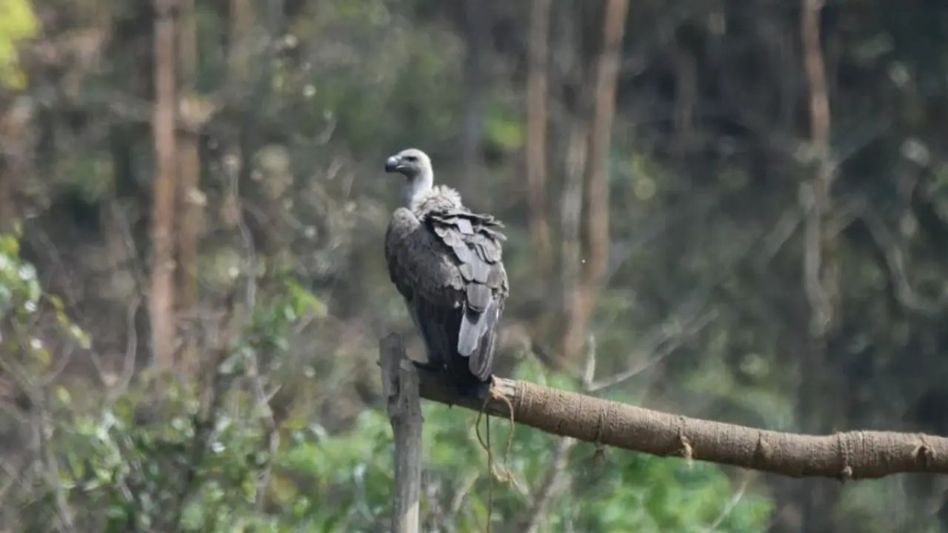
In a landmark step for wildlife conservation, Assam witnessed its first-ever release of captive-bred White-rumped Vulture into the wild at Nalapara under the Rani range.
The release was carried out by MK Yadav, Special Secretary, Forests and Environment, Assam, in the presence of key conservation experts including Dr Vinay Gupta, Kishor Rithe, Dr Sachin Ranade and Dr Chris Bowden.
Five vultures were released from a specially designed aviary, with officials using a pulley system from a distance to avoid disturbing the birds. Cameras were installed to monitor their movement post-release.
This marks the first such reintroduction initiative from the Vulture Conservation Breeding Centre (VCBC) at Rani, established in 2007. The centre currently houses 194 vultures, including 138 white-rumped and 56 slender-billed vultures, and has now reached a stage where 20–25 birds can be released annually.
Of the released birds, some were bred in captivity while others had been rescued, treated, and rehabilitated. All vultures underwent veterinary checks and were found fit for release. They have been tagged with solar-powered tracking devices to monitor their movement and survival.
Officials said the next six months will be crucial in assessing their adaptation to the wild. The birds are expected to gradually explore surrounding regions, including neighbouring states and countries like Bangladesh, Nepal, and Bhutan.
Experts expressed hope that the vultures will integrate with wild populations, while the centre will continue supplementary feeding near the aviary to support their transition.
The initiative has received support from organisations such as the Bombay Natural History Society and Royal Society for the Protection of Birds, along with several international conservation partners.