
From Barpeta to Ramayana: How Assam's cane craft made it to the big screen
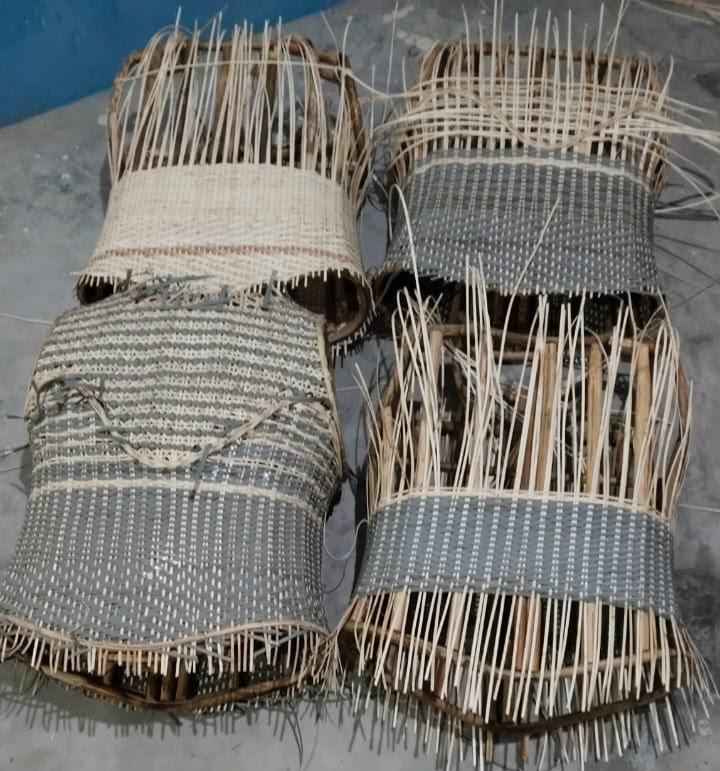
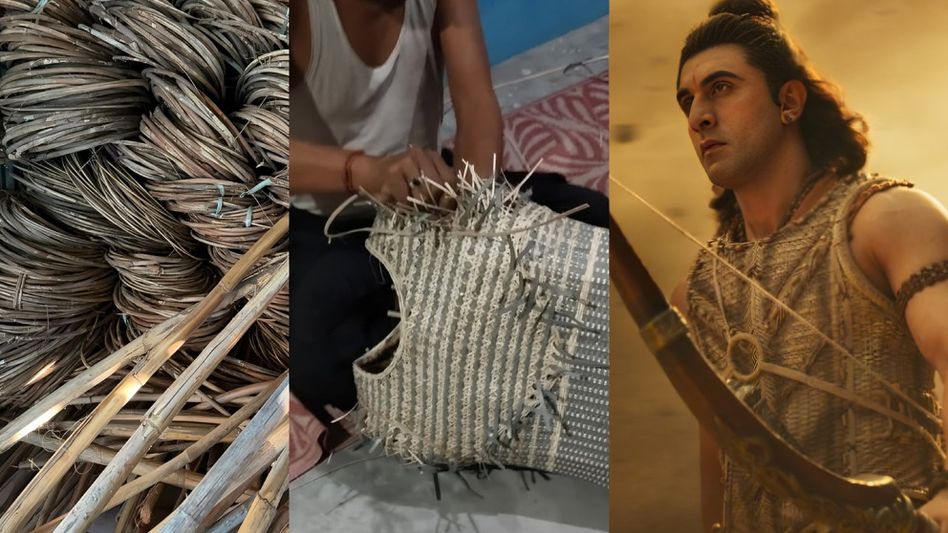
For the armour designed for Ram and Lakshman in the recently released film Ramayana, the team turned to sarpat cane and jute (morapaat) sourced from Assam. Their search led them to Jaynal Abdin, a craftsman from Barpeta, around two hours from Guwahati, who helped develop the basic structure of the armour. The final product was subsequently completed in Mumbai.
Advertisement

Priyanka Saharia
- Nov 08, 2026,
- Updated Nov 08, 2026, 3:27 PM IST
What began as a search for the right material in Mumbai eventually brought costume designer Ajay Kumar and his team to Assam, where they found the craftsmanship they were looking for in the work of local artisans.
For the armour designed for Ram and Lakshman in the recently released film Ramayana, the team turned to sarpat cane and jute (morapaat) sourced from Assam. Their search led them to Jaynal Abdin, a craftsman from Barpeta, around two hours from Guwahati, who helped develop the basic structure of the armour. The final product was subsequently completed in Mumbai.
Speaking to India Today NE, Kumar recalled how the idea of using cane took shape while his team was conceptualising the costumes for Ram and Lakshman during their vanvaas (exile in the forest).
How did you conceptualise the idea of incorporating Assam's traditional cane craft into the armour featured in Ramayana? What inspired you to explore this particular craft for the project?
Kumar said the team's first consideration was what materials would have been available to Ram and Lakshman during their time in the forest.
"When we started thinking about the armour, our first question was what resources would have been available in the forest during their vanvaas. We looked at the descriptions of armour in the scriptures and considered what materials could have been used during that period. That is how Sarpat cane entered the conversation," he said.
The team was drawn to the properties of the material, particularly its flexibility and ability to take shape around the human body.
Their initial search, however, was in Mumbai. Kumar said they explored furniture-making units in Goregaon and Juhu, hoping to find the right kind of cane craftsmanship. However, they could not find the expertise required to develop a structure that would fit the human body while meeting the design requirements of the armour.
As discussions around the material continued, the team eventually turned its attention to Assam and its traditional cane craftsmanship. This led them to Jaynal Abdin and his team in Barpeta.
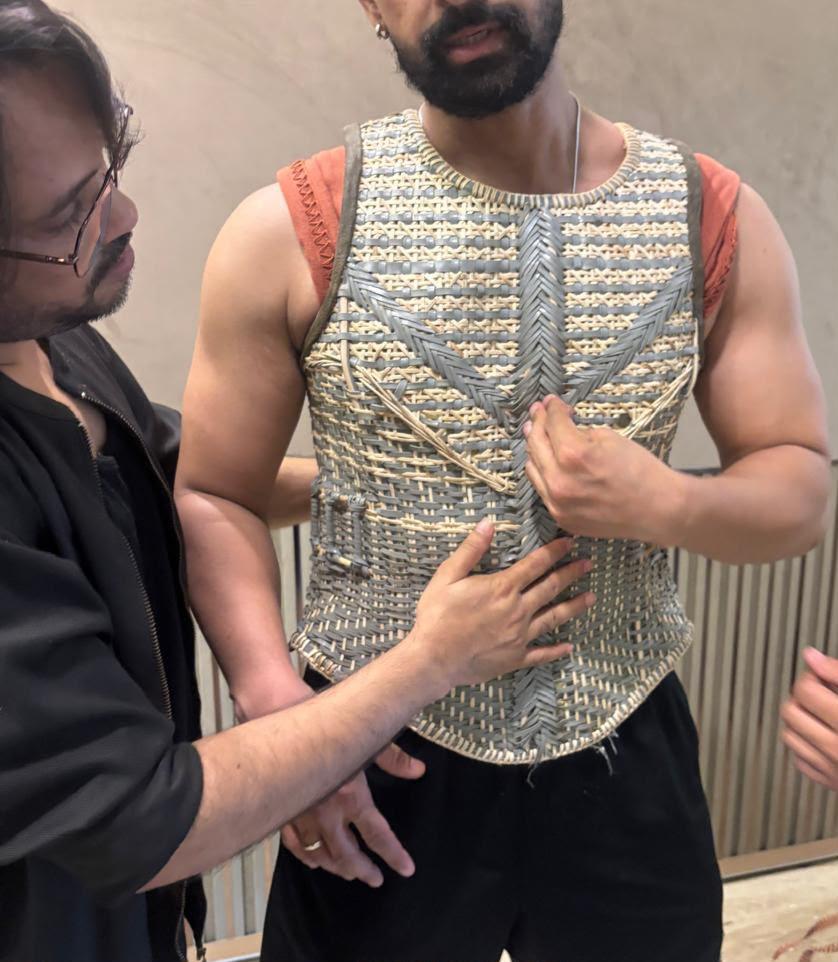
Kumar said Abdin understood the design requirements and helped develop the basic structure through several rounds of sampling. The team experimented with different designs for various sections of the armour, including the chest, upper body and abdomen.
Sarpat cane was used for the basic structure, while jute (morapaat), wooden beads and other decorative elements were incorporated as part of the subsequent design process. After the basic structure was developed in Assam, the final product was completed in Mumbai.
How did you work with the traditional techniques of Assamese cane craftsmanship while ensuring that the armour met the visual and practical requirements of a large-scale cinematic production? Were there any particular challenges, and how long did the process take?
Kumar said the process of developing the armour took more than a month and involved several rounds of sampling and fittings.
One of the biggest challenges was ensuring that the armour was comfortable and safe for the actors, particularly because the film involved action sequences in which they had to run, jump and fight while wearing it.
"Cane can have sharp edges, and our biggest concern was ensuring that the actors would not get hurt while wearing the armour. The edges could potentially injure the neck or arms. We had to work on the finishing and ensure that there were no sharp edges," he said.
The team worked with the artisans and action directors to address these concerns. Rubber padding was incorporated into the inner structure, while the finishing was modified to ensure that the armour would not cause discomfort or injuries during action sequences.
Kumar said the artisans paid particular attention to the design, shape and finishing after learning that their work would feature in Ramayana.
For Kumar, however, the experience of working with Assam's artisans was not just about creating costumes for a film. He sees it as an opportunity to take a traditional craft to audiences who may not otherwise have encountered it.
What does this recognition mean for Assam's traditional artisans and indigenous crafts? Do you see this as an opportunity to bring the region's lesser-known craftsmanship to a wider national and international audience?
Kumar said he plans to take the idea further by incorporating cane armour into one of his own collections in the coming months and showcasing the craftsmanship on international platforms.
"As a costume designer, I feel it is my responsibility to carry forward crafts like these and introduce them to more people. This craft has the potential to go beyond national boundaries. People across the world should see what artisans from Barpeta are capable of creating," he said.
He added that the artisans remain deeply connected to their roots and value recognition for their skills, along with fair compensation that would help them sustain their craft.
"I will not leave any opportunity to promote Assamese crafts. I would definitely like to carry this forward," he said.
Kumar also recalled the warmth and hospitality he experienced during his visits to Assam. He spoke about listening to Zubeen Garg's songs while travelling through the state and said he could feel the singer's absence during his subsequent visit.
Remembering his interaction with Abdin, Kumar said the craftsman had even offered to prepare things in advance if the team informed him before their next visit.
For Kumar, the experience was a reminder that while the work itself is important, the humility and warmth of the people involved make a lasting impression.
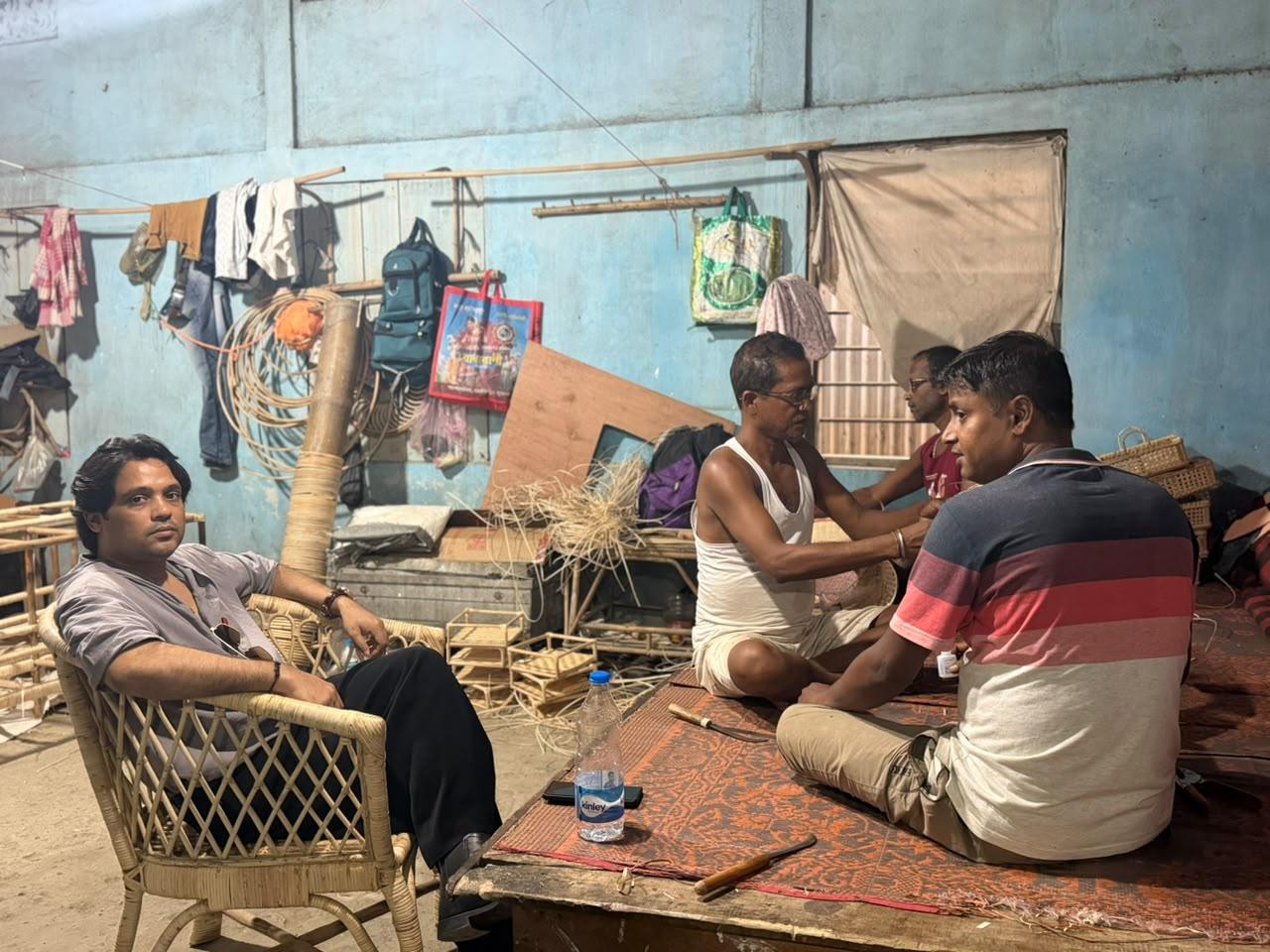
Assam has a long tradition of cane and bamboo craftsmanship, with artisans using these natural materials to make furniture, household articles, baskets, mats and decorative products. The use of Sarpat cane, and jute in the Ramayana armour brings these traditional skills into a contemporary cinematic setting, creating an opportunity for artisans from the state to take their craftsmanship to a wider audience.
POST A COMMENT