Livestock protection emerges as major challenge as Assam floodwaters recede
As floodwaters recede in eastern Assam, protecting livestock has become a central recovery task. Government teams and NGOs say feed, shelter and veterinary care remain urgently needed.
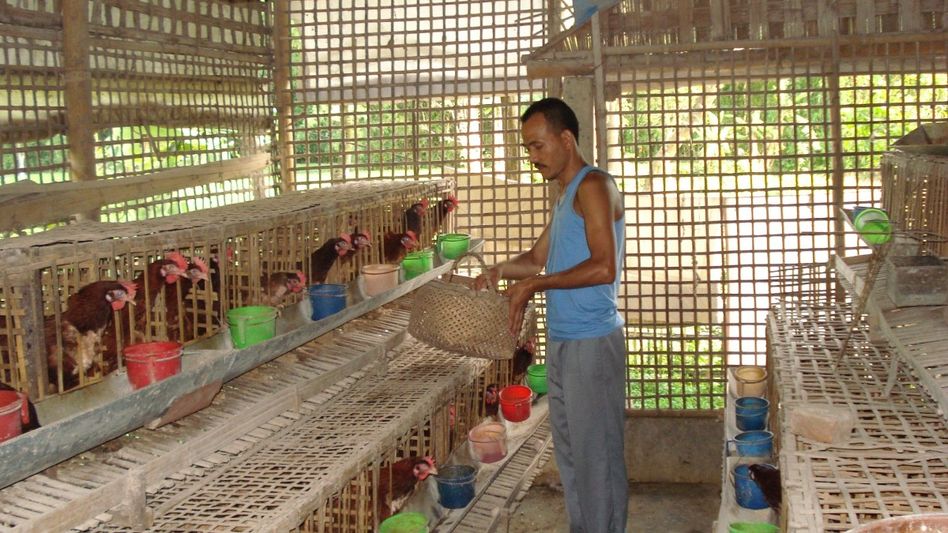

- Jul 28, 2026,
- Updated Jul 28, 2026, 6:53 PM IST

- Thousands of affected families remain dependent on cattle, goats, buffaloes and poultry
- State teams and NGOs are supplying fodder, medicines and emergency veterinary care
- Relief operations in Sivasagar include treatment drives and tarpaulin support
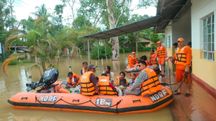
As eastern Assam recovers from one of its worst flood disasters in recent years, protecting livestock has emerged as a major challenge, with thousands of flood-affected families dependent on cattle, buffaloes, goats and poultry for their livelihoods.
The Assam government, through the Animal Husbandry and Veterinary Department, has been providing fodder, veterinary care and emergency medical support to affected animals, while several non-governmental organisations (NGOs) have joined relief efforts on the ground.
Animal Husbandry and Veterinary Minister Nilima Devi said the government remains committed to safeguarding livestock during the crisis. She said the department is supplying essential feed and veterinary assistance in flood-hit areas, particularly in Sivasagar district.
The minister also appreciated the efforts of volunteers from NGOs, including Ahimsa Helping Hands for Paws Foundation and Parvah, for providing food, medicines and care to cows, dogs, cats, goats, pigs and other animals stranded in flood-affected areas.
Meanwhile, Humane World for Animals India, in collaboration with the state Veterinary Department and local NGO Just Be Friendly, has launched emergency relief operations in Sivasagar district. The organisation is conducting veterinary medical camps, treating injured and sick animals, distributing medicines and supplying tarpaulin sheets to livestock-owning families for temporary shelter.
Jaihari A. K., Senior Specialist (Disaster Response) at Humane World for Animals India, said relief teams found animals in Gaurisagar and Nazira suffering from dehydration, malnutrition and prolonged exposure to floodwaters.
He noted that many dogs were in poor condition, while buffaloes and other farm animals were forced to feed in contaminated water and thick sludge due to the lack of grazing land after floodwaters receded.
Jaihari said that although the Animal Husbandry Department is providing around 1.5 kg of feed per animal daily, large animals require at least 3–4 kg of dry feed along with green fodder.
He highlighted the lack of safe temporary shelters as another major concern, with many families choosing to stay near their homes instead of shifting to relief camps to care for their livestock.
According to relief workers, animals are currently vulnerable to diarrhoea, respiratory infections, skin and hoof diseases, parasitic infestations and vector-borne illnesses due to prolonged exposure to damp conditions and mosquito breeding.
Veterinary teams are providing fluid therapy, wound dressing, anti-inflammatory medicines, vitamin supplements and other emergency treatments. Relief agencies said continued veterinary care, disease surveillance, adequate feed supply and temporary shelter remain critical priorities in the post-flood recovery phase.