NBCC raises constitutional concerns over calls for Bodos to declare Bathouism as religion
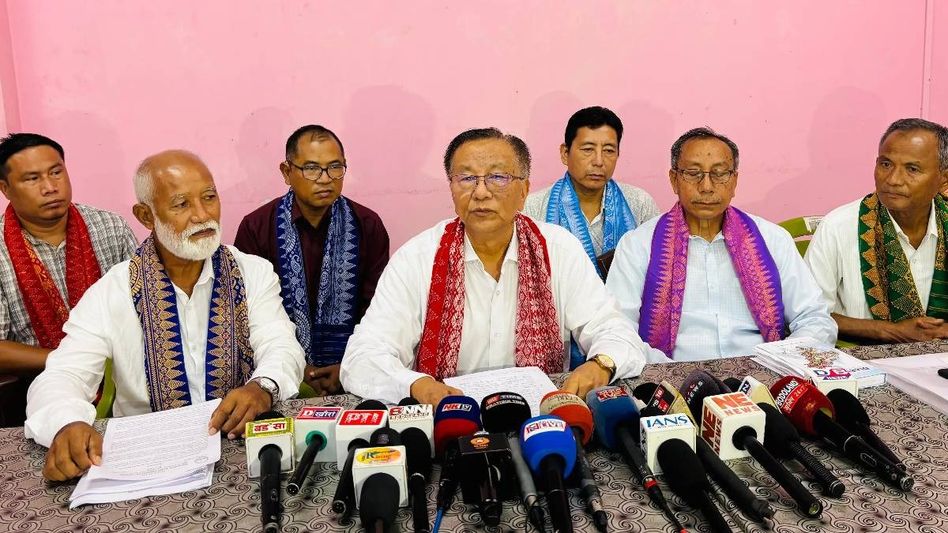
The National Boro Christian Council (NBCC) has raised constitutional, legal and ethical concerns over recent appeals by some organisations urging all Bodos, irrespective of their religious faith, to declare Bathouism as their religion in the upcoming Census and official records.

- Aug 10, 2026,
- Updated Aug 10, 2026, 10:37 PM IST

The National Boro Christian Council (NBCC) has raised constitutional, legal and ethical concerns over recent appeals by some organisations urging all Bodos, irrespective of their religious faith, to declare Bathouism as their religion in the upcoming Census and official records.
While welcoming the recognition of Bathouism as a distinct religion and congratulating the Bathou community, the NBCC said the preservation of indigenous faith, culture and heritage is a legitimate constitutional objective. However, it maintained that individuals should not be asked or pressured to declare a religion that they do not profess.
The Council cited Article 25 of the Constitution, which guarantees freedom of conscience and the right to freely profess, practise and propagate religion. According to the NBCC, this protection also encompasses an individual's right to truthfully state their religious identity in official records.
The Council also referred to Articles 14 and 15 concerning equality and non-discrimination, Article 19(1)(a) on freedom of expression, Article 21 concerning dignity and personal liberty, and Articles 29 and 30 relating to the protection of minority interests.
The NBCC stressed that ethnic identity and religious identity are distinct. It said Bodos, as a Scheduled Tribe, retain their ethnic identity irrespective of whether they practise Bathouism, Christianity, Hinduism, Buddhism, Brahma Dharma, Satsang or another faith.
The Council said the Bodo community has a longstanding tradition of peaceful coexistence among people following different religions and expressed concern that appeals for religious uniformity could create confusion and affect communal harmony.
According to the NBCC, several Bodos belonging to Christian and other faiths have expressed concern over the issue, saying they would not be able to truthfully declare Bathouism as their religion when it does not reflect their personal faith.
The Council maintained that the preservation and promotion of Bodo culture and heritage do not require religious uniformity. It urged organisations, civil society groups and community leaders to uphold constitutional principles of liberty, equality and mutual respect.
The NBCC also appealed against any form of social pressure or backlash against individuals who choose to declare their religion truthfully in the Census or official documents.
Referring to Article 51A(e) of the Constitution, which calls upon citizens to promote harmony and the spirit of common brotherhood, the Council called for simultaneous protection of constitutional freedoms and Bodo cultural heritage.
The NBCC reiterated its position through the message: “One Ethnicity, Many Faiths, One Future.”