New Gecko species discovered near Raimona National Park, spotlight on Assam’s hidden biodiversity
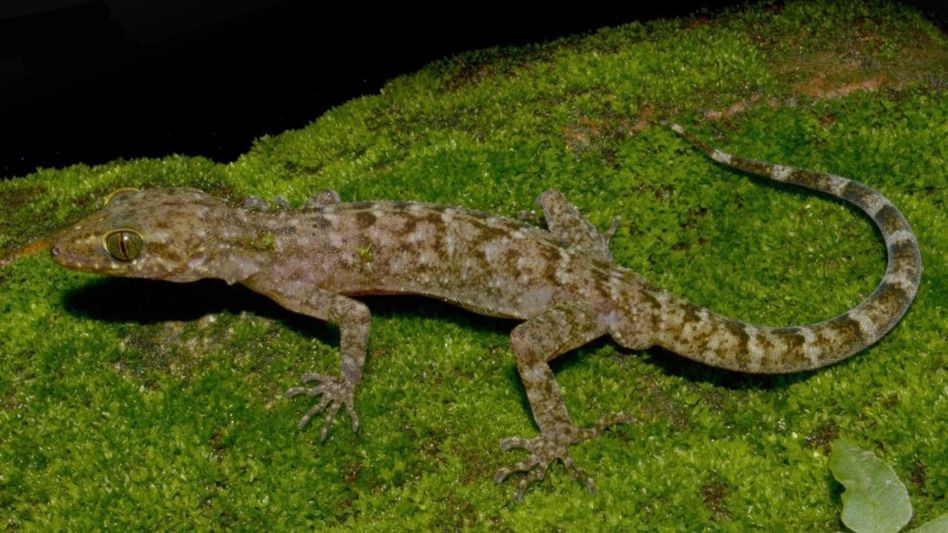
In a significant scientific breakthrough, researchers have discovered a new species of bent-toed gecko, Cyrtodactylus raimonaensis, in the Kachugaon region of Kokrajhar district near Raimona National Park.

- Apr 13, 2026,
- Updated Apr 13, 2026, 12:23 PM IST

In a significant scientific breakthrough, researchers have discovered a new species of bent-toed gecko, Cyrtodactylus raimonaensis, in the Kachugaon region of Kokrajhar district near Raimona National Park.
The discovery has brought renewed attention to the rich yet largely unexplored biodiversity of the park, which lies along the foothills of the Eastern Himalayas. Scientists say the finding underscores the ecological importance of the region, which forms part of the globally significant Indo-Burma biodiversity hotspot.
The newly identified species belongs to the Cyrtodactylus genus, one of the most diverse groups of geckos distributed across South and Southeast Asia. Researchers involved in the study noted that Cyrtodactylus raimonaensis exhibits distinct morphological characteristics that clearly differentiate it from other known species, marking it as an important addition to India’s reptilian fauna.
The forests surrounding Raimona National Park, known for their dense vegetation and diverse microhabitats, provide ideal conditions for such elusive and lesser-known species to thrive. Scientists believe that the region still holds vast untapped biological wealth waiting to be documented.
Also Read: Watch | Assam's Kaliabor village keeps Goru Bihu traditions alive with handmade ropes
“This discovery underscores how little we still know about the biodiversity of this region. Raimona is emerging as a critical habitat with immense scientific value,” a researcher associated with the study said.
Declared a national park in 2021, Raimona is among Assam’s newest protected areas and has since drawn increasing attention from conservationists and researchers for its rich flora and fauna, including several rare and endemic species.
Environmental experts have stressed that such findings strengthen the case for enhanced conservation measures and sustained scientific exploration in the region. They believe that continued field studies could lead to the discovery of many more unknown species, contributing significantly to global biodiversity records.
The identification of Cyrtodactylus raimonaensis not only adds to Assam’s growing list of documented wildlife but also highlights the urgent need to preserve the fragile ecosystems of Northeast India, much of which remains scientifically unexplored.