
No Nipah virus case reported in Tripura, says health department
The Tripura Health Department on January 16 clarified that no case of Nipah virus infection has been detected in the state and that all necessary precautionary measures are in place to prevent the spread of the disease.

- Jan 16, 2026,
- Updated Jan 16, 2026, 4:11 PM IST

The Tripura Health Department on January 16 clarified that no case of Nipah virus infection has been detected in the state and that all necessary precautionary measures are in place to prevent the spread of the disease.
Mission Director of the National Health Mission (NHM), Saju Waheed A, said the state government is closely monitoring the situation, particularly in view of recent Nipah virus cases reported from other parts of the country. He stressed that while the virus can cause serious zoonotic disease, human infections remain rare and can largely be prevented through timely awareness and precautionary behaviour.
Waheed said preventive measures and public awareness are crucial to ensure early detection and containment. He added that the health department is fully prepared to respond to any eventuality.
Head of the Department of Microbiology at Agartala Government Medical College (AGMC), Dr Tapan Majumder, said Nipah virus cases in India have largely been reported from Kerala since 2018, with the most recent outbreak recorded in July 2025 in the Palakkad and Malappuram districts. He noted that two cases have also been reported from West Bengal, but Tripura remains unaffected.
“There is no case of Nipah infection or any kind of outbreak in Tripura. The Health Department is fully prepared and has taken all preventive and preparedness measures,” Dr Majumder said.
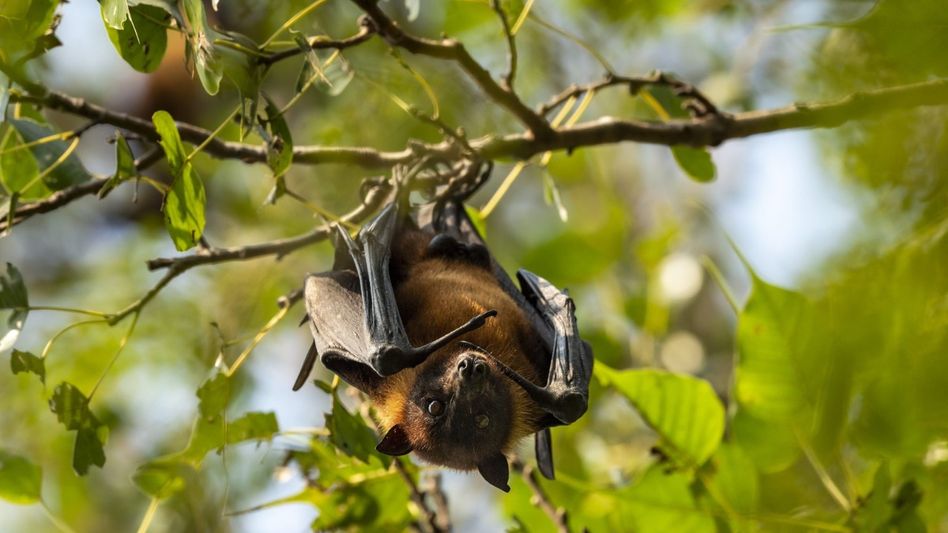
Explaining the mode of transmission, he said the virus can spread through consumption of raw or unprocessed date palm sap, fruits contaminated by bats, close contact with infected persons, or due to poor infection control practices in healthcare settings.
Dr Majumder said common symptoms include fever, headache, body ache, vomiting, weakness and breathing difficulties. In severe cases, the infection can lead to encephalitis, causing confusion, seizures or unconsciousness.
“There is no specific treatment for Nipah virus. Management is limited to intensive supportive care, which makes prevention the most important step,” he said.
The health department has advised citizens to avoid raw date palm sap or toddy, consume only properly washed and peeled fruits, maintain hand hygiene, avoid contact with sick persons and strictly follow health advisories.
Dr Majumder further said surveillance, hospital preparedness, isolation facilities and infection control protocols have been strengthened, and healthcare personnel are being trained to detect and manage suspected cases at an early stage.
Urging people not to panic, he said citizens should rely only on verified information and cooperate with health authorities to ensure public safety.
MORE NEWS










Copyright©2026 Living Media India Limited. For reprint rights: Syndications Today
