
Pygmy hogs return to Assam's Manas grasslands after nine years without sightings
Fifteen captive-bred pygmy hogs were released into Manas National Park's Kuribeel grasslands on Sunday. The reintroduction returns the species to a site without confirmed sightings for nine years and advances a long-term recovery plan.

- Jun 07, 2026,
- Updated Jun 07, 2026, 1:14 PM IST

- Nine females and six males were reintroduced under the conservation programme
- The site last yielded six founder animals for captive breeding in 1996
- This was Manas' sixth release since 2020, taking reintroductions there to 78
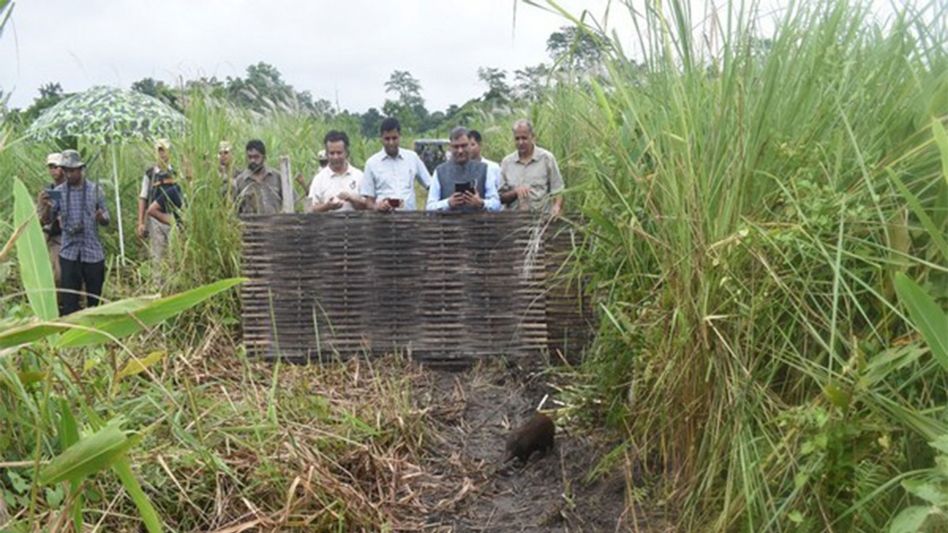
Fifteen captive-bred pygmy hogs were released into the Kuribeel grasslands of Manas National Park on June 7, marking a significant step in the recovery of one of the world's rarest mammals.
The release, carried out under the Pygmy Hog Conservation Programme (PHCP), saw nine females and six males returned to a site that holds special significance for the species. Nearly three decades ago, in 1996, six pygmy hogs were captured from the same grasslands to establish a conservation breeding population aimed at preventing the species' extinction.
The latest release is the sixth such effort in Manas since 2020 and takes the total number of pygmy hogs reintroduced into the park to 78. Conservationists now plan to release around 80 more animals over the next five years, with the long-term goal of establishing a wild population of about 300 pygmy hogs in the landscape by 2040.
Officials said the release represents a major milestone as there have been no confirmed sightings of pygmy hogs in the Kuribeel grasslands for the past nine years. The return of the animals to their historical habitat follows eight years of grassland restoration and protection measures undertaken by the PHCP in collaboration with the Assam Forest Department and local communities.
The programme has played a crucial role in rescuing the pygmy hog (Porcula salvania), the world's smallest and rarest wild pig, from the brink of extinction. Once feared extinct, the species was rediscovered in the 1970s and remains threatened by habitat loss, invasive plant species and human disturbance.
The release was attended by senior forest officials, including Principal Chief Conservator of Forests (Wildlife) and Chief Wildlife Warden of Assam Vinay Gupta, Additional Principal Chief Conservator of Forests Suman Mohapatra, Manas Tiger Reserve Field Director C Ramesh and other officials.
Gupta described the reintroduction as a "remarkable conservation achievement", saying such efforts are essential for restoring grassland ecosystems and safeguarding threatened species. He expressed hope that Manas would support a stable and self-sustaining pygmy hog population in the future.
Mohapatra said the return of the species reflected the success of habitat restoration and collaborative conservation efforts, while also indicating improving ecological health in Manas' grasslands.
The PHCP, a partnership involving the Assam Forest Department, Durrell Wildlife Conservation Trust, the IUCN SSC Wild Pig Specialist Group, Ecosystems-India and Aaranyak, has so far bred and released 194 pygmy hogs across Assam.
One of its biggest successes has been in Orang National Park, where 59 captive-bred pygmy hogs were released. The population there is now estimated at around 200 animals and is believed to consist entirely of wild-born individuals.
According to conservationists, Manas contains some of the largest remaining grassland habitats in the sub-Himalayan region. These ecosystems support specialised wildlife, store water and contribute to the livelihoods of communities living around the park.
Officials said the future survival of the endangered pygmy hog depends on continued habitat restoration, scientific grassland management and sustained conservation efforts across Assam's protected areas.


