Ruling alliance dominates women MLAs: 5 in NDA vs just 1 in opposition in Assam Assembly
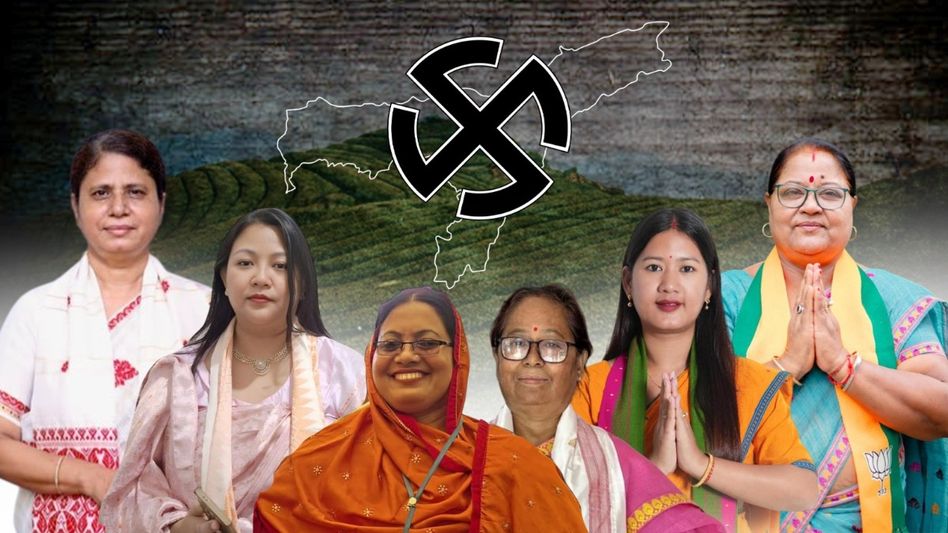
Women’s representation in the 2026 Assam Assembly remains sharply skewed in favour of the ruling alliance, with five of the six elected women legislators belonging to the NDA bloc and only one from the opposition benches.

- May 05, 2026,
- Updated May 05, 2026, 1:31 PM IST

Women’s representation in the 2026 Assam Assembly remains sharply skewed in favour of the ruling alliance, with five of the six elected women legislators belonging to the NDA bloc and only one from the opposition benches.
Of the total 126 members in the Assam Legislative Assembly, just six are women, accounting for around 4.8% of the House.
Significantly, five of them are from the ruling alliance led by the Bharatiya Janata Party, underlining both the alliance’s electoral dominance and its disproportionate share of women representatives.
Within the ruling camp, the BJP has three women MLAs — Nilima Devi (Mangaldai), Rupali Langthasa (Haflong), and Ajanta Neog (Golaghat). Its allies, the Asom Gana Parishad and the Bodoland Peoples Front, have one woman MLA each — Diptimayee Choudhury (Bongaigaon) and Sewli Mohilary (Kokrajhar), respectively.
Also Read: Congress falls short of LoP status in Assam despite alliance numbers
In contrast, the opposition presence among women legislators is limited to just one seat, with Baby Begum representing the Indian National Congress from Dhubri.
This is despite the Congress securing 19 seats overall, reflecting a stark imbalance in gender representation within the opposition ranks.
The contrast highlights a broader structural issue in Assam politics, where women remain significantly underrepresented across party lines.
Even as the ruling alliance has expanded its footprint decisively across the state, the overall number of women candidates translating electoral contests into victories remains low.
The composition of the new Assembly thus mirrors a familiar pattern — strong mandates and sweeping victories have not translated into proportionate inclusion, leaving women with a marginal voice in the state’s legislative process.