
Sarbananda Sonowal lays foundation for India’s first riverine lighthouses at Pandu, Bogibeel, Silghat and Biswanath Ghat
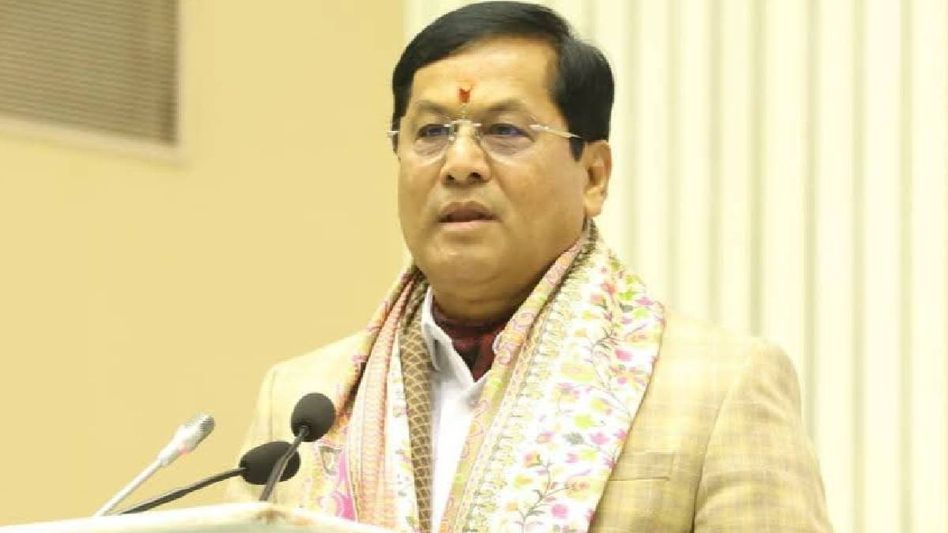
Union Minister for Ports, Shipping and Waterways Sarbananda Sonowal laid the foundation stones for four river lighthouses along the Brahmaputra River at a ceremony held at Lachit Ghat on Thursday, March 5. The project marks the first time that lighthouse infrastructure will be established on an inland waterway in India.

- Mar 05, 2026,
- Updated Mar 05, 2026, 3:01 PM IST

Union Minister for Ports, Shipping and Waterways Sarbananda Sonowal laid the foundation stones for four river lighthouses along the Brahmaputra River at a ceremony held at Lachit Ghat on Thursday, March 5. The project marks the first time that lighthouse infrastructure will be established on an inland waterway in India.
The initiative will see lighthouses built at Pandu in Kamrup (Metro) district, Bogibeel, Silghat and Biswanath Ghat. These strategic locations lie along the National Waterway 2, one of India’s most important inland cargo and passenger routes.
The Rs 84-crore project is being implemented by the Directorate General of Lighthouses and Lightships in collaboration with the Inland Waterways Authority of India under the Ministry of Ports, Shipping and Waterways. Each lighthouse will rise approximately 20 metres high and operate entirely on solar power, with a geographical range of 14 nautical miles and a luminous range of 8–10 nautical miles to assist vessels navigating the river.
Beyond their navigational role, the lighthouses are also being developed as tourism hubs. Each site will feature public amenities including a museum, amphitheatre, cafeteria, children’s play area, souvenir shop and landscaped open spaces, positioning them as recreational landmarks along the Brahmaputra corridor.
The project comes at a time when cargo traffic on the Brahmaputra waterway has been witnessing rapid growth. According to the Inland Waterways Authority of India, cargo movement on National Waterway-2 registered a 53 per cent surge during the financial year 2024–25, reflecting increasing reliance on river transport for industries such as tea, coal and fertilisers in Assam and the wider Northeast.
Addressing the gathering, Sonowal said the initiative would enable round-the-clock safe navigation and strengthen the region’s logistics ecosystem.
“Inland waterways are not merely an alternative to roads and railways but are emerging as a powerful multiplier for our economy under the leadership of Prime Minister Narendra Modi. Moving freight by water costs a fraction of road transport, generates far less carbon emissions and frees highways for passengers and time-sensitive cargo,” the minister said.
He added that the riverine lighthouses symbolise India’s intent to fully utilise its rivers for economic development. “These lighthouses on the Brahmaputra are a statement that India’s rivers are open for business round the clock,” Sonowal noted.
The event was attended by Assam ministers Ranjeet Kumar Dass, Charan Boro and Jayanta Mallabaruah, along with Guwahati Member of Parliament Bijuli Kalita Medhi and East Guwahati MLA Siddhartha Bhattacharya. Senior officials from the ministry and maritime authorities were also present.
Sonowal emphasised that activating the Brahmaputra as a major freight corridor is crucial for the Northeast, where terrain and heavy traffic often strain road infrastructure.
“Moving a tonne of cargo by inland waterway costs roughly one-third of road transport and about half of rail. For Northeast India, harnessing the Brahmaputra as a full-scale freight corridor is not a choice but a necessity,” he said.
The lighthouses are expected to remove one of the key limitations of river transport—restricted night navigation—by providing reliable visual navigation aids and weather observation sensors.
Stretching 891 kilometres from Dhubri in West Bengal to Sadiya in Upper Assam, National Waterway-2 forms the longest navigable inland waterway stretch in India and passes through the heart of the Northeast. With the upcoming lighthouse network, the government aims to replicate the navigational safety infrastructure traditionally found along India’s coastlines on its major inland waterways as well.
The four lighthouse projects are scheduled for completion within 24 months after the award of contracts, marking the beginning of a broader push to modernise inland navigation infrastructure across the country’s river systems.
MORE NEWS












Copyright©2026 Living Media India Limited. For reprint rights: Syndications Today
