
Silent killers on city roads: Unregulated e-rickshaws emerge as a growing safety and legal crisis
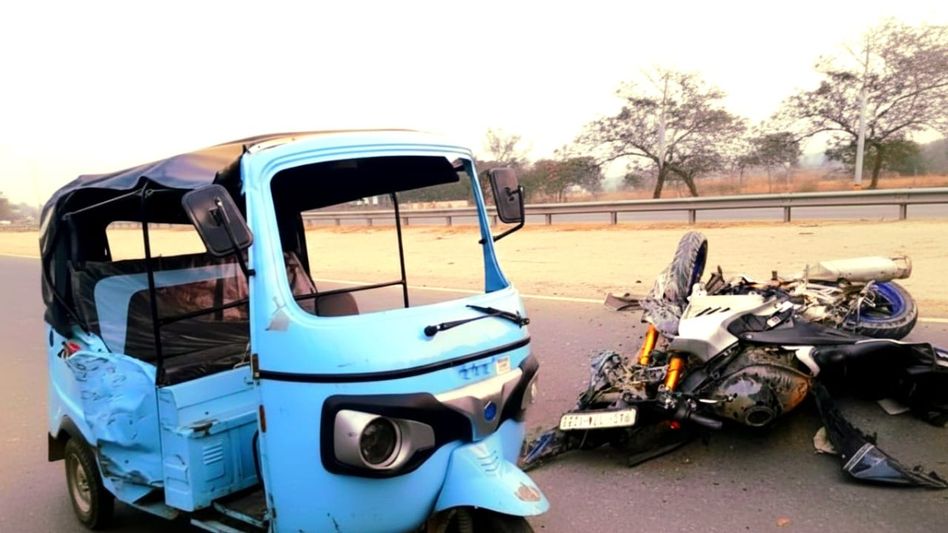
Once promoted as a clean and affordable solution for last-mile connectivity, e-rickshaws are increasingly being flagged as a major road safety and legal concern across Indian cities and towns. Rapid, largely unregulated growth of these battery-operated vehicles has turned many urban roads into potential danger zones, raising serious questions about enforcement, accountability, and public safety.

- Jan 25, 2026,
- Updated Jan 25, 2026, 12:35 PM IST

Once promoted as a clean and affordable solution for last-mile connectivity, e-rickshaws are increasingly being flagged as a major road safety and legal concern across Indian cities and towns. Rapid, largely unregulated growth of these battery-operated vehicles has turned many urban roads into potential danger zones, raising serious questions about enforcement, accountability, and public safety.
Over the past few years, the number of e-rickshaws has surged exponentially, far outpacing the capacity of urban planning frameworks and traffic regulation mechanisms. From congested residential lanes to high-speed national highways, e-rickshaws are now seen operating with minimal oversight, often in conditions they were never designed for.
Though meant strictly for short-distance, low-speed travel, these vehicles are frequently found sharing space with buses, trucks, and fast-moving traffic. Experts warn that their lightweight build and structural instability, coupled with the widespread absence of formal driver training, have made them particularly vulnerable in collisions. In several cases, drivers are reportedly underage or lack basic road safety awareness.
Perhaps the most alarming dimension of the crisis is the widespread absence of mandatory third-party insurance and valid registration among e-rickshaws. Legal experts say this has created a dangerous “insurance vacuum,” leaving accident victims and their families without any meaningful avenue for compensation.
In cases that reach the Motor Accident Claims Tribunal (MACT), the legal process often ends in frustration. With no insurance cover in place, there is no insurer to honour court-mandated compensation. Vehicle owners, typically from economically weaker backgrounds, often lack the financial capacity to pay damages, effectively rendering tribunal awards unenforceable.
“The tragedy is not just the accident itself but what follows,” said a legal expert familiar with MACT proceedings. “Without mandatory insurance, fitness certification, and proper registration at the point of sale, the victim’s family is left with paperwork instead of justice.”
The unchecked spread of e-rickshaws has also worsened conditions for pedestrians. In many towns, footpaths have disappeared, and shared road spaces have become increasingly chaotic. Urban residents complain that walkability and pedestrian safety have taken a back seat to unplanned, vehicle-centric growth, making daily commutes both hazardous and exhausting.
Despite widespread awareness within transport departments and traffic police about the risks posed by unregulated e-rickshaws, enforcement remains inconsistent. Critics say there is an urgent need for a comprehensive policy framework that clearly restricts these vehicles from high-speed corridors, mandates insurance and fitness certification, and ensures accountability in the event of accidents.
Safety advocates argue that the government’s continued reluctance to formally integrate e-rickshaws into the regulated transport ecosystem is proving costly. While the vehicles are often treated as an informal convenience rather than a formal mode of transport, the consequences of regulatory inaction are being borne by ordinary citizens.
Until clear rules are enforced and compliance is ensured, experts warn that Indian roads will remain a gamble for both commuters and pedestrians. For families who lose breadwinners in e-rickshaw-related accidents, the promise of an “eco-friendly” revolution has turned into a devastating financial and emotional burden—one that no battery-powered vehicle was ever meant to create.
MORE NEWS








Copyright©2026 Living Media India Limited. For reprint rights: Syndications Today
