
Tea garden workers' woes could sway Assam assembly polls
Dibrugarh tea estate workers, one of Assam's largest voter groups, brace to influence the state assembly elections with demands for better wages and facilities taking centre stage in Upper Assam.

- Mar 25, 2026,
- Updated Mar 25, 2026, 1:24 PM IST

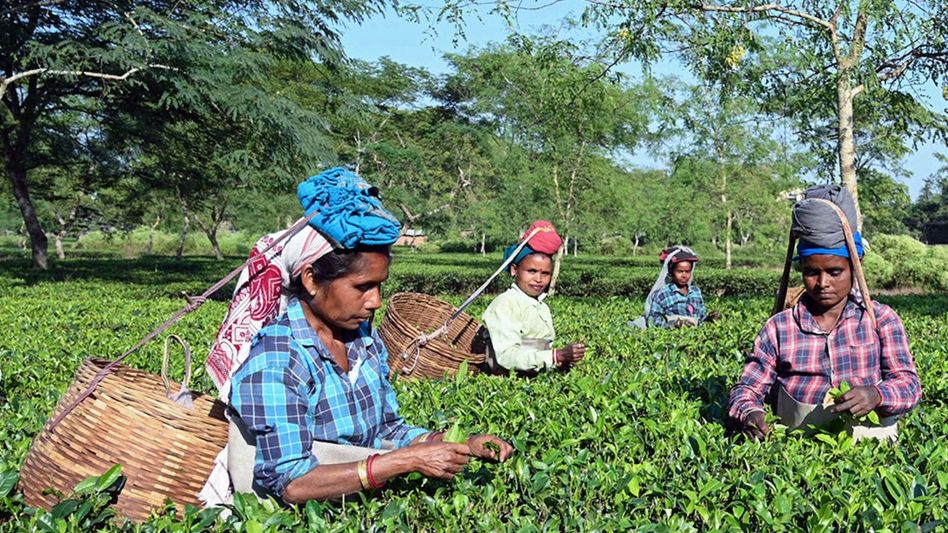
Tea garden workers, among the largest voter groups in Assam, are likely to influence the outcome of the upcoming Assembly elections, with livelihood issues dominating political discourse in Upper Assam’s tea-growing belt.
Workers in estates around Dibrugarh say stagnant wages, rising prices and inadequate basic facilities remain their primary concerns. Many argue that a daily wage of around Rs 250 is insufficient to meet household expenses amid the rising cost of living.
“We work in harsh conditions, under the sun and in the rain. It becomes very difficult as the garden areas develop pits and the ground turns slippery,” said Deepanjali Manki, a worker. “We get Rs 250 a day, which is not enough to run a household.”
Arti, a tea plucker with over a decade of experience, said earnings have failed to keep pace with inflation. “I have been working in tea gardens for 13 years. We still get Rs 250 per day. It is not enough to support a family,” she said, adding that workers often walk long distances on poor roads to reach work.
Women workers, who make up a large section of the workforce, highlighted additional challenges, including long working hours, limited access to healthcare and rising household costs. Many also reported health concerns linked to prolonged labour in difficult conditions.
Supervisory staff echoed similar concerns. Danish Khadiya, a tea estate supervisor, said workers are struggling with increasing expenses, particularly education costs for children. He also pointed to uneven access to welfare measures. “Facilities like ration supply are not uniform across tea gardens,” he said, adding that many workers are yet to receive land rights.
Student body leaders say wage revision remains a central demand. Acharya Sahu, president of the Assam Chah Janjati Chatra Union, said any marginal increase in wages would be offset by inflation. He also flagged gaps in basic infrastructure, including sanitation, road connectivity and the absence of protective gear such as raincoats and boots.
Political leaders have acknowledged the electoral significance of the tea garden community. Chakradhar Gogoi, a candidate from Khowang, said development in tea garden areas would remain a priority, including improvements in electricity, schools, employment and road connectivity.
With a substantial voter base across Upper Assam, tea garden workers and their families are expected to play a decisive role in the polls.
Voting for the 126-member Assam Assembly is scheduled in a single phase on April 9, with counting set for May 4. The election is expected to see a contest between the BJP-led NDA, headed by Chief Minister Himanta Biswa Sarma, and the Congress.
MORE NEWS











Copyright©2026 Living Media India Limited. For reprint rights: Syndications Today
