‘Teach us how to become multi-crorepatis’: Debabrata Saikia’s ‘Aladdin’s Lamp’ jibe at Assam’s wealthy influential individual
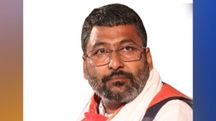
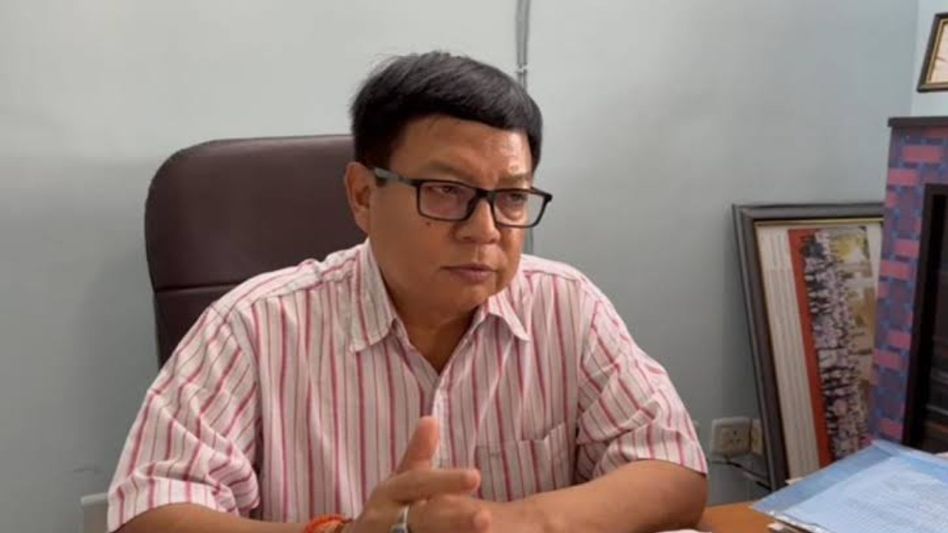
Congress leader Debabrata Saikia has taken a sarcastic swipe at the extraordinary accumulation of wealth by certain influential individuals in Assam, urging Governor Lakshman Prasad Acharya to either order scrutiny of their sources of income or consider inviting them to universities to teach the art of becoming multi-crorepatis.

- Nov 24, 2026,
- Updated Nov 24, 2026, 10:01 PM IST

Congress leader Debabrata Saikia has taken a sarcastic swipe at the extraordinary accumulation of wealth by certain influential individuals in Assam, urging Governor Lakshman Prasad Acharya to either order scrutiny of their sources of income or consider inviting them to universities to teach the art of becoming multi-crorepatis.
In a four-page representation dated November 24, Saikia drew the Governor's attention to what he described as reports of individuals amassing enormous wealth within remarkably short periods despite having no widely known industrial establishments, major commercial enterprises or identifiable sources of income commensurate with their apparent fortunes.
Using the metaphor of Aladdin's magical lamp, Saikia remarked that some reported success stories were so extraordinary that one was tempted to wonder whether these individuals had discovered a way to generate unimaginable riches almost overnight.
While acknowledging that wealth creation itself is not an offence, Saikia argued that disproportionate increases in wealth, particularly among people holding public office or enjoying proximity to political power, warrant independent scrutiny.
"However, when wealth increases disproportionately to known or disclosed sources of income, particularly among those holding public office or enjoying proximity to political power, it becomes a matter deserving independent scrutiny," he stated in the letter.
Saikia proposed two possible responses to such extraordinary financial achievements. If credible evidence points towards unlawful enrichment, he said, the competent authorities should investigate and initiate appropriate legal proceedings. However, if the individuals concerned can establish that their wealth was acquired through legitimate means, their entrepreneurial abilities should be recognised.
Requesting the Governor to consider referring credible allegations to the Income Tax Department, Anti-Corruption and Vigilance authorities, the Enforcement Directorate and other statutory agencies, Saikia said media reports could also be examined to identify specific allegations requiring verification.
He emphasised that media reports should not themselves be treated as proof of wrongdoing, but credible allegations of corruption, money laundering, tax evasion or abuse of public office should be investigated in accordance with the law.
In what appeared to be the most pointed and sarcastic part of his representation, Saikia suggested that individuals who could satisfactorily establish the lawful origins of their extraordinary wealth should be considered for engagement as "Professors of Excellence in Wealth Creation" or invited as distinguished resource persons under university programmes.
Pointing out that the Governor is also the Chancellor of several universities in Assam, Saikia proposed the introduction of a special academic course titled "The Art and Science of Rapid Wealth Creation: How to Become a Multi-Crorepati in a Short Period."
The proposed course, he suggested, should explain how individuals without previously known major industrial or commercial establishments managed to accumulate enormous fortunes within a few years.
It should also examine their investment strategies, business models and financial decisions, while exploring whether similar opportunities are available to unemployed graduates and young entrepreneurs without political connections.
Saikia further suggested that the course should demonstrate how such wealth-creation methods could be replicated transparently and ethically, without access to public office, government patronage or undue influence.
Taking the argument further, he questioned why educated unemployed youths should struggle for years to secure modest employment when some individuals appeared capable of accumulating fortunes within remarkably short periods.
"If these extraordinary success stories reported by the media are true and entirely legitimate, perhaps the universities should invite these modern-day possessors of Aladdin's lamp to explain their methods," he wrote.
Saikia maintained that the issue was not merely about wealth accumulation but also concerned public morality, accountability, equality of opportunity and the credibility of democratic institutions.
He also raised concerns over what he described as unequal scrutiny, arguing that ordinary citizens should not face rigorous examination for relatively minor financial irregularities while individuals enjoying political influence escape scrutiny despite credible questions surrounding their wealth.
"The people of Assam deserve either a credible explanation of these extraordinary fortunes or a credible investigation into their origins," Saikia stated.
He urged the Governor to take cognisance of the matter in his constitutional capacity and consider referring credible complaints to the appropriate authorities for examination.
The representation, while deliberately employing irony and humour, places the question of unexplained wealth and accountability among politically influential individuals at the centre of its appeal.
Saikia, however, did not name any specific individual or provide details of particular assets or financial transactions in the letter.