
Threads of blessings, roots of heritage: The essence of Manuh Bihu
Wrapped in the threads of the Gamusa and blessed by the wisdom of elders, Manuh Bihu continues to safeguard the timeless heritage of Assam
Advertisement

Silpi Rani Kalita
- Apr 13, 2026,
- Updated Apr 13, 2026, 2:48 PM IST
Manuh Bihu, celebrated on the first day of the Assamese month of Bohag after Goru Bihu, is the emotional heart of the Rongali Bihu festivities. While the preceding day honours cattle, integral to Assam’s agrarian life. Manuh Bihu is dedicated to people, relationships, and the continuity of blessings across generations. It marks not just the beginning of the Assamese New Year but also a renewal of familial bonds, respect, and cultural identity.
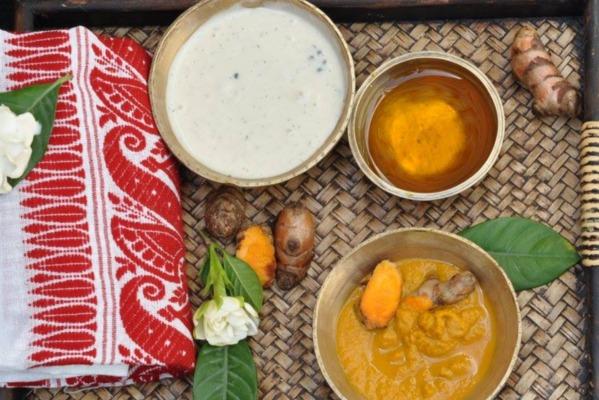
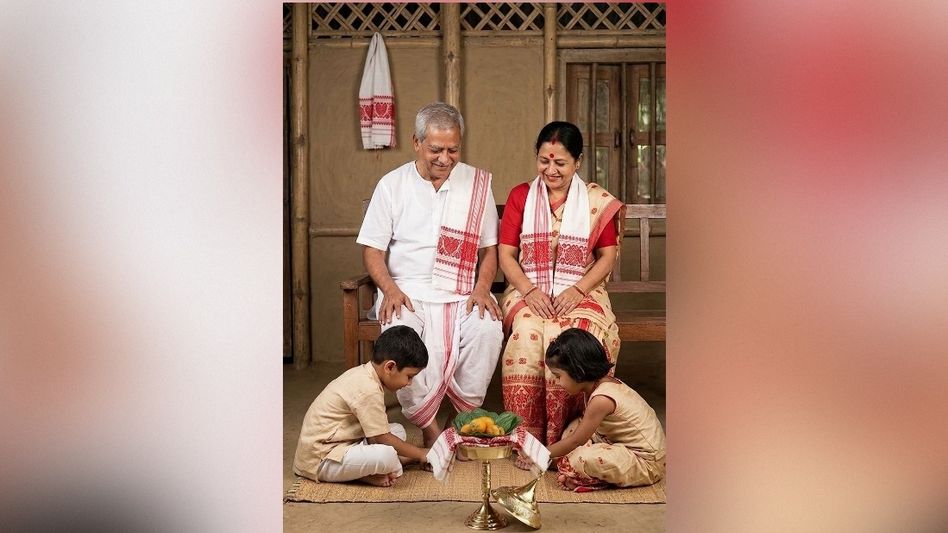
The day typically begins with a traditional maah-halodhi (black lentils and turmeric paste) bath, symbolizing purification and a fresh start to the year. Dressed in new clothes, younger members of the family visit their elders to seek blessings. With humility, they touch the feet of parents, grandparents, and other senior members, expressing gratitude and reverence.
This heartfelt gesture is accompanied by the ceremonial offering of a Bihuwan, gracefully presented on a xorai, a traditional bell-metal tray along with tamul-paan (betel nut and leaf), which symbolize respect, hospitality, and auspiciousness. In return, elders bless the younger generation, often gifting them money or new clothes as tokens of love, prosperity, and goodwill for the year ahead.
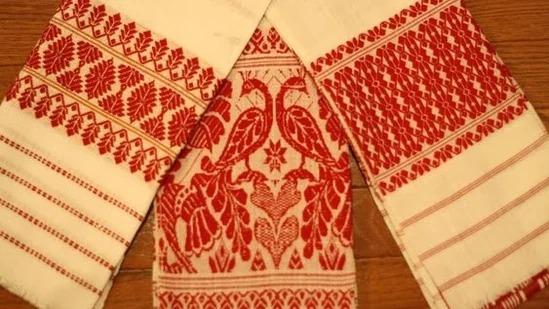
At the centre of this ritual lies the Gamusa, one of the most cherished symbols of Assamese heritage. Far more than a simple piece of cloth, the Gamusa embodies the soul of Assam’s cultural and emotional landscape. Traditionally handwoven on looms by Assamese women, it features a pristine white base adorned with intricate red motifs such as floral patterns, geometric designs, and the iconic jaapi or kolka. Each thread carries stories of affection, respect, and community spirit, making the Gamusa a living testament to Assam’s rich handloom tradition.
The Gamusa holds a deeply special, respectful, and invaluable place in Assamese society. It is offered as a mark of honour to elders, guests, and dignitaries, used in religious rituals, and worn during cultural celebrations. During Manuh Bihu, presenting a Gamusa as a Bihuwan signifies more than a festive exchange, it is an expression of love, gratitude, humility, and the desire to preserve one’s roots. Receiving a Gamusa from a younger family member is considered a moment of pride and emotional connection for elders, reinforcing the unbroken chain of tradition.
In today’s rapidly modernizing world, where digital greetings and urban lifestyles often reshape traditional practices, questions arise about whether such rituals continue to thrive. Encouragingly, personal observations within families and communities reveal that the essence of Manuh Bihu remains vibrant and deeply cherished.
Even when family members live far from their ancestral homes, many make conscious efforts to return during Bohag or recreate the rituals wherever they are. While there may be subtle adaptations such as the use of machine-made Gamusas or virtual exchanges of greetings, the fundamental values of respect and togetherness remain steadfast.
Preserving the traditions of Manuh Bihu is essential for sustaining Assam’s cultural identity. These rituals serve as a bridge between the past and the future, instilling values of humility, gratitude, and belonging in younger generations. By continuing to honour elders and uphold the significance of the Gamusa, Assamese families reaffirm their pride in their heritage and ensure that these customs flourish in the years to come.
Ultimately, Manuh Bihu is not merely a festival it is a celebration of humanity, blessings, and identity. It reminds us that progress and modernity need not come at the cost of tradition. Instead, by embracing our roots with pride, we allow the timeless values of Assamese culture to shine even brighter.
POST A COMMENT