Toxic parthenium weed spreads across Assam's Kaliabor, poses threat to biodiversity and health
Parthenium is spreading quickly from roadsides into gardens and farm fields across Kaliabor. The toxic weed is heightening concerns over biodiversity, crop losses and public health.
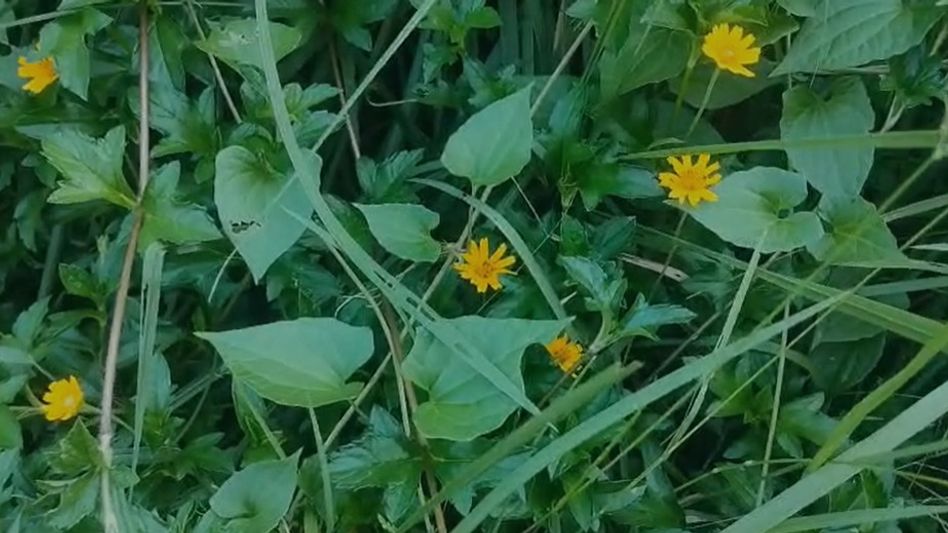

- Aug 28, 2026,
- Updated Aug 28, 2026, 8:37 AM IST

- Roadside growth has now reached home gardens and nearby agricultural fields
- Residents and livestock face increasing exposure as the invasive weed expands
- Parthenium can trigger allergic breathing issues and painful skin inflammation
The rapid spread of the toxic weed Parthenium across various parts of Assam's Kaliabor has raised concerns over its impact on biodiversity, agriculture and public health.
The invasive weed is spreading rapidly from roadside areas to residential gardens and agricultural fields, posing a growing challenge to both humans and livestock. Its increasing presence has also raised concerns over the health of local communities.
Parthenium exposure has been associated with allergic respiratory problems and skin inflammation, while its rapid growth can adversely affect crop production. Controlling and eliminating the weed has emerged as a major challenge in several areas of Kaliabor.
Researcher and professor Chiranjeev Bezbaruah has urged people to exercise caution while using Mahabhringharaj plants as a method for controlling or eliminating Parthenium, stressing the need for awareness regarding its application.