
‘World has a lot to learn from India’: Legal scholar at Guwahati lecture
India’s journey towards its centenary of independence in 2047 should be viewed as more than a historical milestone, with lessons for the world rooted in knowledge, justice and technology, said C Raj Kumar while delivering the 11th Professor Sarat Mahanta Memorial Lecture.
Advertisement

India TodayNE
- May 02, 2026,
- Updated May 02, 2026, 1:01 PM IST
A leading Indian legal academic has argued that India's civilisational and democratic evolution over the past eight decades carries lessons for the rest of the world, as the country moves towards the centenary of its independence in 2047.
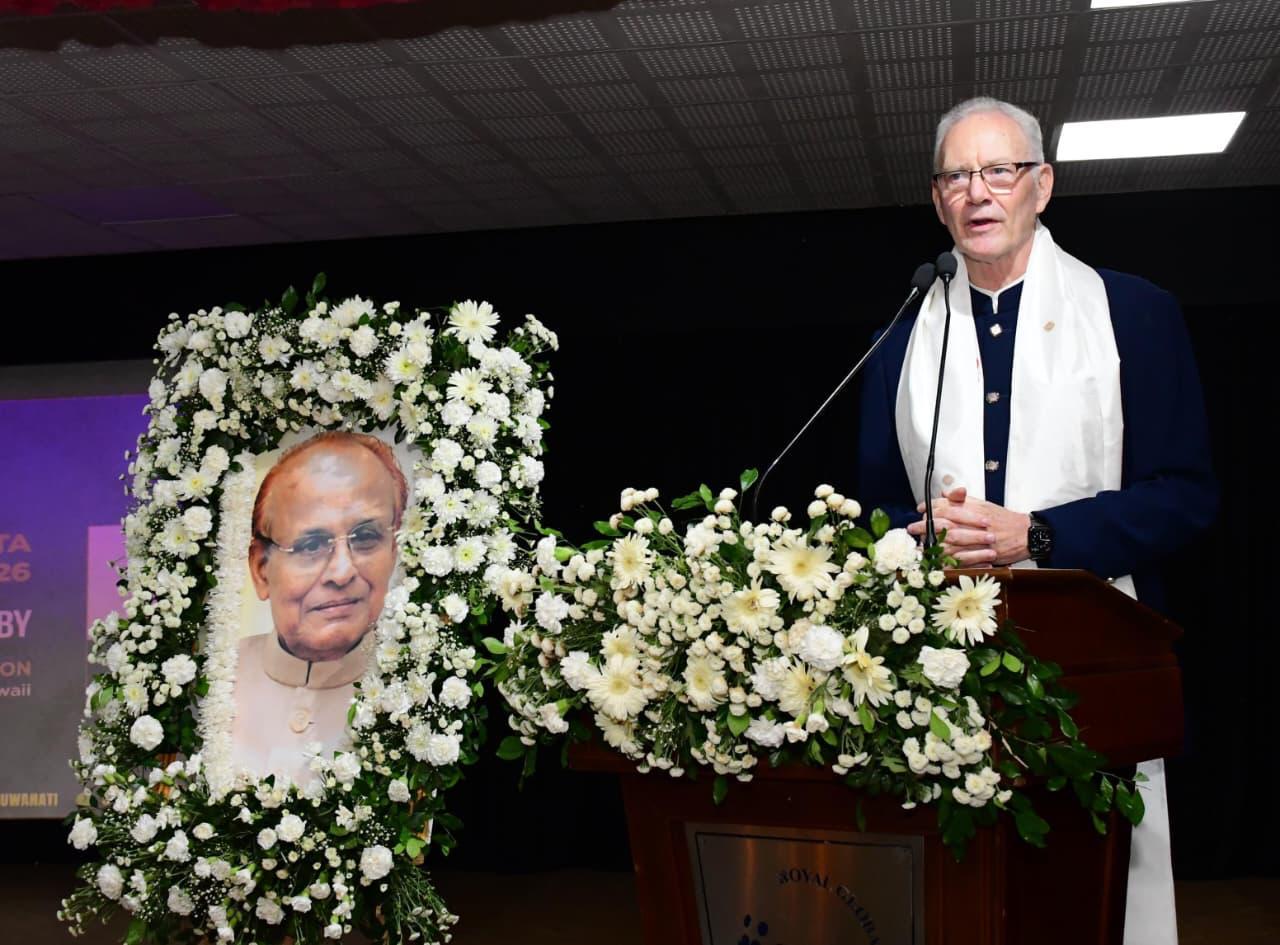
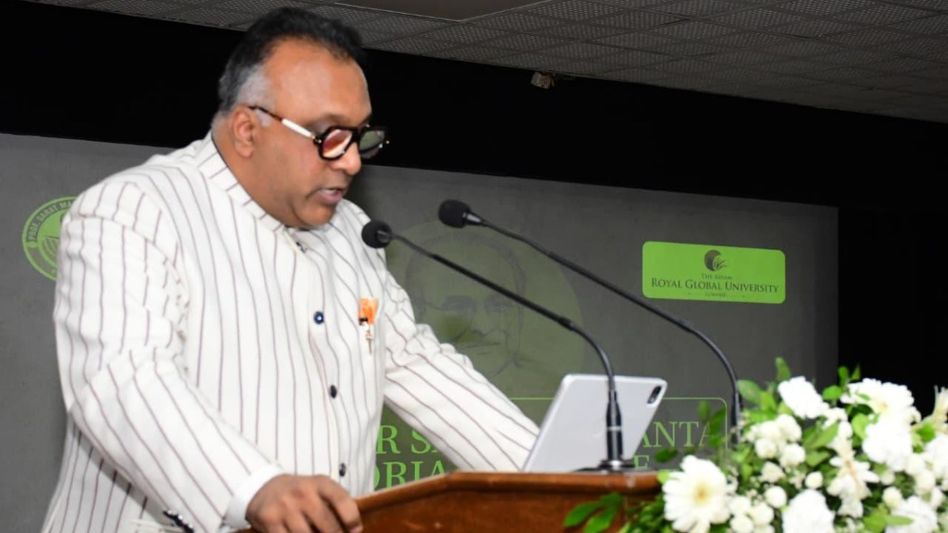
C. Raj Kumar, vice chancellor of OP Jindal Global University, made the case at the 11th Professor Sarat Mahanta Memorial Lecture held at Royal Global University in Guwahati on May 1. The annual lecture, a fixture in Assam's intellectual calendar since 2014, drew students, academics and senior officials, including the state's chief secretary and director general of police.
Kumar, a Rhodes scholar who has studied at Oxford and Harvard and taught law at the City University of Hong Kong, traced India's arc from its ancient civilisational roots through British colonial rule to its constitutional rebirth after 1947. He argued that three pillars — learning, justice and technology — had defined India's past and would determine its future.
"India's journey has been an exemplary blend of its civilisational wisdom with modern institutions of education, justice and technology," he said.
He walked through the key phases of post-independence nation-building: the economic liberalisation of the early 1990s and the sweeping digital transformation of recent years, pointing to India's digital public infrastructure, its startup economy and advances in space technology as markers of a country in transition. By 2047, he said, India was positioned to emerge as a global model that balanced innovation with inclusion and growth with ethical governance.
Assam Governor Lakshman Prasad Acharya delivered the inaugural address, calling on young Indians to translate the vision of "India@100" into reality. "You are the very force that will transform the dream of India@100 into reality," he told students in the auditorium. "It is your vision, your energy and your dedication that will chart the course for this nation's future."
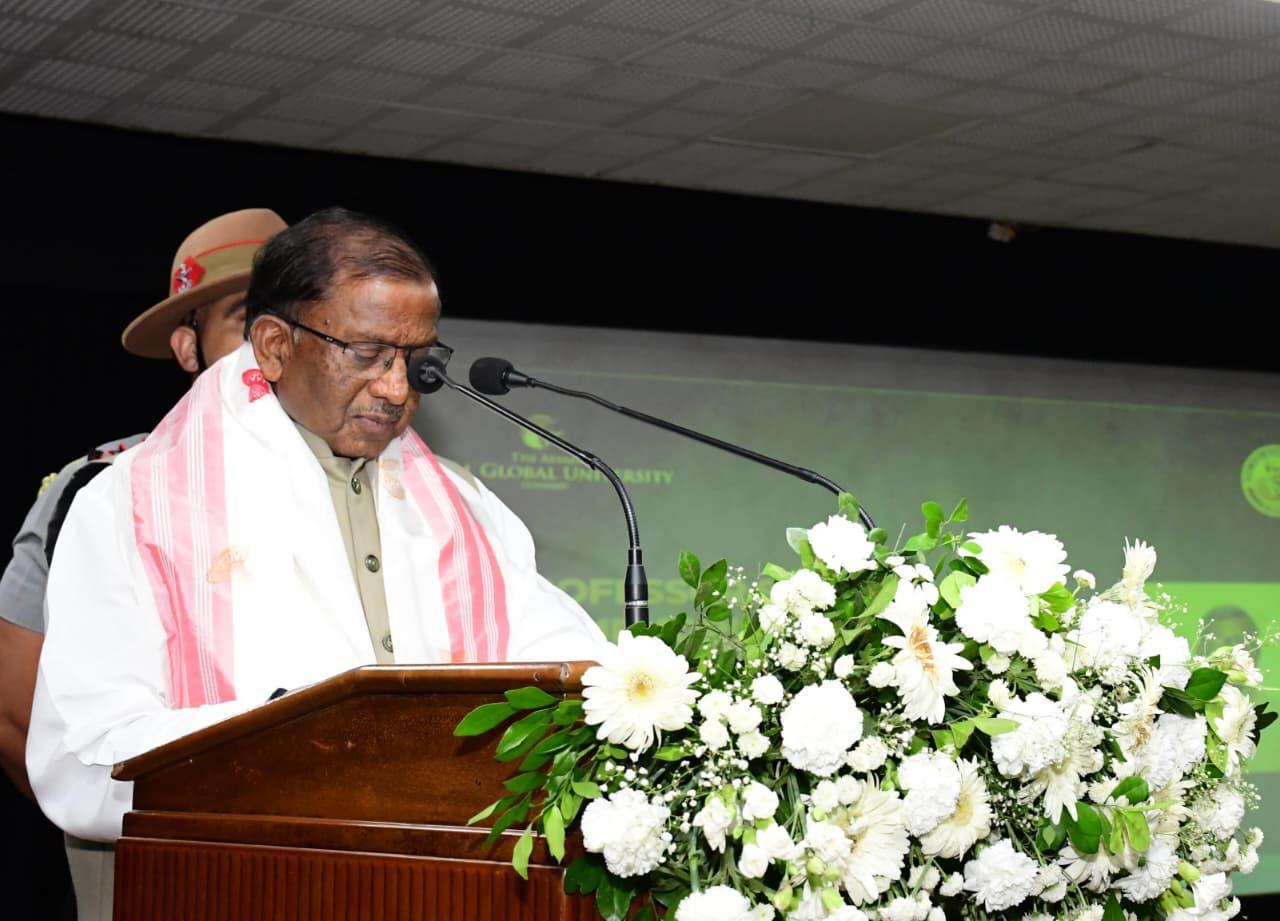
Acharya stressed that justice must be accessible to every section of society and called for a delivery system that is "transparent, accessible and sensitive." He also pointed to artificial intelligence, data analytics and digital platforms as tools that had already begun reshaping both education and justice delivery.
Michael D. Wilson, a former judge of the Supreme Court of Hawaii, offered remarks highlighting India's influence on global jurisprudence and urged a balance between development and environmental conservation.
The event also saw the release of an anthology of poems titled Sambhavami Yuge Yuge, written by Sabyasachi Mahanta.
The memorial lecture series, established by the Prof Sarat Mahanta Foundation, has over the years featured economists, diplomats, politicians and public intellectuals, including Bibek Debroy, Jayant Sinha, Yogendra Yadav and Sanjeev Sanyal.
POST A COMMENT