
Digital payment in India : Growth of UPI and its reach
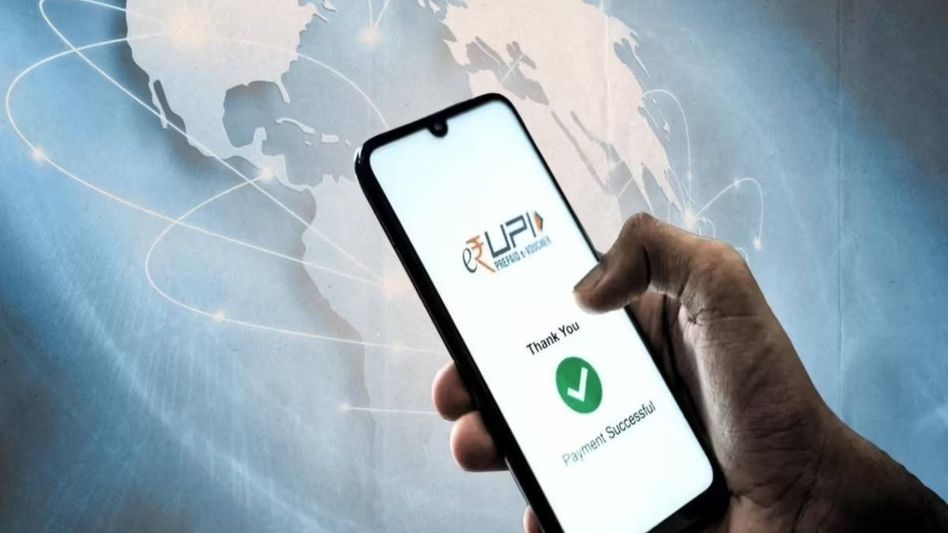
India’s digital payment ecosystem has grown steadily in recent years, with the Unified Payment Interface (UPI) emerging as a key driver. Data released by the National Payments Corporation of India (NPCI) and the Reserve Bank of India (RBI) show a consistent increase in both transaction volume and value, indicating UPI’s growing adoption across regions and sectors.

- Jan 13, 2026,
- Updated Jan 13, 2026, 3:47 PM IST

India’s digital payment ecosystem has grown steadily in recent years, with the Unified Payment Interface (UPI) emerging as a key driver. Data released by the National Payments Corporation of India (NPCI) and the Reserve Bank of India (RBI) show a consistent increase in both transaction volume and value, indicating UPI’s growing adoption across regions and sectors.
The UPI (Unified Payments Interface) is an India real-time payment system development by the National Payments Corporation of India (NPCI) and launched in 2016. It allows instant money transfers between bank accounts using mobile device, streamlining peer to peer(P2P) and merchant (P2M) payments with a simple identifier such as a mobile number or QR code, convenient digital payment infrastructure, all under RBI regulation.
With 21.63 billion transactions (up 29% YoY) valued at 27.97 lakh crore in December 2025, UPI transaction growth in India is still strong and reaching record highs. This indicates strong volume growth driven by wider adoption ( average ticket size falling). Volumes increased to 228.3 billion for the entire year 2025 (from 172.2 billion in 2024), and the total value increased to about ₹300 lakh crore. Because UPI accounts for more than 80% of all digital transaction, it is the foundation of digital payments in India. UPI is a key player in India’s digital payments ecosystem, processing an average of 698 million transaction daily worth nearly ₹90,217 crore. Between FY 2017-18 and FY 2023-24, UPI saw a CAGR of 129 percent in transaction volume and 138 percent in value, and it now accounts for roughly 80-85 percent of the country’s digital payment volumes. Recent growth has been driven primarily by increased user and merchant adoption, transaction frequency, and the widespread use of low-value options such as UPI Lite.
UPI has emerged as a major factor of financial inclusion in rural India, making digital payments more affordable and accessible. Nearly 38%of users in rural and semi-rural areas, particularly those aged 18 to 35, now prefer UPI to cash, thanks to government initiatives such as PMJDY and Direct Benefits Transfers (DBT). While increased digital payments have boosted online shopping and benefited rural sellers and farmers, issues such as awareness, internet connectivity and user trust remain.
Banks are the backbone of the UPI, allowing users to connect their bank accounts to the interoperable payment system.They handle real time fund transfers between accounts, ensure transaction security, and oversee regulatory compliance. Bank are also responsible for resolving failed transaction and protecting customer funds while integrating their systems with the National Payments Corporation of India (NPCI) to ensure seamless UPI operations across the country.
The UPI ecosystem's user-facing layer includes payment applications such as Google Pay, Phone Pe, and BHIM. These apps have simple and intuitive interfaces that allow users to send instant person-to-person (P2P) transfers using mobile numbers or UPI IDs without having to add beneficiaries.They also enable person-to-merchant (P2M) payments via QR codes, allowing for cashless transactions at stores, sellers, and online platforms. Furthermore, UPI apps enable utility and bill payments, such as mobile recharges, electricity bills, loan repayments, and insurance premiums, all through a single application. Users can also link multiple bank accounts to a single app for greater convenience.
UPI transactions in India are protected by multiple layers of security implemented by the NPCI and banks, including end-to-end encryption, device binding, and multi-factor authentication, which combines the UPI PIN, registered device, and biometric verification as needed. The UPI PIN remains a critical safeguard, and it is only required to authorize payments, not to receive funds. Users are also prompted to confirm beneficiary information before confirming transactions. While the system includes built-in safeguards, user awareness is still critical, with banks and regulators repeatedly warning against sharing PINs, responding to phishing attempts, or using unofficial applications. Prompt reporting of suspicious activity and regular app updates are regarded as critical to ensuring transaction security and protecting user funds.
Despite its widespread use, UPI faces a number of operational challenges, including increased cyber security risks such as phishing and fraud, technical glitches caused by high transaction volumes, and gaps in digital and financial literacy, particularly in rural areas. Limited internet connectivity, daily payment transaction caps, and grievance redressal delays all have an impact on the user experience. Furthermore, concerns about data privacy and the zero Merchant Discount Rate (MDR), which reduces incentives for banks to invest in system upgrades, remain critical issues as regulators and stakeholders work to improve scalability, security, and inclusion.
Operationally, UPI relies on infrastructure managed by the National Payments Corporation of India (NPCI), so system stability is critical because any disruption can affect transactions nationwide. The platform is intended to ensure interoperability between banks and payment applications, though occasional compatibility issues have been reported. With UPI processing billions of transactions, scalability and handling peak-time surges are ongoing challenges. The system's security framework combines user responsibility with fraud detection by banks and fintech companies, necessitating ongoing upgrades. While merchant acceptance of UPI continues to grow, widespread adoption, particularly among small businesses, remains a work in progress.
The Reserve Bank of India (RBI) oversees India's UPI regulatory framework, setting policy guidelines to ensure the payment system's safety, efficiency, and integrity, while the National Payments Corporation of India (NPCI) manages and operates the platform on a daily basis. The framework is based on the Payment and Settlement Systems Act of 2007, with a strong emphasis on consumer protection, data privacy, and fraud prevention through measures like two-factor authentication and transaction limits. The Payments Regulatory Board (PRB) was established to strengthen regulatory oversight and protect user interests in the digital payments ecosystem. The key policy frameworks governing UPI place a strong emphasis on security, data protection, and regulatory compliance. To prevent fraud, RBI guidelines mandate safeguards such as two-factor authentication, bank-defined transaction limits, and robust customer verification. Updated information security compliance Updated information security compliance frameworks, effective 2025, mandate regular security audits, policy updates, and adherence to industry best practices. Data privacy standards, governed by the Payment and Settlement Systems Act, the Information Technology Act, and the upcoming Digital Personal Data Protection (DPDP) Act, prioritize data localization, breach reporting, and user information accuracy. Furthermore, third-party payment applications must obtain NPCI approval and meet stringent security, privacy, and testing requirements before operating on the UPI platform.
UPI remains the backbone of India's digital payments system, accounting for around 85% of transactions and processing over 19 billion payments each month, worth over 24.58 lakh crore. Connecting 675+ banks, nearly 500 million users, and 65 million merchants, it has emerged as a major policy framework for financial inclusion and the digital economy. With operations already in place in Singapore, Bhutan, and France, as well as new regulations aimed at improving security and scalability, UPI is well-positioned for further domestic and international expansion. UPI's future roadmap focuses on expanding its global footprint, allowing for smoother digital payments for Indians traveling or doing business abroad, while new technologies are expected to improve user convenience. Al-powered and voice-enabled payments, offline solutions such as UPI123Pay, and the use of biometric and wearable devices all aim to improve transaction accessibility and security. The platform is also expected to support credit-linked payments and incorporate advanced frameworks such as open banking and blockchain, cementing UPI's position as a more intelligent, inclusive, and globally connected pillar of India's digital economy.
UPI has revolutionized the way Indians make payments by enabling quick, safe, and widely available digital transactions. It is now the foundation of India's digital economy, processing billions of payments each month and gaining traction in both urban and rural areas.The system is being strengthened by ongoing innovations and government support, even though issues like security, connectivity, and awareness still exist. With future plans to expand internationally and introduce new technologies, UPI is poised to make digital pavments even simpler and more accessible for all
MORE NEWS












Copyright©2026 Living Media India Limited. For reprint rights: Syndications Today
