Union Budget 2026-27 misses NEP vision on school education: Executive Chairman of Tarang Health Alliance
The Union Budget for FY 2026–27 has drawn strong criticism from education and public health experts for its conspicuous silence on school education, raising concerns over the government’s commitment to foundational learning reforms and long-term human capital development.

- Feb 01, 2026,
- Updated Feb 01, 2026, 4:57 PM IST

The Union Budget for FY 2026–27 has drawn strong criticism from education and public health experts for its conspicuous silence on school education, raising concerns over the government’s commitment to foundational learning reforms and long-term human capital development.
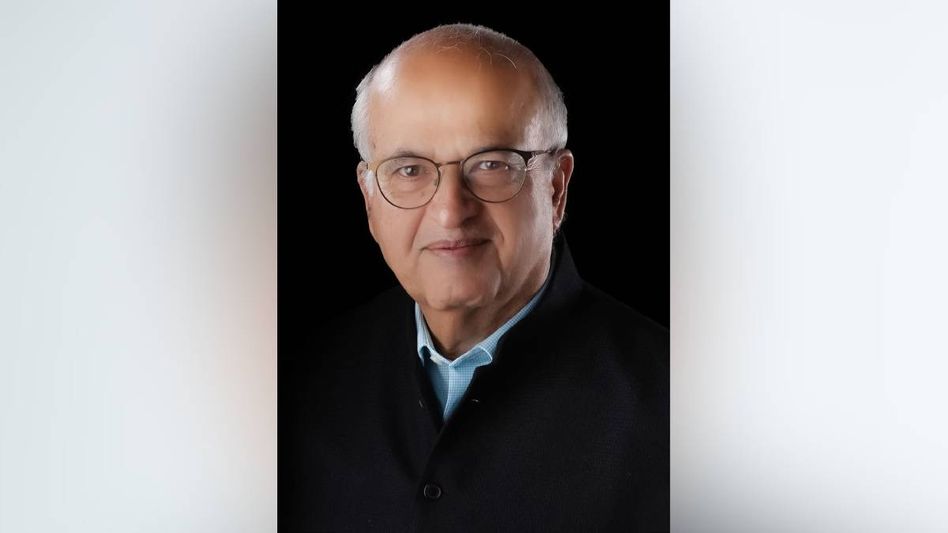
Reacting to the budget, Dr Rahul Mehra, National Representative of India, UNESCO Chair for Global Health & Education, and Executive Chairman of Tarang Health Alliance, said the absence of any reference to school education in a budget document exceeding 15,000 words reflects a troubling decline in policy priority for the sector.
“Despite clear and repeated recommendations from NEP 2020 and UNESCO that at least 6 per cent of India’s GDP be allocated to school education, the sector continues to remain grossly underfunded,” Dr Mehra noted, calling the omission “deeply disappointing.”
He underlined that the core objective of school education—improving both access and quality—remains unfulfilled, as basic learning outcomes among children continue to lag behind national and global benchmarks. While the National Education Policy envisions a holistic education framework that integrates core academic subjects with health education, life skills, and well-being, these critical components have received minimal fiscal and policy attention in the latest budget.
Dr Mehra further pointed out that although the government frequently highlights pedagogical reforms, sustained investment in teacher training and professional development—a cornerstone of educational transformation—remains critically inadequate.
“The education allocations for FY 2026–27 indicate a continuation of the status quo rather than a bold, transformational push,” he said, adding that without substantial and targeted investment, India risks falling short of its ambition to build a resilient, equitable, and future-ready school education system.