
The Northeast Doesn't Need Your Reels: Inside ‘Voices of the Land’
India has seen no shortage of documentaries about the Northeast, but few have asked a simple question: what if the people on screen decided the pace, the story and the terms of engagement? Voices of the Land attempts exactly that, revealing a region far more complex than the stereotypes and social media snippets it is so often reduced to.
Advertisement
 The Northeast Doesn't Need Your Reels: Inside ‘Voices of the Land’
Aparmita Das
- Jul 26, 2026,
- Updated Jul 26, 2026, 4:26 PM IST
Story highlights
- The series spans six episodes across four states and five communities
- An unscripted monastery blessing in Arunachal became one of its defining moments
- Kongthong villagers gave Adarsh Gourav a rare traditional name after negotiations
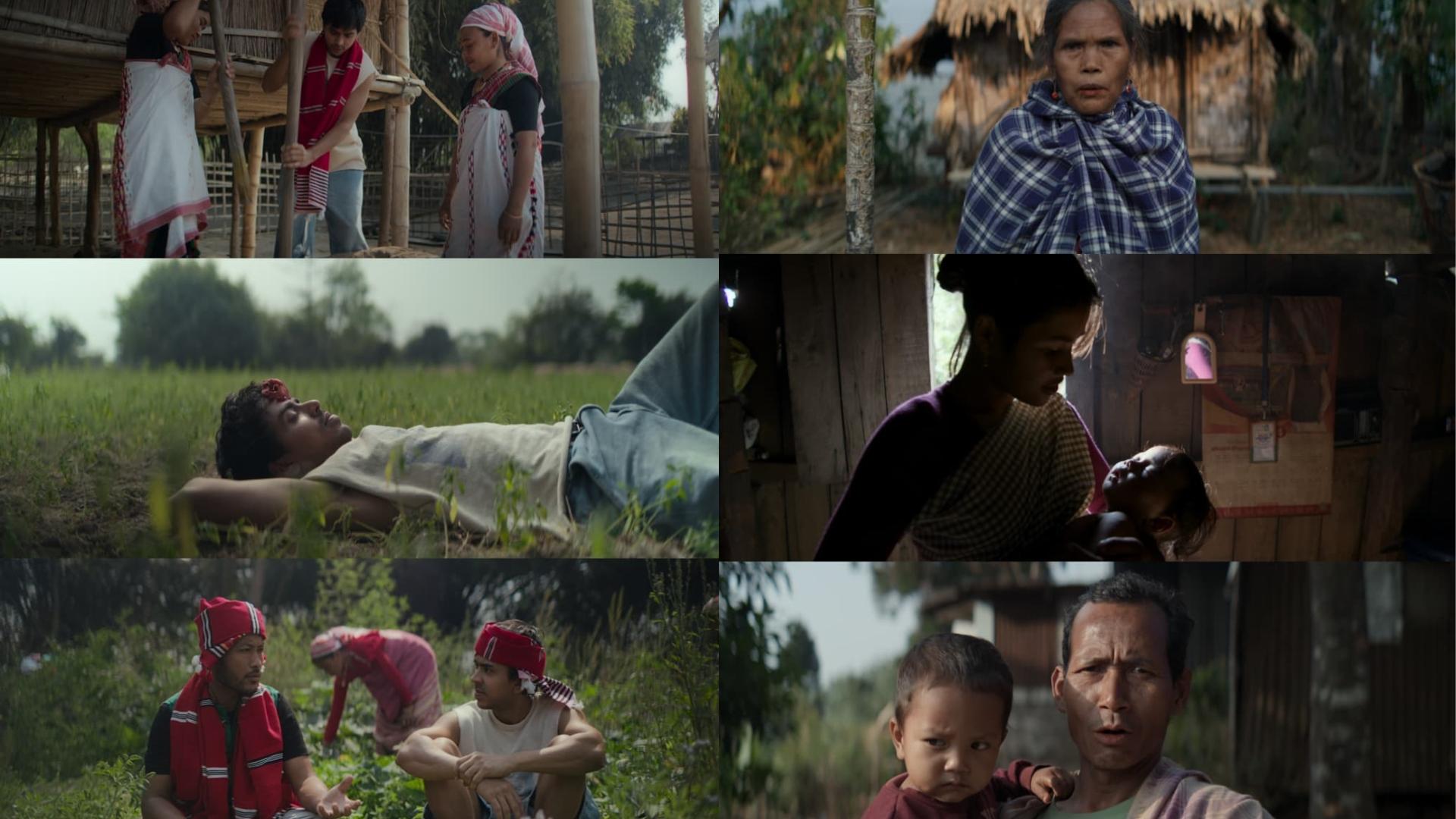
There's an old man at a monastery in Arunachal Pradesh who has no lines in "Voices of the Land." He doesn't need any. He just shows up, mid-episode, blesses an actor he's never met, and disappears back into the rhythm of a place that has clearly seen a lot of film crews come and go and hasn't been impressed by any of them yet.
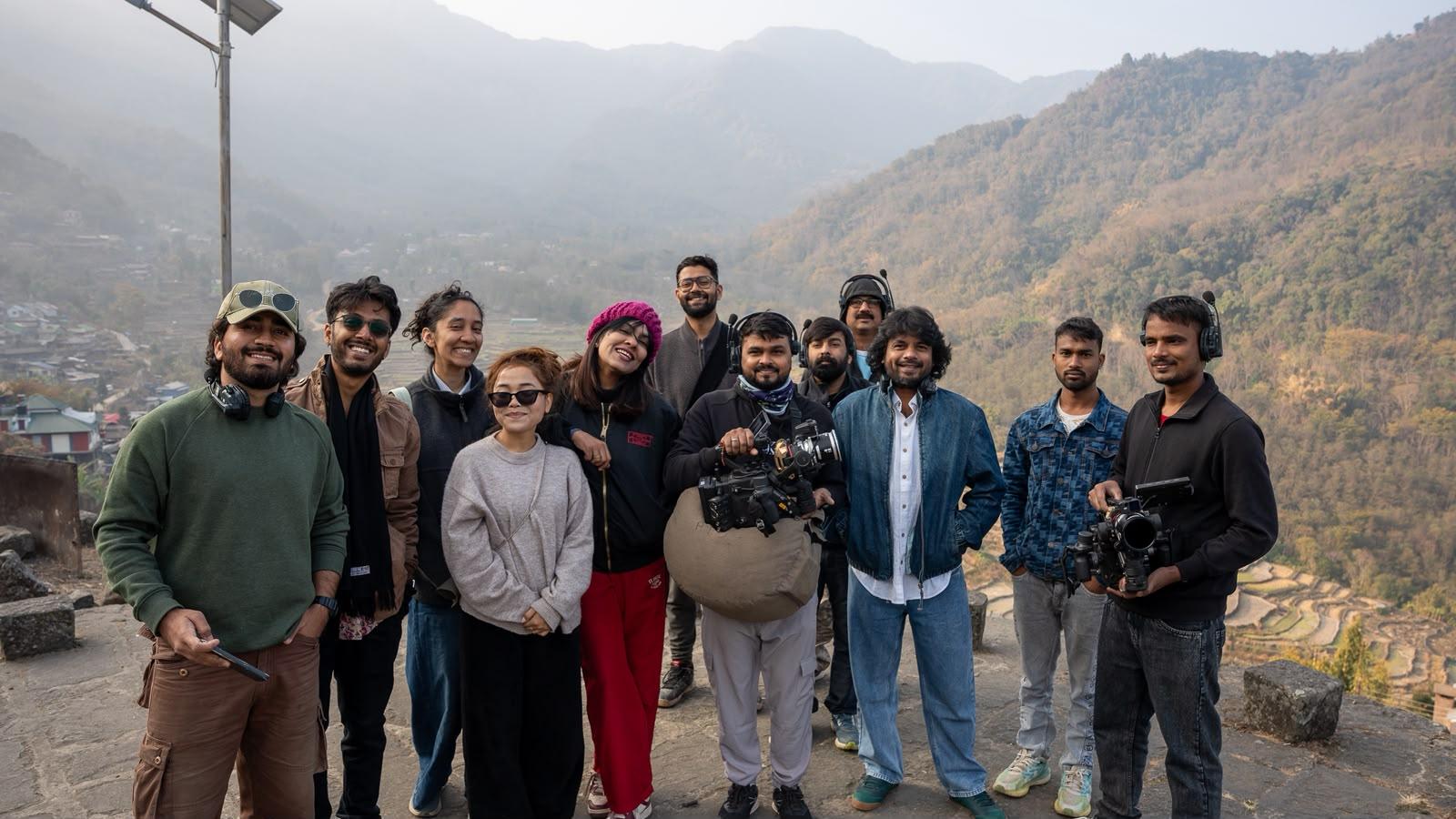
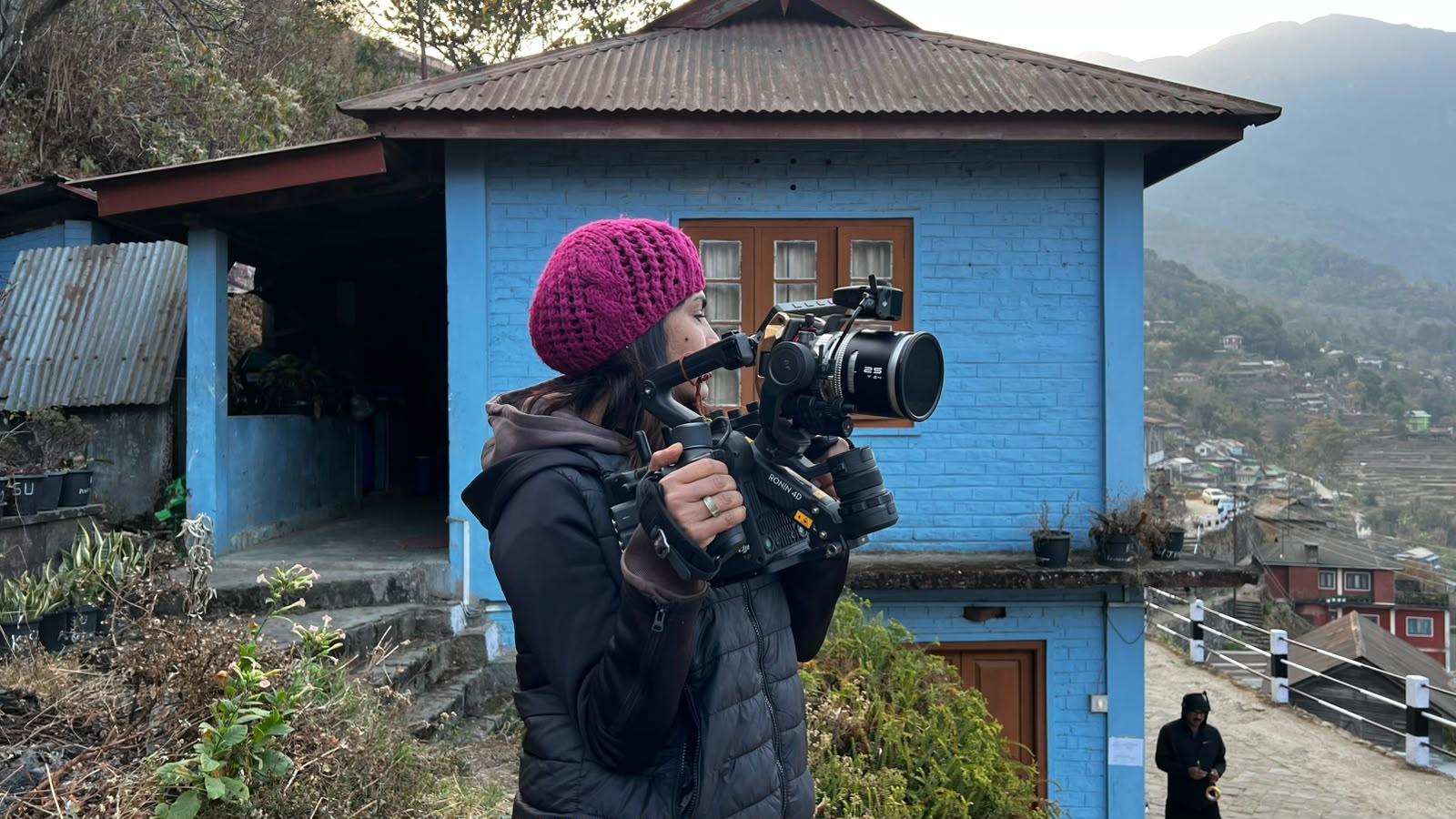
That man matters more to this series than almost anything shot on the cinema-grade rig that director Megha Ramaswamy hauled across four states to make it. He'd blessed her too, days earlier, on a location recce, when she was overwhelmed and close to tears about weather windows and permissions and the sheer weight of being handed access to people's lives. "Everything will be alright," he told her. She didn't forget it. When the cameras finally rolled, she asked him to give actor Adarsh Gourav the same blessing, the exact same way. You can watch it happen. Nobody scripted it because nobody could have.
That's the register "Voices of the Land" is operating in — six episodes, four states, five communities, and a director who kept insisting, almost defensively, that none of it was staged. Given how much recent Northeast content has been strip-mined for fifteen-second waterfall shots, the insistence is earned.
Five tribes, zero shortcuts
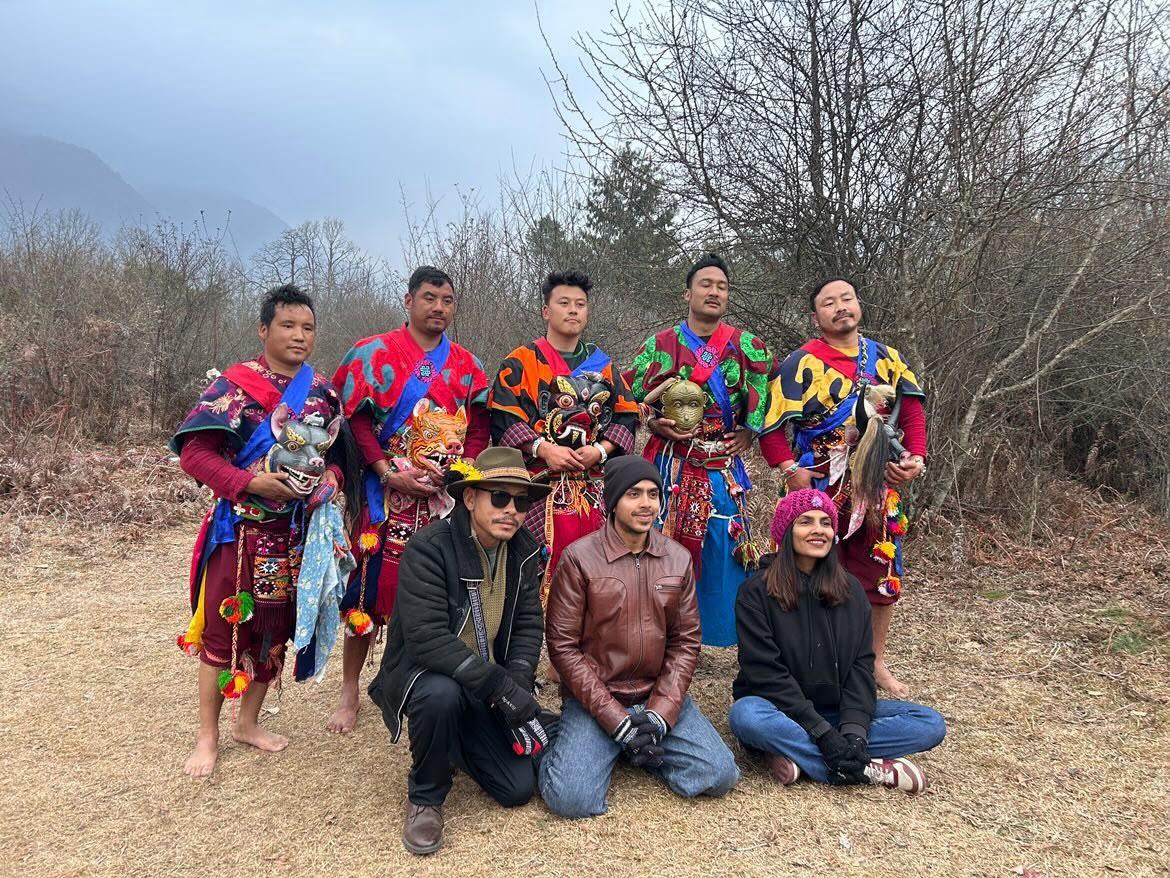
The series moves through the Angami of Nagaland, the Khasi of Meghalaya, the Sherdukpen of Arunachal Pradesh, and both the Biate and Mising of Assam. Ramaswamy and her crew actually shot in Assam twice, once with each community, and the contrast between them tells you something about how varied "the Northeast" — a phrase that flattens an enormous amount of difference — actually is.
The Mising, a major river-valley community concentrated along the Brahmaputra and its tributaries, have kept a strong internal culture of documenting and preserving their own traditions. Ramaswamy's crew caught a Bihu performance by the riverbank at dusk, singers gathered around a fire as the moon came up — the kind of shot a cinematographer dreams about and can't actually engineer. "Sometimes nature itself becomes your cinematographer," she said.
The Biate story carries more weight. Concentrated mostly around Dima Hasao in Assam, with smaller populations across Meghalaya, Mizoram, Manipur and Tripura, the Biate are among the smaller hill communities in the region — their language belongs to the Kuki-Chin branch of the Tibeto-Burman family, and linguists currently classify it as definitely endangered. Ramaswamy's crew documented what may be the last generation still holding onto the traditional instruments and music passed down before Christianity and the twentieth century reshaped much of Biate social life. "We documented what may be the last generation that still carries their traditional music and instruments before they are passed on in new forms," she said. "Being able to preserve that on film felt incredibly special."
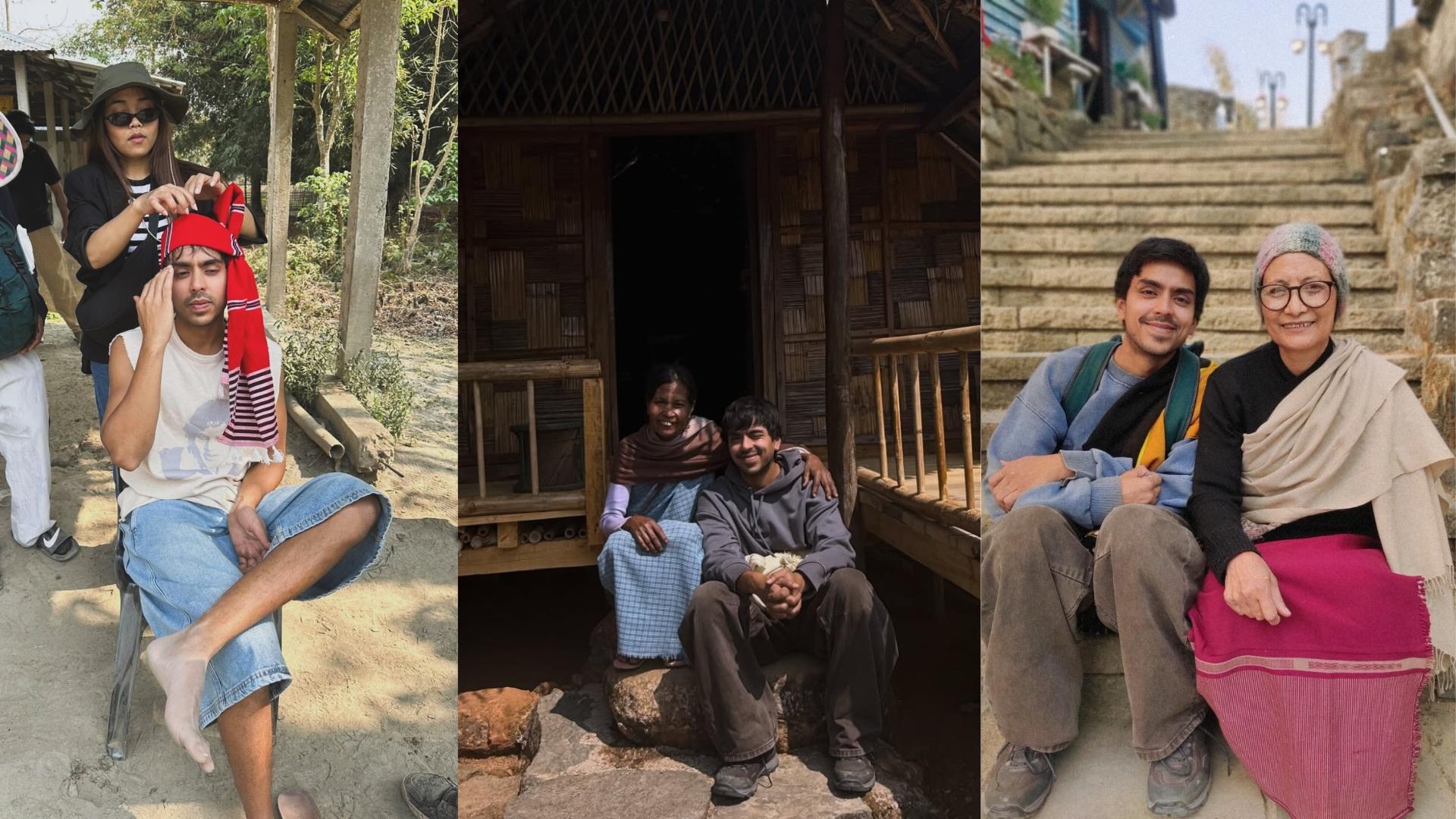
Then there's Kongthong in Meghalaya — the so-called "whistling village," a phrase that has been strip-mined by every travel reel with a drone. Ramaswamy's crew spent enough time there to notice what the thirty-second version leaves out: every mother in the village calls her child through a personalised tune, a melody composed for that one person, that dies with them. "Every whistle is unique and dies with that individual," Ramaswamy said. "That's incredibly moving." It took real negotiating — tribal decisions in Kongthong, as in most of these communities, are made collectively, not by a single elder you can charm — but the village eventually gave Adarsh a traditional name of his own, an honour rarely extended to outsiders. Watch that scene, and you'll see him tearing up. He knew the ceremony was coming. He had no idea it would hit him the way it did.
Trust, not access
Getting any of this on camera wasn't a given. Ramaswamy has said plainly that several communities were wary going in — burned before by crews who took what they needed and left. Before agreeing to participate, some of them did their own research on her previous work. Once that trust was built, the dynamic changed completely. "We stopped feeling like outsiders and became almost like family," she said.
With the Sherdukpen, that meant a hard rule: if you want to witness a shaman's ritual, you don't stand outside it with a camera. You participate. You don't call for another angle mid-ceremony because it isn't a scene, it's a ceremony that happens to have cameras nearby. With the Biate, the crew mostly kept to a fly-on-the-wall approach, staying out of the frame's emotional centre rather than directing it.
None of that fits a shooting schedule the way a feature film does. "When you're making a feature film, actors arrive when you call them," Ramaswamy said. "With tribes, it's the other way around. They tell you when they are available. They are the custodians of that land, and they are allowing you into their world."
The actor who wouldn't perform
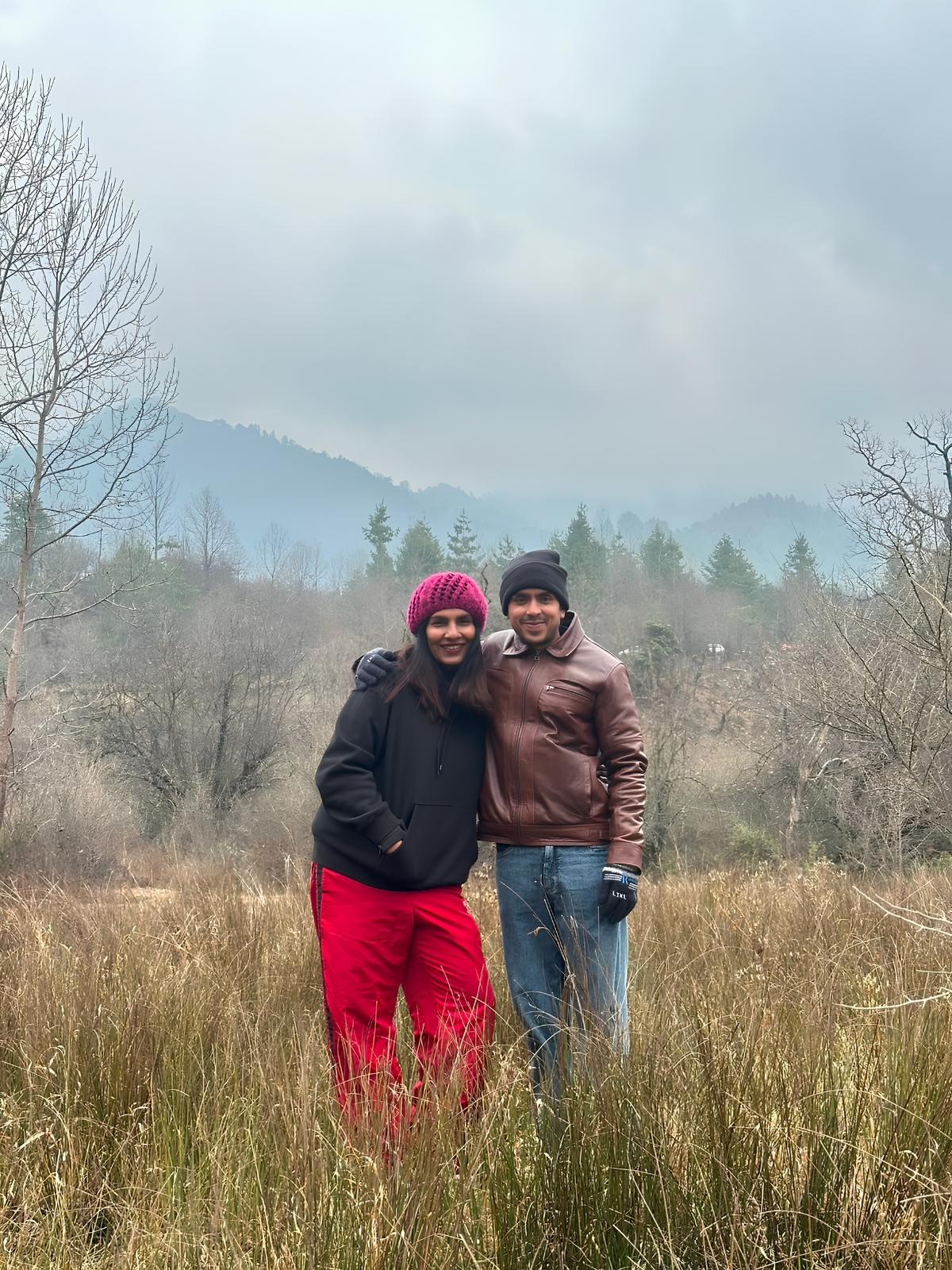
Adarsh Gourav — known for near-total transformation in roles like "The White Tiger" and "Superboys of Malegaon" — was always Ramaswamy's first and only choice to front the series, and the job asked something different of him than any of that: show up as himself and mean it. By her account, that wasn't hard for him, because the curiosity wasn't manufactured. "If he asks how your day was, he genuinely wants to know," she said. "That authenticity helped him connect effortlessly with every community." She also noted, with some amusement, how thoroughly the local aunties adopted him — including one in the Angami segment who looked him over before a festival and told him flatly he wasn't dressed for the occasion. He hadn't seen it coming, and it wasn't written.
Music runs through the series too, and Adarsh — a musician himself — gets pulled into it more than once, including a scene with young Biate musicians where the whole crew reportedly just stopped to watch rather than shoot.
The line about reels
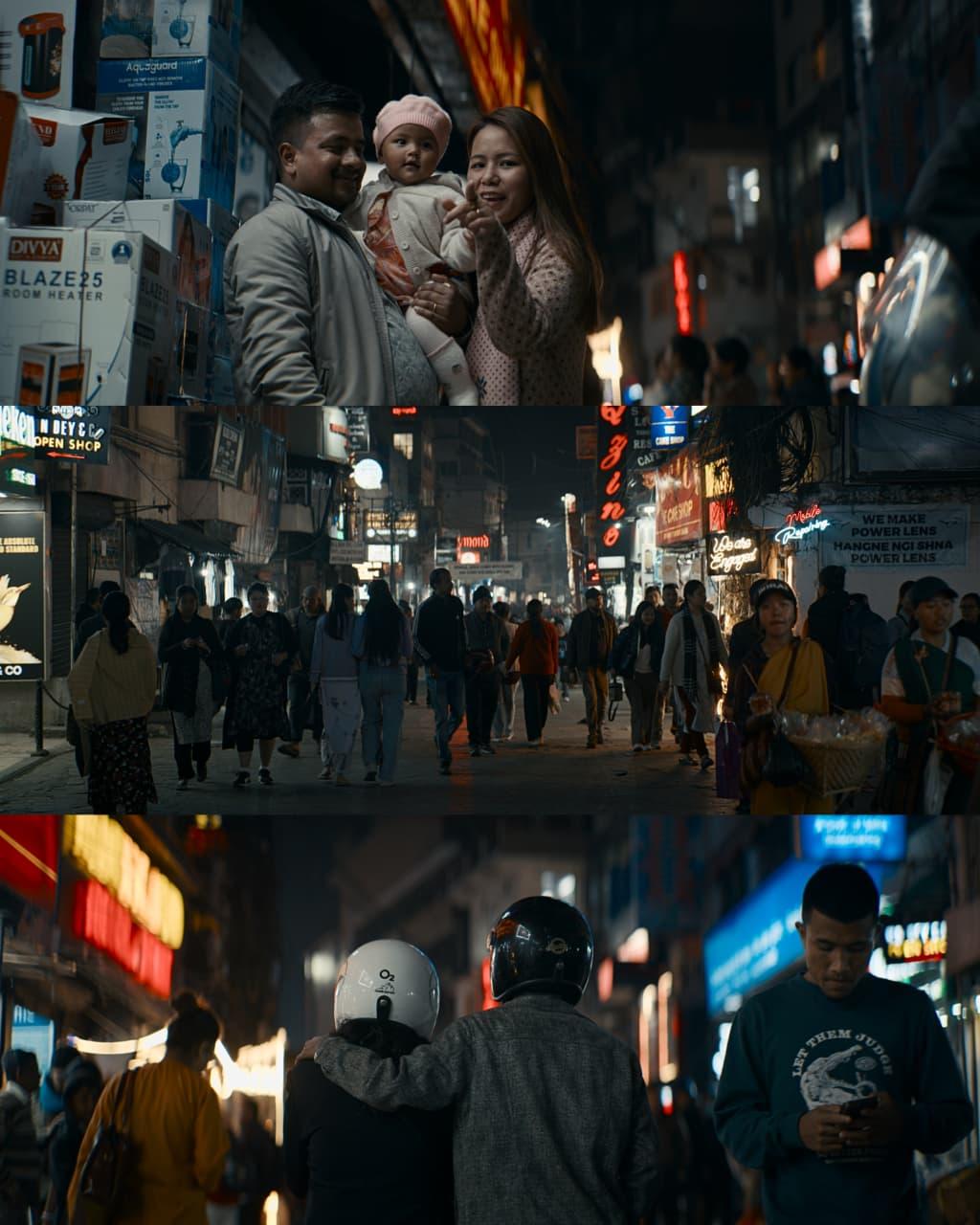
Somewhere in Meghalaya, a line surfaces that's already outlived the episode it came from: "In Meghalaya, we follow the feels, not the reels." It wasn't a slogan the writers reached for — it grew out of a production problem. The crew lost a location just two hours before a shoot because permissions collapsed, one of several times fragile sites were pulled out from under them, in some cases because the spots had already been damaged or overrun by content crews chasing a viral clip.
Ramaswamy doesn't hide her frustration with that cycle. Influencers who geo-tag a sacred grove for clout, she argues, don't get to then claim they're "protecting" it by withholding the exact pin — the damage is already done the moment it's posted. It's a theme the series returns to more than once: sacred groves, monasteries, river ecosystems, all of them handed a kind of stewardship by the people who live there, and all of them vulnerable to becoming background noise in someone else's fifteen-second video.
What it's actually trying to be
Ramaswamy keeps circling back to a specific comparison — she wanted something closer to the golden age of Anthony Bourdain and old-school Nat Geo and Discovery programming than to a modern travel format. That's part of why episodes run closer to half an hour rather than being carved into algorithm-friendly fragments. "We never compromised on production values simply because it was a documentary series," she said.
The series is credited to Ramaswamy as director, with cinematographer Kuldeep Mamania, writer Nitin Gupta and researcher Gaurav Haloi shaping which communities made the cut — a deliberate move away from tribes whose stories had already been reduced to Instagram shorthand. Charu Budhiraja, producing at Edstead, has described the goal as building an immersive experience around communities rarely given space in mainstream storytelling.
The thing she keeps coming back to
Ask Ramaswamy what surprised her most across five tribes and four states, and it isn't a place or a ritual — it's how wrong the flattened idea of "the Northeast" turns out to be. River communities and mountain communities don't share food, music, language or rites of passage. Neighbouring tribes frequently can't understand each other's language at all. What she says they do share is an intense pride in identity, and a relationship with the land that she found genuinely disorienting to sit inside as an outsider from Mumbai.
People are already asking her about a second season, and Ramaswamy says she loves hearing it. If it happens, she isn't looking further east — she wants to go home. She grew up around the Sahyadri mountains near Pune, where her parents still live, and she's talked about wanting to document the indigenous communities there and their devrais, the sacred groves villagers have protected for generations, often without any of the recognition Northeast conservation efforts are starting to get. "The Northeast is one version of Voices of the Land," she said.
"There's another version waiting in Maharashtra, in Pune and in the Sahyadris." That's on top of the communities she couldn't reach this time around — Mizoram and Manipur, both left off the shooting schedule because permissions didn't come through given the political situation on the ground. She's also talking, half-jokingly, about retiring near Shergaon in twenty years and working alongside a local conservation initiative there.
Her closing argument, more or less, is this: stop treating the Northeast as some exotic footnote to the rest of India. Nobody exoticises the west. Nobody exoticises the south. The region's sacred groves, its bamboo economy, its collective decision-making — these aren't quaint. They're a working model for the kind of environmental and social responsibility everyone else is currently failing at. "We should learn from it," she said. "Learn from its environmental ethics. Learn from its politics. Learn about how communities have fought to preserve their identities and traditions."
Whether that argument lands with a national audience raised on faster, shinier travel content is the real bet "Voices of the Land" is making. Early reactions, by Ramaswamy's account, split cleanly by age — older viewers recognising the documentary style they grew up on, younger ones saying they'd never seen anything shaped quite like it. A number of people, she says, told her they cried through episodes where nothing especially tragic happens. She still isn't entirely sure what to do with that, other than take it as a sign the thing worked.
ALSO WATCH:
POST A COMMENT