Assam’s wild autumn: Doomdooma comes alive in a sea of Kash
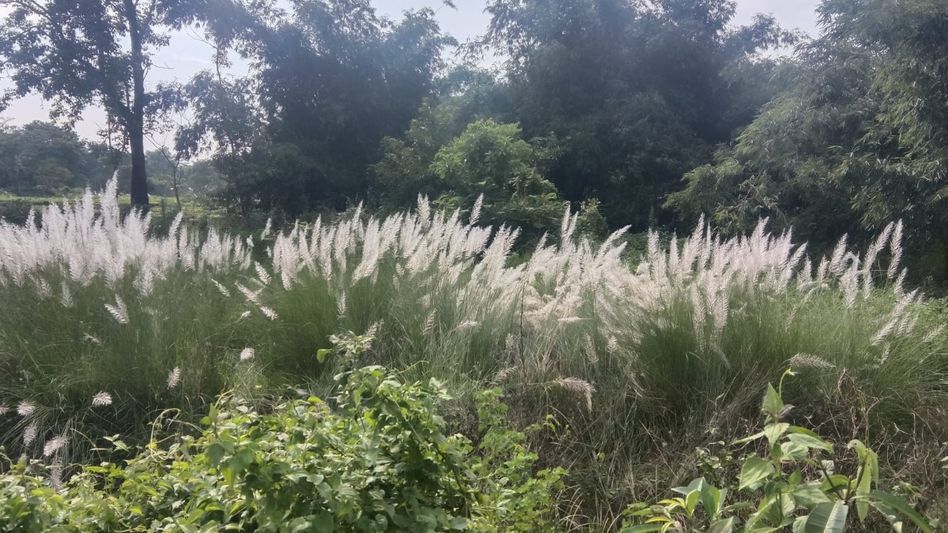
Clusters of Saccharum spontaneum, popularly known as kash and called Konhuwa in Assamese, have burst into bloom across open fields, roadside stretches, village edges and low-lying riverine landscapes.

- Sep 19, 2026,
- Updated Sep 19, 2026, 9:12 PM IST

Across Doomdooma in Upper Assam’s Tinsukia district, September has arrived in a sea of white.
Clusters of Saccharum spontaneum, popularly known as kash and called Konhuwa in Assamese, have burst into bloom across open fields, roadside stretches, village edges and low-lying riverine landscapes. Their soft white plumes sway against the green backdrop of Upper Assam, creating a striking seasonal spectacle and offering a glimpse of the region’s intimate relationship with water, soil and wild vegetation.
For people across Assam, the flowering of kash is closely associated with the arrival of autumn. But in a district like Tinsukia, the grass also forms part of a much larger ecological story.
Tinsukia is situated within one of Assam’s most biologically significant landscapes, where rivers, wetlands, forests, grasslands and agricultural areas exist in close proximity. The wider landscape is shaped by the Brahmaputra river system and includes globally recognised ecosystems such as Dibru-Saikhowa National Park and the forests of Dihing Patkai.
Kash is a perennial grass commonly found in open and alluvial habitats. Its flowering stands can emerge on disturbed ground and areas of recent sediment deposition, making it part of the constantly changing vegetation mosaic of floodplain environments.
That makes the white landscape around Doomdooma more than an autumn postcard.
It is also a reminder of a landscape continuously shaped by rivers and seasonal cycles.
The Brahmaputra and its tributaries regularly transform floodplain environments through flooding, sediment deposition and erosion. Vegetation responds to these changes, with grasses and other pioneer plants occupying newly opened spaces before other forms of vegetation become established.
Across Tinsukia, wetlands and riverine habitats support a rich diversity of birds and other wildlife. The grasslands and naturally occurring vegetation around these water bodies form part of the broader habitat mosaic that sustains the region’s biodiversity.
For local residents, however, the story begins with something much simpler — the beauty unfolding in front of them.
People have been stopping along roads and open stretches to photograph the white plumes moving in the breeze. Images of kash-covered landscapes are increasingly appearing on social media, turning a familiar seasonal phenomenon into a shared celebration of Assam’s countryside.
But the spectacle is fleeting.
As autumn progresses, the white plumes will eventually fade, leaving behind the grass and the landscape it occupies. What remains is the larger ecological cycle — water reshaping land, plants colonising open ground and wildlife moving through an environment that is never entirely static.
For Doomdooma, the kash bloom is therefore both a seasonal greeting and a quiet ecological reminder.
In the white waves of September, Tinsukia briefly reveals one of its quieter truths: some of Assam’s most compelling environmental stories are not always found deep inside its forests, but also in the grasslands, wetlands and river-shaped spaces that lie in plain sight.