Public outrage swells over risky stunts at Assam bridges after Margherita river tragedy
Outrage and concern are rising across upper Assam following a recent incident in Margherita, where a young man was swept away by the Buridehing river during a social media livestream, prompting renewed debate over public safety and mental health risks.

- Apr 25, 2026,
- Updated Apr 25, 2026, 5:44 PM IST

Outrage and concern are rising across upper Assam following a recent incident in Margherita, where a young man was swept away by the Buridehing river during a social media livestream, prompting renewed debate over public safety and mental health risks.
The incident, which took place near a Chhath Puja ghat in Tinsukia district, drew widespread attention after clips from the livestream circulated online. Rescue teams were deployed, but the man remained untraced at the time of reporting. The episode has since shifted public focus towards the larger issues surrounding such acts rather than the incident alone.
Residents and civic groups have criticised the lack of safeguards at riverfronts and bridges, calling for barriers, increased surveillance and quicker emergency response systems. Many argue that repeated incidents indicate gaps in both infrastructure safety and crisis intervention.
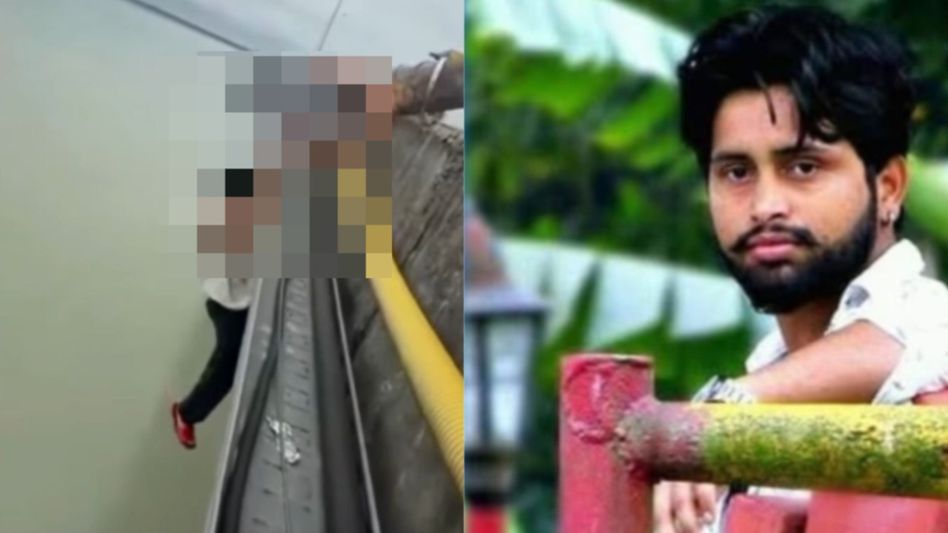
Attention has again turned to Dr Bhupen Hazarika Setu, which has seen a mix of rescue efforts and risky behaviour in recent years. A viral video showing a youth hanging from the railing while performing pull-ups had earlier triggered strong backlash, with locals demanding strict action and better monitoring.
Mental health experts say the Margherita case reflects a broader and worrying trend. A 2023 study in Psychiatry Research Case Reports by Ruchika Kaushik and colleagues from All India Institute of Medical Sciences links livestreamed self-harm behaviour to untreated depression and a tendency to publicly express distress.
Similarly, a 2022 international review led by Sheikh Shoib highlights the growing use of platforms such as Facebook to broadcast or announce such acts, though it notes that global data remains limited.
Experts warn that highly visible and easily accessible structures, including Bogibeel Bridge and other riverbank locations, are increasingly being viewed as potential hotspots. They recommend installing physical barriers, strengthening surveillance, setting up rapid-response protocols and expanding access to counselling services.
The role of social media remains complex. While it can amplify harmful behaviour, past interventions have shown it can also help authorities respond quickly when distress signals are identified in time.
Local organisations have urged authorities to act decisively, stressing that a combination of infrastructure safeguards and mental health support is essential to prevent further incidents.