Scientists build India’s largest DNA barcode library for cockroaches, reveal hidden biodiversity
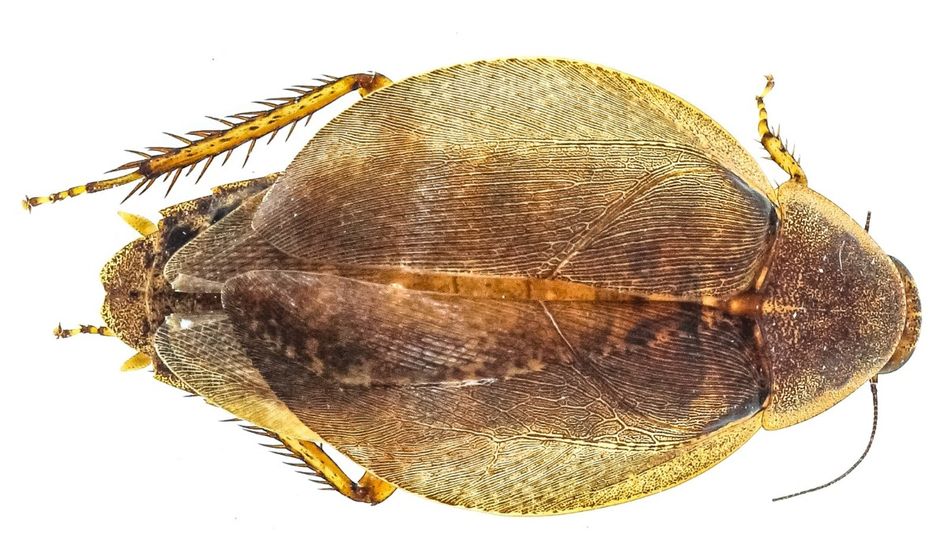
In a major breakthrough for biodiversity research, Indian scientists have developed the country’s first and largest DNA barcode reference library for cockroaches found in peninsular India, uncovering previously undocumented species groups and endemic evolutionary lineages unique to the region.

- May 27, 2026,
- Updated May 27, 2026, 4:30 PM IST

In a major breakthrough for biodiversity research, Indian scientists have developed the country’s first and largest DNA barcode reference library for cockroaches found in peninsular India, uncovering previously undocumented species groups and endemic evolutionary lineages unique to the region.
The landmark study, conducted by researchers from the Zoological Survey of India (ZSI) along with academic collaborators, highlights that India’s wild cockroach diversity is significantly richer than previously understood and underscores the ecological importance of these often misunderstood insects.
Although cockroaches are commonly associated with household pests, scientists emphasised that most wild species are harmless and play a critical role in maintaining ecosystem balance. They contribute to decomposition, nutrient recycling and support forest food chains. Researchers also noted that wild cockroach species are highly sensitive to environmental changes, making them valuable indicators of ecosystem health.
The study was carried out by scientists from the Zoological Survey of India’s Western Regional Centre in Pune and Southern Regional Centre in Chennai, in collaboration with Prof. Ramkrishna More College, Pune. The research team generated more than 100 DNA barcodes to create the reference database.
DNA barcoding, a molecular technique often compared to a supermarket scanner, uses short standardised DNA sequences for rapid and accurate species identification. By integrating molecular methods with conventional taxonomy, scientists resolved long-standing classification challenges and identified overlooked evolutionary groups.
Dr Dhriti Banerjee, Director of the Zoological Survey of India, said the study demonstrates the growing importance of DNA barcoding in revealing hidden biodiversity and improving scientific understanding of poorly documented groups.
Dr Basudev Tripathy, Head of Office at ZSI’s Western Regional Centre in Pune, described DNA barcoding as a reliable and rapid tool that complements traditional taxonomy when reference libraries are properly validated.
Lead author Ms Shabnam said the newly developed barcode database will support future taxonomic and evolutionary studies, biodiversity monitoring, conservation planning, pest identification and ecological assessments.
Dr K.P. Dinesh, who leads DNA barcoding studies at ZSI Western Regional Centre, said the findings offer fresh insights into the evolutionary history of India’s endemic cockroach species, including possible links to ancient Gondwanan biogeography and the role of long-term geographic isolation in shaping biodiversity on the Indian subcontinent.
Researchers said the study represents an important step towards building a comprehensive DNA barcode library covering India’s vast insect diversity. They stressed that continued exploration and molecular documentation remain essential for protecting the country’s biological heritage.
The complete findings have been published in the international taxonomy journal Zootaxa.