Nepal flood death toll rises to 270; over 800 missing as rescue operations continue
A glacial collapse near the Nepal-Tibet border triggered flash floods that have killed at least 270 people and left more than 800 missing. The disaster has intensified rescue efforts and renewed concern over rising glacial instability in the Himalayas.

- Aug 27, 2026,
- Updated Aug 27, 2026, 4:13 PM IST

- Among the missing are 85 security personnel deployed in affected posts
- Tourism Board says 466 foreigners and 113 Nepalis remain unaccounted for
- Helicopters have evacuated 123 people from Timure as searches intensify
The death toll from the catastrophic flash floods triggered by a glacial collapse along the Nepal-Tibet border has risen to at least 270, while more than 800 people remain missing, according to Nepal’s National Disaster Risk Reduction and Management Authority (NDRRMA).
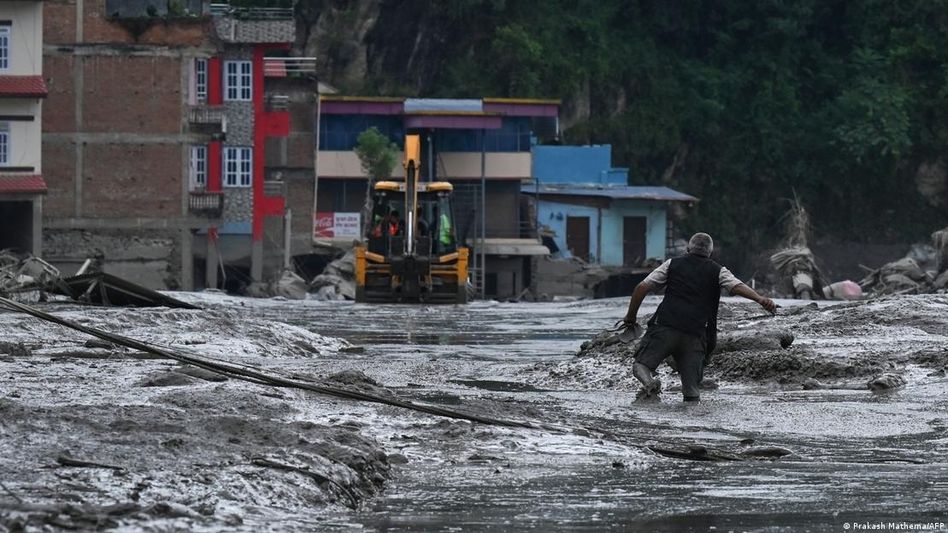
The disaster struck on Wednesday after a massive debris-laden flood swept through the Lhende Khola area near the Rasuwagadhi border point. Authorities said the flood was triggered by a glacier or ice-rock collapse, sending mud and water through Rasuwagadhi, Timure and Syaphru Besi before joining the Trishuli River.
Among those reported missing are 44 Nepal Army personnel, 28 Nepal Police personnel and 13 Armed Police Force personnel deployed in the affected areas and police posts.
Preliminary figures from the Nepal Tourism Board indicate that 579 people, including 466 foreign nationals and 113 Nepali citizens, are missing from the affected area. India accounts for a significant number of the missing foreign nationals, with Indian authorities reporting hundreds of people unaccounted for or stranded in the region.
Rescue teams have so far evacuated 123 people by air from Timure in Rasuwa, including 94 Nepali citizens and 29 foreign nationals. The Nepal Army and private operators are using helicopters to intensify search-and-rescue operations in Rasuwa and Nuwakot.
The floods have caused extensive damage to infrastructure, with 35 motorable bridges, 45 suspension bridges and around 40 kilometres of paved roads affected. Authorities are continuing to assess the extent of the damage.
More than 5,000 army and police personnel have been mobilised for rescue and relief operations. Medical teams from hospitals and security forces have also been deployed to treat the injured, while temporary shelters have been established and food, drinking water and medicines are being distributed to affected communities.
The disaster has also raised concerns over growing glacial instability in the Himalayas. Experts have linked the event to an ice-rock avalanche and sudden river surge, while warning that rising temperatures and accelerating glacier melt could increase the risk of such disasters.
Authorities continue to prioritise the search for missing people, rescue of survivors, treatment of the injured, restoration of roads and bridges, and relocation of displaced families to safer areas.