Nepal floods: Over 17,000 children need urgent mental health support, says UNICEF
UNICEF has said more than 17,000 children affected by Nepal's flash floods need urgent mental health and psychosocial support. The agency warned that trauma, family separation and protection risks could deepen without sustained care.

- Sep 16, 2026,
- Updated Sep 16, 2026, 11:15 AM IST

- Many children witnessed deaths, destroyed homes and schools, and missing relatives
- UNICEF says 541 separated children face heightened protection risks and need services
- Nepal recorded 1,399 deaths, with 5,179 people still missing Sunday evening
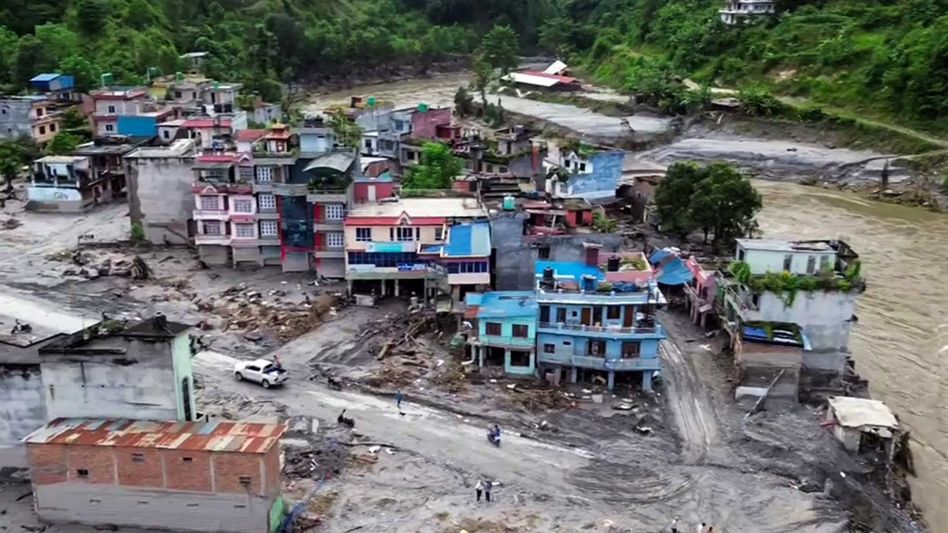
More than 17,000 children affected by Nepal’s devastating flash floods need urgent mental health and psychosocial support as they deal with trauma, displacement and the loss of family members, UNICEF said.
The UN agency said the floods have left many children struggling after witnessing deaths, the destruction of homes and schools, separation from their communities and uncertainty over missing relatives.
According to UNICEF, 541 unaccompanied and separated children are also at heightened risk and require immediate protection services.
“The floods struck during the school day, shattering children’s sense of safety in an instant,” UNICEF Representative to Nepal Alice Akunga said. She said many children were now experiencing fear, anxiety and grief, with some unable to talk about what they had witnessed.
UNICEF said mental health support must accompany relief efforts, including the supply of humanitarian aid and restoration of essential infrastructure, to help children regain a sense of security and recover from the disaster.
The warning comes as rescue and relief operations continue across flood-hit areas. Nepal’s National Disaster Risk Reduction and Management Authority (NDRRMA) reported 1,399 deaths and 5,179 people still missing as of 7 pm on September 15.
Casualties have been reported from Chitwan, Nawalparasi East, Nawalparasi West, Nuwakot, Rasuwa, Gorkha, Dhading and Tanahun, according to the latest NDRRMA figures.
A total of 13,742 people have been rescued, while 343 people were treated at 19 hospitals and 282 were discharged. Security agencies have separately provided medical treatment to 9,496 people.
The Nepal Army has carried out 1,561 helicopter flights as part of the rescue and relief effort, while the Armed Police Force Nepal has conducted 320 flights in affected areas.
UNICEF said the psychological fallout could also increase protection risks for vulnerable children, including social isolation, stigma and limited access to support services.
Dr Shitanshu Dhakal, Medical Officer at Trishuli Hospital in Nuwakot and a former UNICEF Youth Advocate for mental health, said the effects of the disaster could continue even after immediate dangers had passed.
“Fear can remain long after the disaster itself,” Dhakal said, stressing the need for psychological first aid and longer-term support for children.
UNICEF and its partners are providing family tracing, reunification and psychosocial assistance. So far, 18 unaccompanied and separated children have been reunited with their families, while alternative family-based care is being arranged for children who have lost both parents.
Community-based protection monitoring teams have also been deployed along key transit and displacement routes to identify children at risk, facilitate referrals and help prevent trafficking, exploitation and further family separation.
Mental health services are being expanded through Psychological First Aid and counselling. UNICEF said 18 Child-Friendly Spaces, including 13 supported by the agency, are currently providing children with safe places to play, learn and begin recovering, with psychologists, counsellors and frontline workers involved in the response.
The agency has called for greater investment in child protection and mental health services to ensure affected children receive continued support as communities recover from the floods.