
Sheikh Hasina blames Yunus Government for strained India–Bangladesh ties amid rising violence
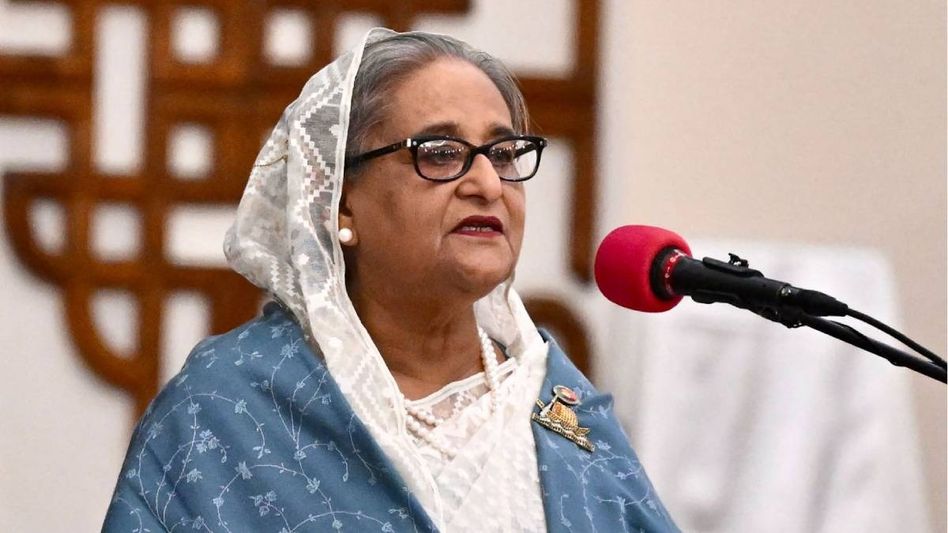
India has expressed deep concern over the escalating violence in Bangladesh, including the recent lynching of a Hindu man, amid growing threats from radical groups targeting Indian diplomatic missions in the country. The developments have further strained bilateral relations at a sensitive moment, drawing sharp criticism from former Bangladesh Prime Minister Sheikh Hasina.

- Dec 22, 2025,
- Updated Dec 22, 2025, 11:24 AM IST

- India concerned over violence in Bangladesh, affecting diplomatic ties.
- Sheikh Hasina blames interim government for rising hostility.
- Hasina emphasizes deep, enduring India-Bangladesh relations.
India has expressed deep concern over the escalating violence in Bangladesh, including the recent lynching of a Hindu man, amid growing threats from radical groups targeting Indian diplomatic missions in the country. The developments have further strained bilateral relations at a sensitive moment, drawing sharp criticism from former Bangladesh Prime Minister Sheikh Hasina.
Hasina squarely blamed the deterioration in India–Bangladesh ties on the interim government led by Muhammad Yunus, accusing it of fostering hostility towards India and failing to protect religious minorities. She alleged that extremist elements have gained influence under the current dispensation, weakening law and order and undermining diplomatic norms.
“The strain you are witnessing is entirely of Yunus’ making,” Hasina said in a statement. “His government issues hostile statements against India, fails to protect religious minorities, and allows extremists to dictate foreign policy—then expresses surprise when tensions rise.”
Describing India as Bangladesh’s “most steadfast friend and partner for decades,” Hasina emphasised that the relationship between the two nations is rooted in deep historical, political and strategic ties. She expressed confidence that bilateral relations would stabilise once democratic governance is restored in Bangladesh.
“The ties between our nations are deep and fundamental. They will outlast any temporary government. Once legitimate governance returns, Bangladesh will again pursue the sensible and constructive partnership we built over fifteen years,” she added.
The former prime minister further alleged that extremist groups emboldened by the interim regime were responsible for attacks on minorities, protests outside the Indian High Commission, and assaults on media institutions. She claimed that members of such groups had been elevated to positions of influence, while convicted militants were released from prison.
“These are the same forces that marched on the Indian embassy, attacked media offices, and targeted minorities with impunity,” Hasina said. “They are also the ones who forced me and my family to flee for our lives.”
She asserted that India’s concerns over the safety of its diplomatic personnel in Bangladesh are justified, arguing that the interim government has failed to uphold its responsibility under international conventions.
“A responsible government protects diplomatic missions and prosecutes those who issue threats,” she said. “Instead, Yunus’ administration grants immunity to hooligans and glorifies them as warriors.”
India has been closely monitoring the situation, particularly in light of threats to its missions and the broader security environment facing minorities in Bangladesh.
MORE NEWS











Copyright©2026 Living Media India Limited. For reprint rights: Syndications Today
