South African jurist Navi Pillay wins 2026 Nobel Peace Prize for work on international law
South African jurist Navi Pillay has won the 2026 Nobel Peace Prize for her work on international law and accountability. The award spotlights the role of courts and judges in confronting war crimes, genocide and political pressure.

- Oct 09, 2026,
- Updated Oct 09, 2026, 3:38 PM IST

- She defended Nelson Mandela and other anti-apartheid figures early in her career
- Pillay served on South Africa's High Court, ICC and Rwanda tribunal
- Her rulings helped recognise rape and sexual violence as genocide
South African jurist Navanethem “Navi” Pillay has been awarded the 2026 Nobel Peace Prize for her efforts to strengthen international law and ensure that those responsible for war crimes, genocide and crimes against humanity are held accountable.
The Norwegian Nobel Committee announced the award on October 9, recognising Pillay’s role in advancing justice, protecting human rights and strengthening international legal institutions.
Born in Durban, South Africa, to a family of Indian Tamil origin during the apartheid era, Pillay built her career challenging racial discrimination and exclusion. Her early legal work included defending Nelson Mandela and others who opposed apartheid.
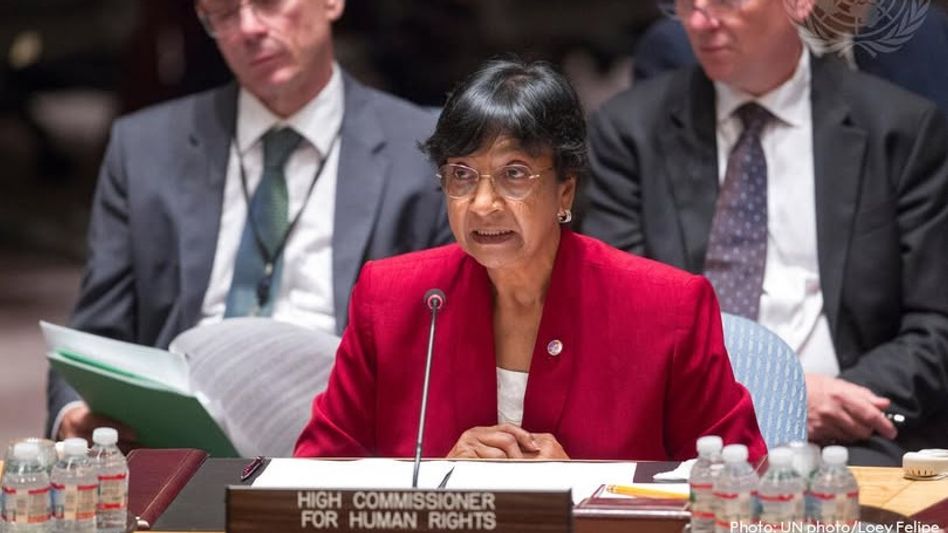
Pillay has since held several key positions in the international justice system. She served as a judge on South Africa’s High Court, the International Criminal Tribunal for Rwanda and the International Criminal Court. She also served as the United Nations High Commissioner for Human Rights.
Until recently, she chaired the UN Independent International Commission of Inquiry on the Occupied Palestinian Territory. She is currently a judge at the International Court of Justice in the case in which Myanmar faces allegations of genocide.
The Nobel Committee highlighted Pillay’s contribution to landmark legal decisions, particularly those that established accountability for sexual violence and the use of propaganda to incite genocide.
During her tenure at the International Criminal Tribunal for Rwanda, she played an important role in advancing the recognition of rape and sexual violence as crimes against humanity and acts that could constitute genocide. She also contributed to a landmark case in which a defendant faced charges of inciting genocide through propaganda.
The committee said Pillay’s work demonstrated how international law and judicial institutions could help prevent violence, hold political leaders accountable and provide justice to victims of conflict.
The award comes at a time when the international legal system faces growing pressure, with the committee warning against a shift towards power politics at the expense of established legal principles.
It stressed that international law was essential to resolving disputes peacefully and maintaining stability between nations, particularly as wars and conflicts continue to challenge global security.
The committee also underlined the importance of protecting judges and international institutions from attacks and political pressure, describing Pillay as an example of the courage and determination needed to defend the rule of law.
The Nobel Peace Prize, first awarded in 1901, has frequently recognised efforts to promote peaceful conflict resolution and cooperation between nations. This year’s award highlights the role of legal accountability in building lasting peace.
The committee said Pillay’s career showed why international legal principles must be strengthened and upheld, adding that her commitment to justice and human dignity offered hope to those seeking a more peaceful world.