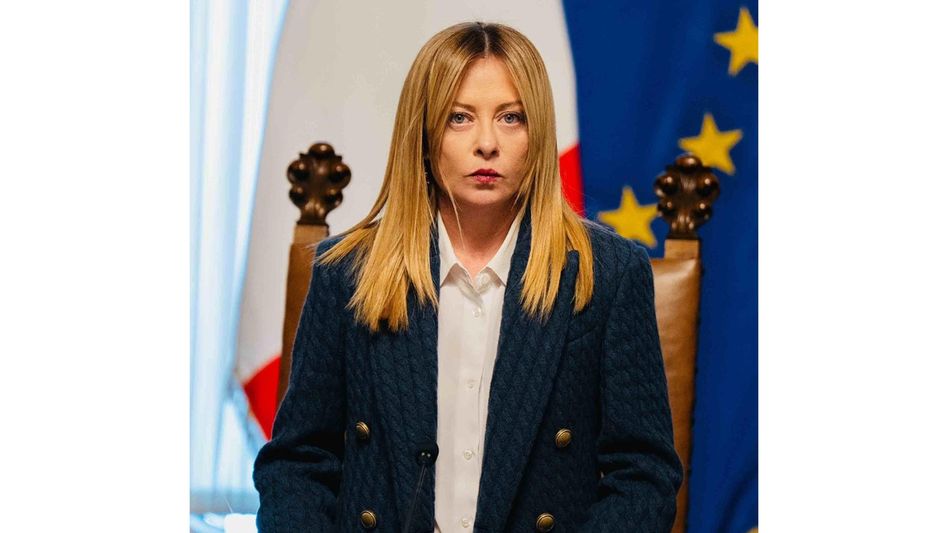
‘You go to school with an uncovered face’: Italian PM Giorgia Meloni plans burqa, niqab ban in schools
Giorgia Meloni has proposed banning burqas and niqabs in Italian schools and capping foreign students in classrooms. The package also links integration to Italian language learning by families and respect for national rules.

- Sep 21, 2026,
- Updated Sep 21, 2026, 8:50 AM IST

- Proposals will soon go before the Council of Ministers, Meloni said
- Parents of some foreign students may have to learn Italian
- Meloni said newcomers must know Italy's culture and respect its laws
Italian Prime Minister Giorgia Meloni has announced plans to ban burqas and niqabs in schools and introduce a limit on the number of foreign students allowed in individual classrooms.
Speaking at Fenix, a youth event organised by her Brothers of Italy party in Rome on September 20, Meloni said a measure containing the proposals would soon be placed before the Council of Ministers.
The proposed rules would also require parents of foreign students facing serious integration difficulties at school to learn Italian.
Meloni said the measures were intended to strengthen integration by ensuring that people settling in Italy learn the language, understand the country's culture and follow its laws.
"Anyone who comes to Italy and wants to build their future here must learn our language, know our culture, and respect our rules," she said.
On the proposed ban on face coverings, Meloni said students should attend school with their faces visible. She also linked the measure to gender equality, saying no young woman should be required to cover her face in the name of tradition.
The government has not yet announced the proposed maximum number of foreign students that could be enrolled in a single class.
Data from the research institute Fondazione ISMU shows that about 930,000 students without Italian citizenship are currently enrolled in Italian schools, accounting for around 11.6 per cent of the country's total student population.
Meloni also addressed higher education reforms at the event, highlighting changes to medical school admissions. She said the government had abolished the multiple-choice entrance examination, arguing that the system had restricted access to university opportunities.
The announcements form part of the government's broader approach to integration, with the proposed school measures combining language requirements, limits on foreign student numbers and restrictions on face coverings.