
Bangles of tradition: The cultural symphony of Shakha Pola
Shakha Pola bangles are a cherished symbol of marriage and prosperity among Bengali women. These traditional ornaments continue to uphold cultural values despite changing fashion

- Jan 22, 2026,
- Updated Jan 22, 2026, 2:06 PM IST

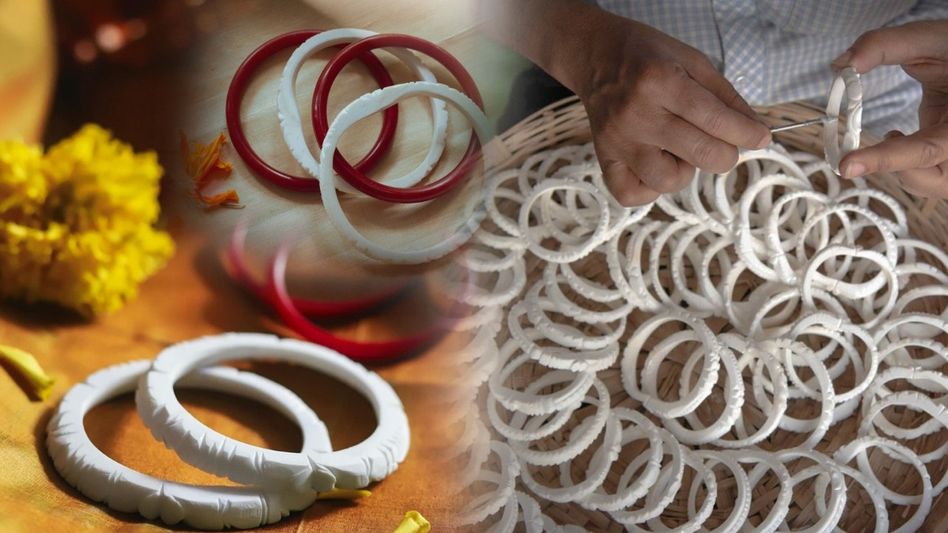
Red and white, the bangles that gracefully adorn every Bengali bride's wrists. In the quiet corners of Bengal's hinterlands, where conch shells sing, every Bengali bride's wrists whisper tales older than memories. These bangles are no ordinary ornaments; they symbolise marital bliss, a divine extension of tradition, and are worn by married Hindu Bengali women as a mark of their marital status. They tell the world that the bride wearing these bangles is married, blessed, and bound in the harmony of tradition.
Shakha Pola bangles are an integral part of Bengali wedding rituals. Traditionally, they are gifted to the bride by her elders or in-laws ahead of the wedding ceremonies. These white and red bangles embody purity, fertility, and the strength of the marital bond. Considered protective, they are believed to bring prosperity and ward off evil influences. Before the bride wears them, the Shakha and Pola are blessed by priests, marking them as sacred and deeply auspicious—making them far more than just adornments. Unlike the lustrous allure of gold and silver, the fragility of Shakha Pola speaks volumes. It's a reminder that marriage, like the shell and coral, must be handled with devotion and care, or it shatters under neglect.
History in every hue
The origin of Shakha Pola stretches deep into Bengal's cultural and spiritual soil and can be traced back to ancient traditions in Bengali Hindu culture, steeped in religious symbolism and regional artistry. These ornaments represent one of the oldest forms of cultural expression, rooted in customs and rituals that intertwine mythology, social practices, and marital rites. For generations, Bengali women have begun their marital journey with these sacred bangles. The Shakha is carved from the conch shell, linked to Lord Vishnu, representing purity and peace. The sound of the conch was believed to drive away evil spirits, and its use in bangles was seen as an extension of its protective power, symbolising an unbroken circle of sanctity. Its companion, the Pola, is made from crimson coral, representing a flame of love, vitality, and good fortune. They are worn together as they balance the calm and the passionate, the dream and the devotion.
The craft of faith
Over centuries, through the reigns of kings and the tides of colonisation, Shakha Pola survived not as fashion but as faith. The practice of carving conch shells into intricate designs found its home among the Bengali artisans of Murshidabad, Cuttack, and Kolkata. These artisans, known as 'Shankharis,' developed sophisticated methods of carving floral, geometrical, and mythological motifs on conch shells over time. The making of Shakha Pola remains a sacred and precise craft to this day; each conch shell and coral piece is cut, shaped, and polished to fit each bride's hands perfectly.
The colonial resonance
The traditional and delicate art of crafting Shakha Pola underwent a drastic transformation in the colonial period. The arrival of the British East India Company in the 18th century brought new cultural and economic dynamics. The company's focus on industrialisation and export disrupted the traditional production methods of the Shankharis. Artisans who once relied on the local trade of conch shells and coral faced declining patronage as cheap goods flooded the market. Faced with competition from industrially produced jewellery, Bengali artisans innovated by incorporating gold, silver, and enamel work. The sacred bangles, which were once made solely from coral and conch shells, transitioned from ritualistic sacred ornaments to decorative ones.
The eternal circle of motifs
Shakha Pola bangles often feature intricate motifs that reflect the artistic heritage of Bengal. Two commonly used motifs are floral and geometric designs. Floral designs often include patterns of lotus, jasmine, or other local flowers. Each intricate motif carries a different meaning. The lotus motif transcends mere decoration, representing purity, prosperity, and spiritual enlightenment, making it the most commonly used motif. The jasmine motif symbolises love, beauty, and femininity, aligning perfectly with the bangle's role as a marital ornament. The most used geometric motif is the swastika, which holds great symbolic essence in India's cultural and mythological heritage. The swastika motif serves as a symbol which, when encrusted upon an object, transforms it into a sacred entity, often symbolising good luck, well-being, and protection.
Cultural continuity: Shakha Pola in today's society
Among office corridors and coffee shops, fashion may have evolved, but traditions like Shakha Pola still glint on wrists that type on laptops or hold the steering wheel. These bangles remind Bengal's daughters of who they are—walking poems of heritage. Brides may blend them with gold or contemporary jewellery, yet their symbolic pulse remains unbroken. Despite modern techniques, traditional tools like saws, chisels, and grinding stones remain vital in making these sacred bangles. The delicate craft of Shakha Pola stands as a testament to the enduring skill and artistry of Bengali craftspeople.
Even today, many women continue the tradition of never removing Shakha-Pola bangles except upon widowhood, when they are broken only in mourning. Despite changing times, they remain, as they have always been—a symphony in red and white, resonating with love, faith, and the timeless rhythm of Bengali tradition.
MORE NEWS












Copyright©2026 Living Media India Limited. For reprint rights: Syndications Today
