Indigenous tattoo revivalist from Manipur wins national culture award
A Manipur tattoo revivalist has received a national culture award for preserving traditional tattoo art. This honour underscores the importance of safeguarding indigenous cultural heritage in India

- Dec 21, 2025,
- Updated Dec 21, 2025, 8:13 AM IST

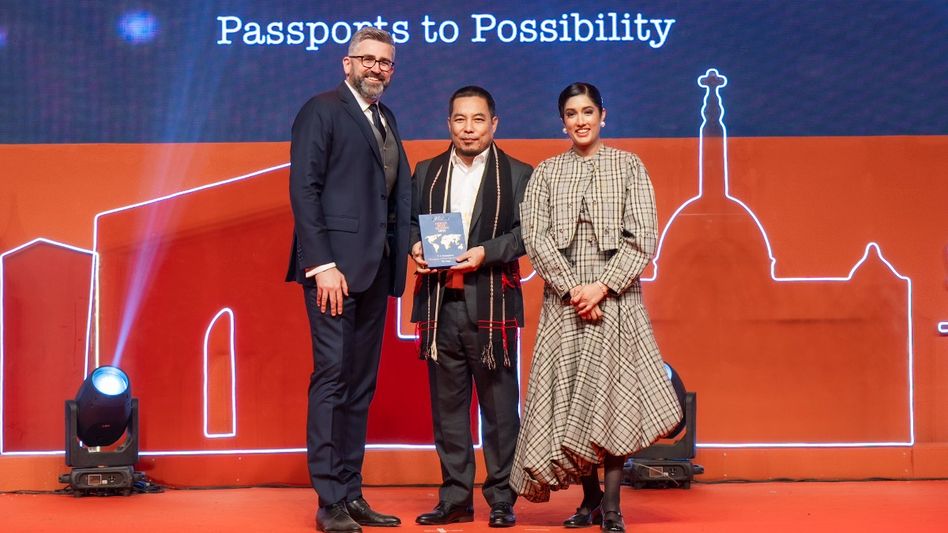
An indigenous artist from Manipur has received national recognition for safeguarding one of India’s most threatened cultural traditions. Moranngam Khaling, widely known as Mo Naga, was honoured with the Champion of Diversity & Culture Award at the 2025 Travel + Leisure India Best Awards, held in New Delhi.
The award acknowledges more than 15 years of work documenting and reviving traditional Naga tattoo practices, many of which were on the brink of disappearing. Khaling’s contribution has gone beyond tattooing as an art form, positioning it as a historical record of identity, ecology and community memory among Naga tribes of the Northeast.
Working through his practice, Headhunters Ink, Khaling began researching ancestral tattoo traditions in 2008, recording patterns, stories and meanings that were largely absent from written archives. Trained at the National Institute of Fashion Technology in Hyderabad, he has combined academic research with fieldwork, collaborating with elders, weavers, museums and cultural institutions to ensure the traditions are preserved with context and respect.
His work has since reached international audiences. Exhibitions and research presentations have been hosted by institutions in London, Berlin and Vancouver, bringing Naga tattoo heritage into global conversations on indigenous knowledge, cultural continuity and repatriation. His practice has also been recognised in major global publications on tattoo history.
The award jury cited Khaling’s work as an example of how indigenous traditions can remain relevant in contemporary culture without being diluted or commercialised. The recognition comes at a time when conversations around diversity often remain symbolic, while grassroots cultural preservation struggles for visibility.
Accepting the award, Khaling said the honour belonged to the elders who carried these traditions and to younger people in the Northeast now reclaiming their cultural heritage with research and pride. He described the recognition as encouragement to continue the work rather than a culmination.
Beyond his studio practice, Khaling has contributed as an educator and mentor, delivering lectures at universities and participating in international forums on indigenous aesthetics, design ethics and cultural sustainability. His collaborations have extended into cinema and national design projects, while remaining rooted in community narratives.
Khaling’s journey highlights a growing shift in how indigenous knowledge from India’s margins is being acknowledged — not as folklore, but as living cultural practice shaped by research, responsibility and long-term commitment.