Kuki CSO alleges ‘state bias’, questions airlifting of suspected attackers in Manipur violence
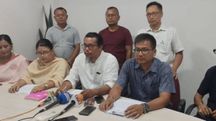
The Kuki Civil Society Organisation (CSO) Working Committee in Ukhrul has accused the Manipur government and the Centre of differential treatment in handling ongoing ethnic tensions, raising concerns over the reported airlifting of alleged attackers involved in the April 24 violence in Mulam village.

- Apr 26, 2026,
- Updated Apr 26, 2026, 5:51 PM IST

The Kuki Civil Society Organisation (CSO) Working Committee in Ukhrul has accused the Manipur government and the Centre of differential treatment in handling ongoing ethnic tensions, raising concerns over the reported airlifting of alleged attackers involved in the April 24 violence in Mulam village.
In a statement issued on Sunday, April 26, the committee alleged a “disturbing pattern of bias” against the Kuki community, particularly in Ukhrul district, and said state responses have failed to ensure equal protection under the law.
Referring to the Mulam incident, the committee claimed that two individuals, identified as Ramshang Kamodang and Shonshok Mahung, were involved in attacks on civilians and incidents of arson. It alleged that instead of being taken into custody, the accused were airlifted for medical treatment, raising questions over the use of state-linked infrastructure.
“The act of extending such facilities to alleged perpetrators, while victims continue to suffer, raises grave concerns about institutional neutrality,” the statement said. It added that evidence recovered from the site, including human remains, indicated the severity of the violence.
The committee further alleged that Kuki-inhabited areas have been subjected to heightened aerial monitoring during episodes of unrest, while adequate protection for civilians was lacking. It questioned the legal basis and uniform application of such measures across communities.
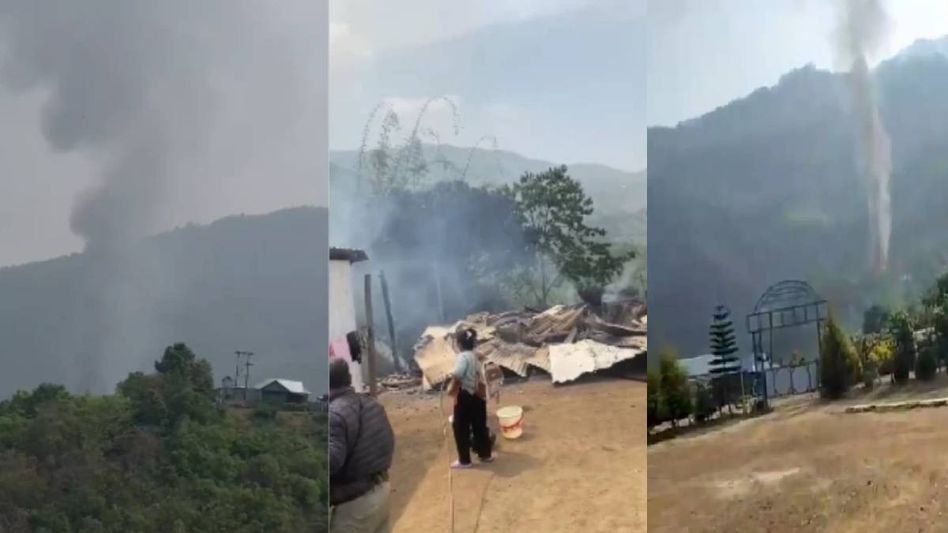
According to the committee, the April 24 violence in Mulam village left two civilians dead and nine others injured, including women and children. At least sixteen houses were reportedly destroyed in the incident.
Highlighting the prolonged unrest in the state, the committee said the Kuki community has faced sustained aggression, mischaracterisation, and neglect, with grievances remaining largely unaddressed. It warned that perceived disparities in state response have led to a deep erosion of trust and long-term trauma among affected populations.
“These actions raise fundamental concerns about whether the state has acted impartially or contributed to a perception of bias toward a politically stronger community,” the statement said.
The committee also questioned whether state resources, including security-linked helipads, were used in accordance with established legal standards and whether similar measures would be applied uniformly in comparable situations.
Reiterating its position, the Kuki CSO Working Committee stated that the community remains determined to defend its “lives, land, and dignity” despite ongoing challenges.